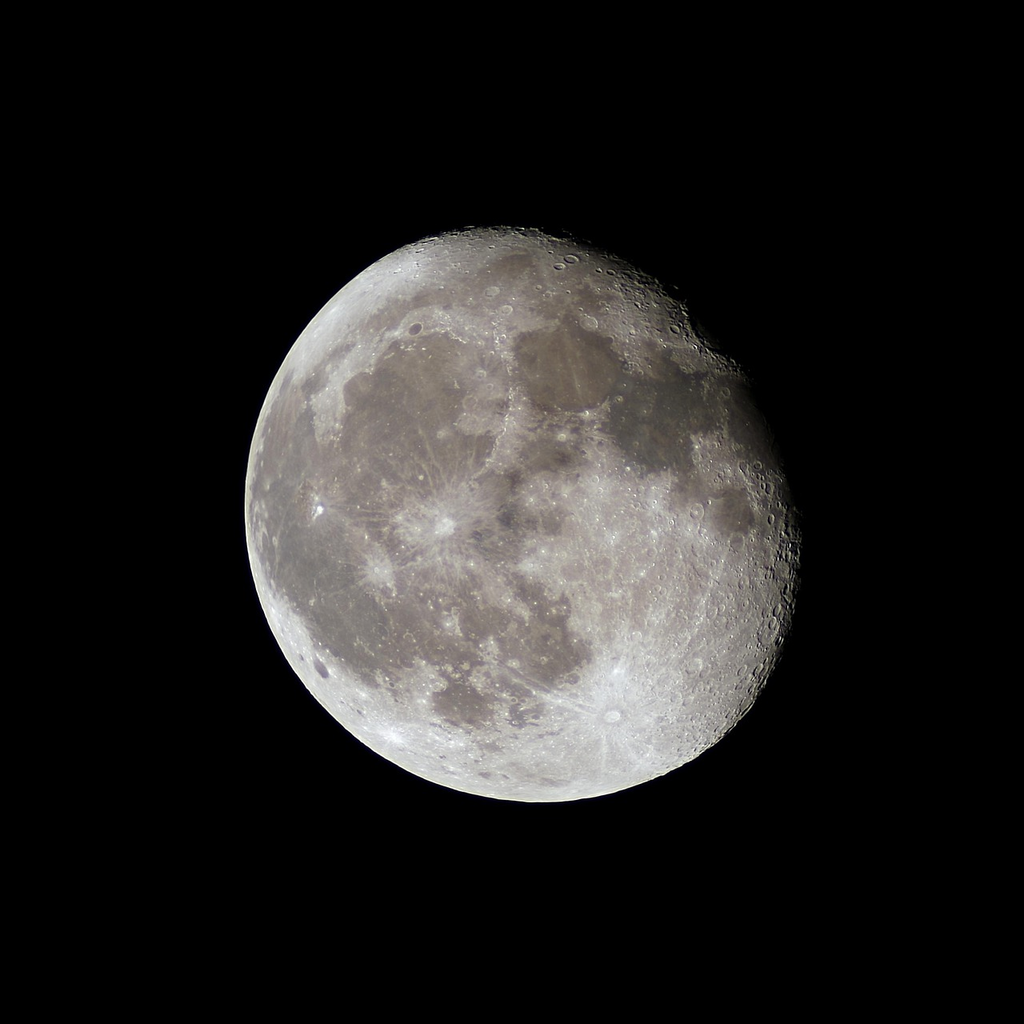
The phases of the Moon refer to the changing appearances of the Moon as seen from Earth, caused by its orbit around our planet and the varying angles of sunlight illuminating its surface. These phases include new moon, waxing crescent, first quarter, waxing gibbous, full moon, waning gibbous, last quarter, and waning crescent. This cycle repeats approximately every 29.5 days and is an important aspect of the lunar calendar in the solar system.
Phases of the Moon
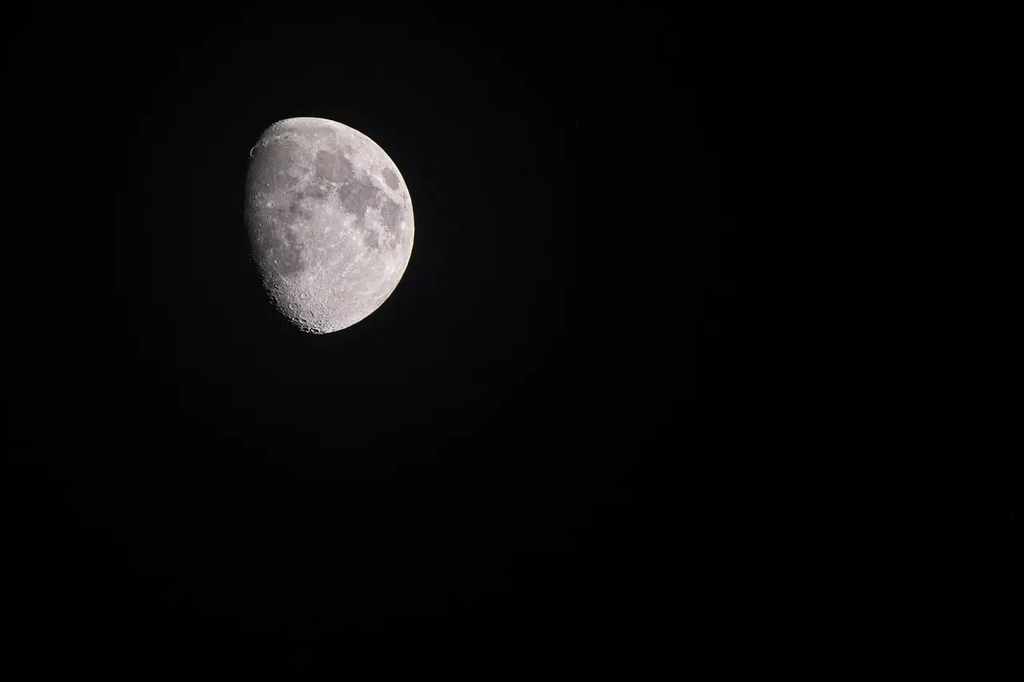
The phases of the Moon refer to the changing appearances of the Moon as seen from Earth, caused by its orbit around our planet and the varying angles of sunlight illuminating its surface. These phases include new moon, waxing crescent, first quarter, waxing gibbous, full moon, waning gibbous, last quarter, and waning crescent. This cycle repeats approximately every 29.5 days and is an important aspect of the lunar calendar in the solar system.
💡 Key Takeaways
- Identify the eight Moon phases and what each looks like.
- Learn the ~29.5-day cycle that causes waxing and waning.
- Distinguish waxing vs waning phases and the common phase names.
- See how Moon phases affect nighttime visibility and tides.
❓ Frequently Asked Questions
What causes the Moon phases?
The Moon orbits Earth and we see varying amounts of its sunlit side as its position relative to the Sun and Earth changes.
What is a New Moon?
A New Moon occurs when the Moon is between Earth and the Sun; the sunlit side faces away from us, so it is not visible.
What is a Full Moon?
A Full Moon happens when Earth is between the Sun and the Moon; the Moon's sunlit side faces Earth, making it appear fully illuminated.
What does waxing and waning mean?
Waxing means the illuminated portion is increasing (from New Moon toward Full Moon). Waning means it is decreasing (from Full Moon back toward New Moon).
How long is a complete Moon phase cycle?
About 29.5 days (the synodic month), from one New Moon to the next.