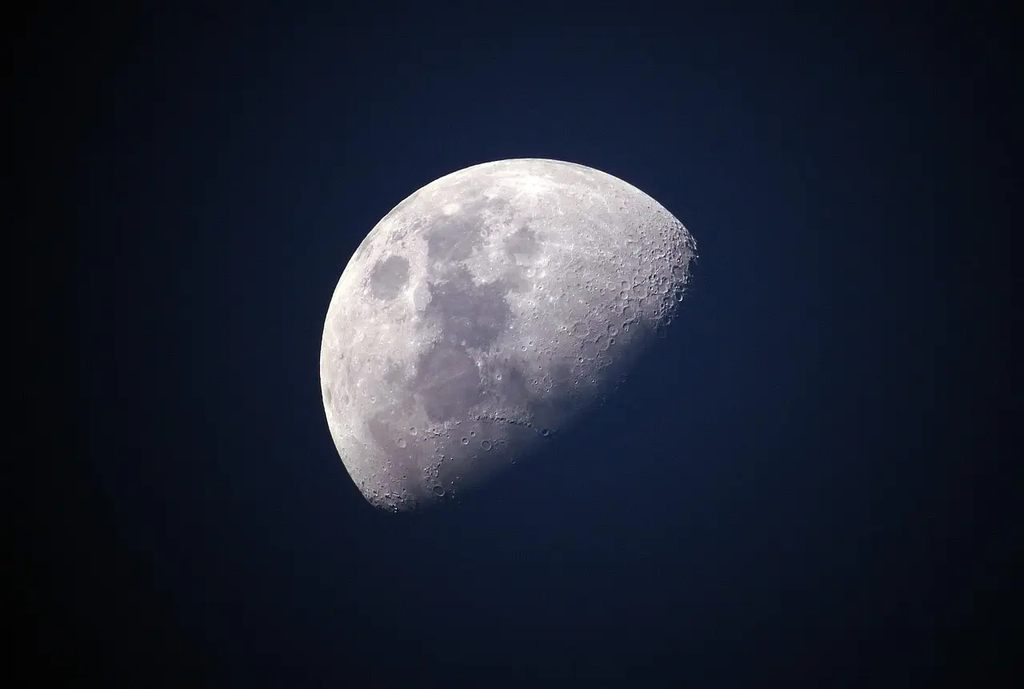
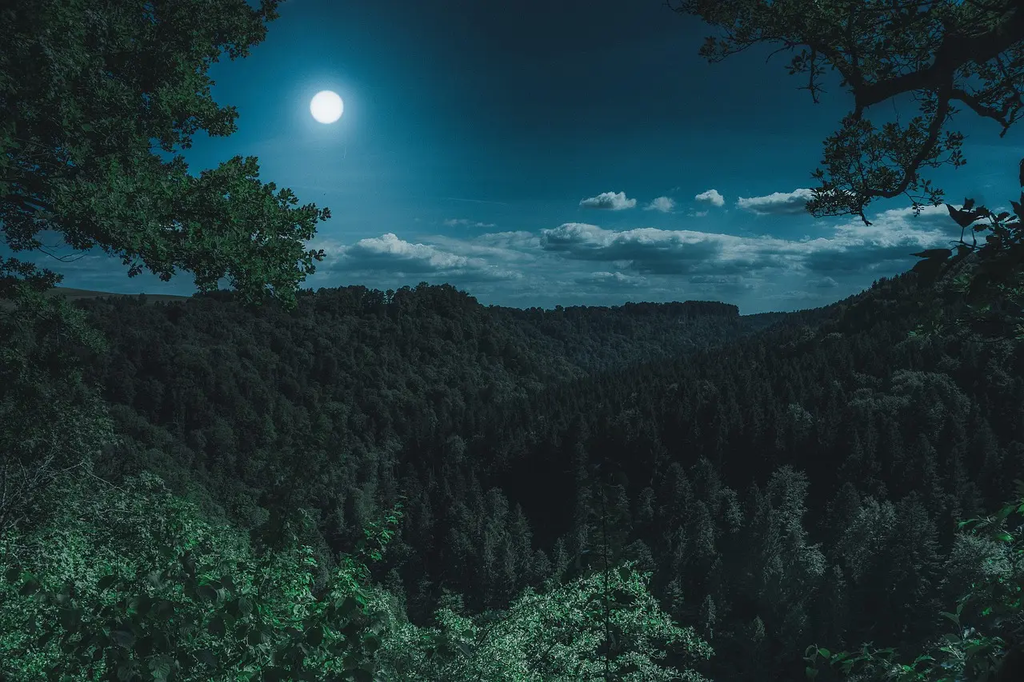
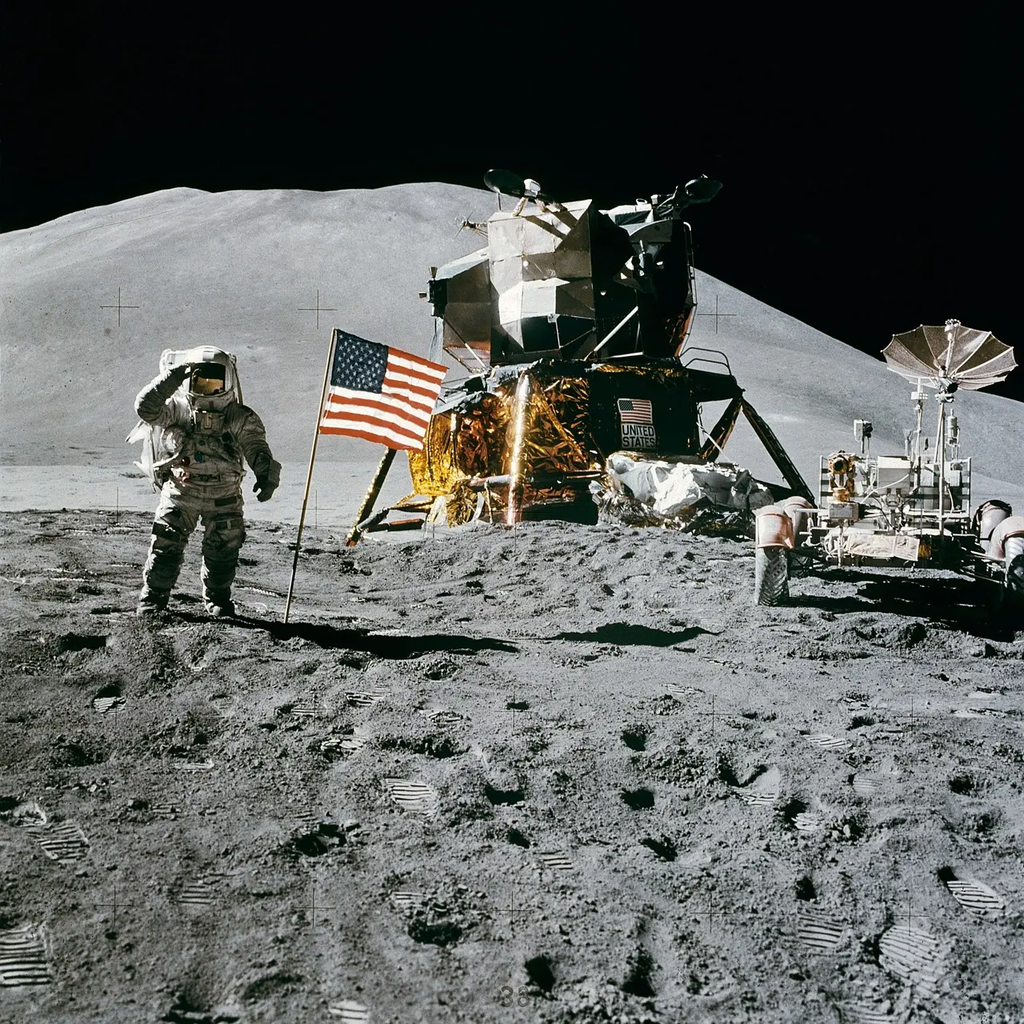
The phases of the Moon refer to the changing appearances of the Moon as seen from Earth, caused by its orbit around our planet. As the Moon moves, varying portions of its sunlit side become visible, creating phases such as new moon, crescent, first quarter, gibbous, and full moon. This cycle repeats every 29.5 days, influencing tides and many cultural events on Earth.
Phases of the Moon+50
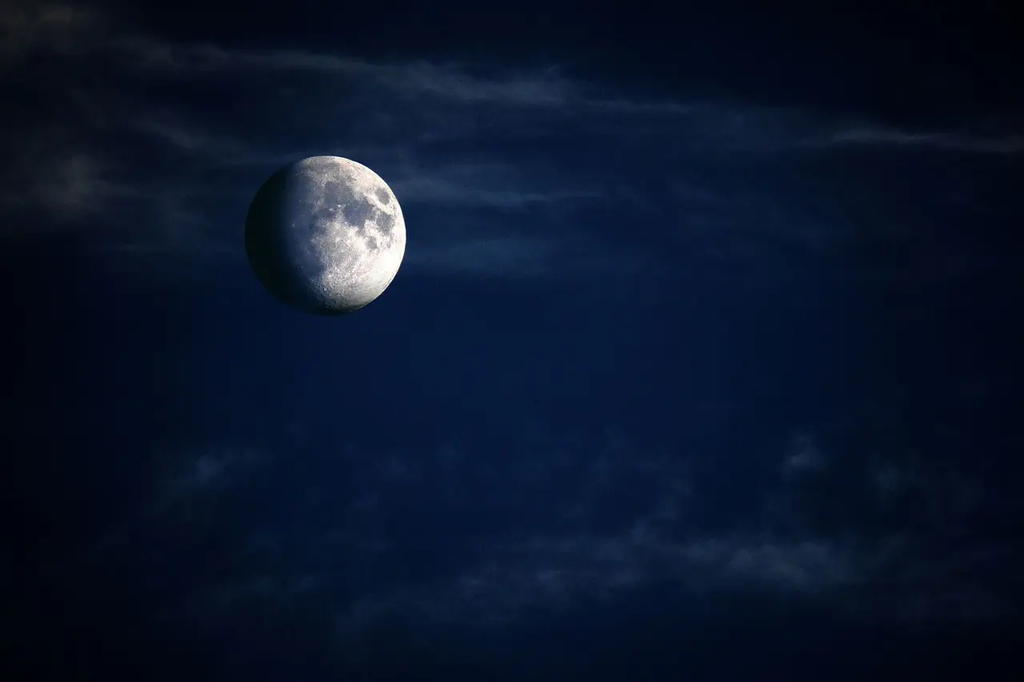
The phases of the Moon refer to the changing appearances of the Moon as seen from Earth, caused by its orbit around our planet. As the Moon moves, varying portions of its sunlit side become visible, creating phases such as new moon, crescent, first quarter, gibbous, and full moon. This cycle repeats every 29.5 days, influencing tides and many cultural events on Earth.
💡 Key Takeaways
- Identify the eight Moon phases in their correct order (new moon, waxing crescent, first quarter, waxing gibbous, full moon, waning gibbous, last quarter, waning crescent).
- Explain why the Moon's appearance changes over about a month.
- Distinguish between the major phases (new, quarters, full) and the intermediate crescent and gibbous phases.
- Describe how Moon phases affect tides and what you can observe in the night sky.
❓ Frequently Asked Questions
What causes the Moon phases?
The Moon orbits Earth and the Sun's light hits different parts of its near side, so we see varying fractions of the illuminated half.
What is a New Moon?
The Moon is between the Sun and Earth, so the side lit by the Sun faces away from us and appears dark.
What is a Full Moon?
The Sun fully illuminates the side facing Earth, making the Moon look completely bright.
How long does a lunar cycle take, and what do waxing/waning mean?
About 29.5 days. Waxing means the illuminated portion is growing; waning means it’s shrinking.