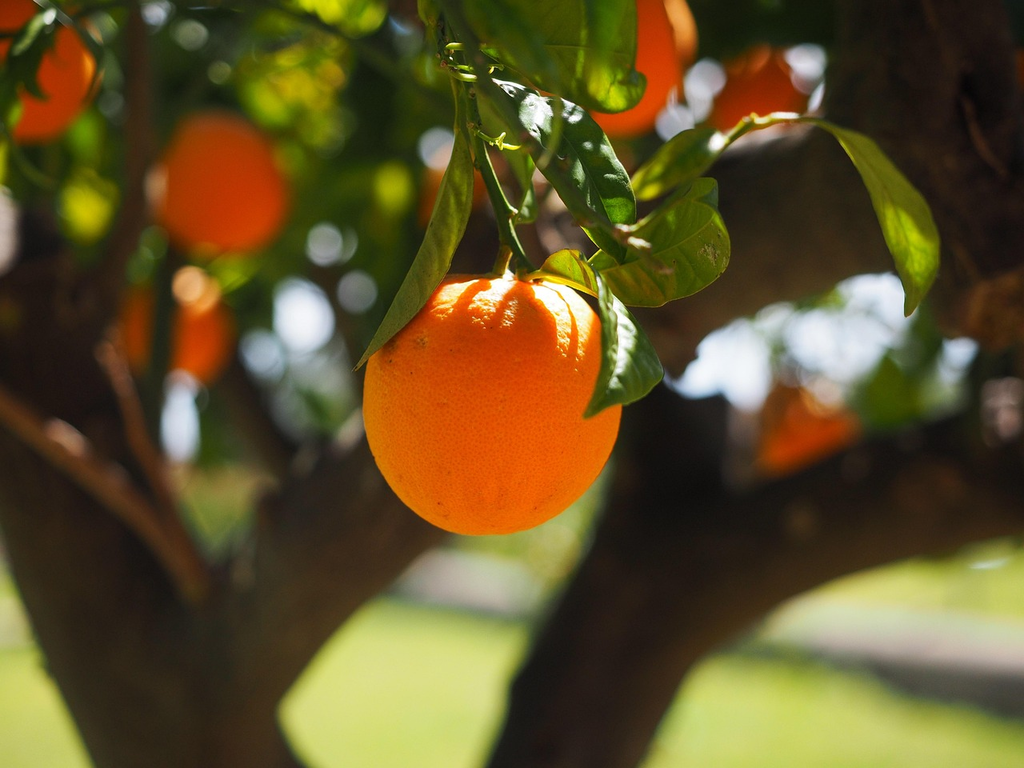
Philosophical perspectives on cherry consumption explore the act of eating cherries as more than mere nourishment, considering questions of pleasure, ethics, and meaning. Cherry consumption can symbolize the appreciation of fleeting beauty and the mindful enjoyment of simple experiences. Philosophers might debate the moral implications of fruit consumption or reflect on how savoring cherries connects us to nature, the seasons, and the interconnectedness of life, especially when contrasted with other fruits like oranges.
Philosophical Perspectives on Cherry Consumption
Philosophical perspectives on cherry consumption explore the act of eating cherries as more than mere nourishment, considering questions of pleasure, ethics, and meaning. Cherry consumption can symbolize the appreciation of fleeting beauty and the mindful enjoyment of simple experiences. Philosophers might debate the moral implications of fruit consumption or reflect on how savoring cherries connects us to nature, the seasons, and the interconnectedness of life, especially when contrasted with other fruits like oranges.

💡 Key Takeaways
- Explore how different philosophical traditions view cherry consumption, focusing on pleasure, restraint, and virtue.
- Compare ethical frameworks (utilitarianism, deontology, virtue ethics) in real-world cherry-eating scenarios.
- Examine the symbolism of cherries in art and philosophy—beauty, flavor, and the fleeting nature of desire.
- Discuss sustainability, fair-trade, and ecological considerations in cherry production and consumption.
❓ Frequently Asked Questions
What is the utilitarian view on cherry consumption?
Utilitarian ethics would weigh the overall happiness from eating cherries against any harms (to the tree, workers, or the environment) and favor choices that maximize net well‑being.
How does virtue ethics approach eating cherries?
Virtue ethics focuses on character; it encourages temperance and gratitude—savoring cherries in moderation and appreciating the source rather than indulging aimlessly.
What does phenomenology say about the experience of tasting a cherry?
Phenomenology emphasizes the first‑person experience—the texture, sweetness, aroma, and how the cherry is lived in the moment, not just its use or value.
How can culture influence cherry consumption?
Cultural meanings and rituals around cherries shape when, why, and how they are eaten, influencing preferences, symbolism, and social practices.