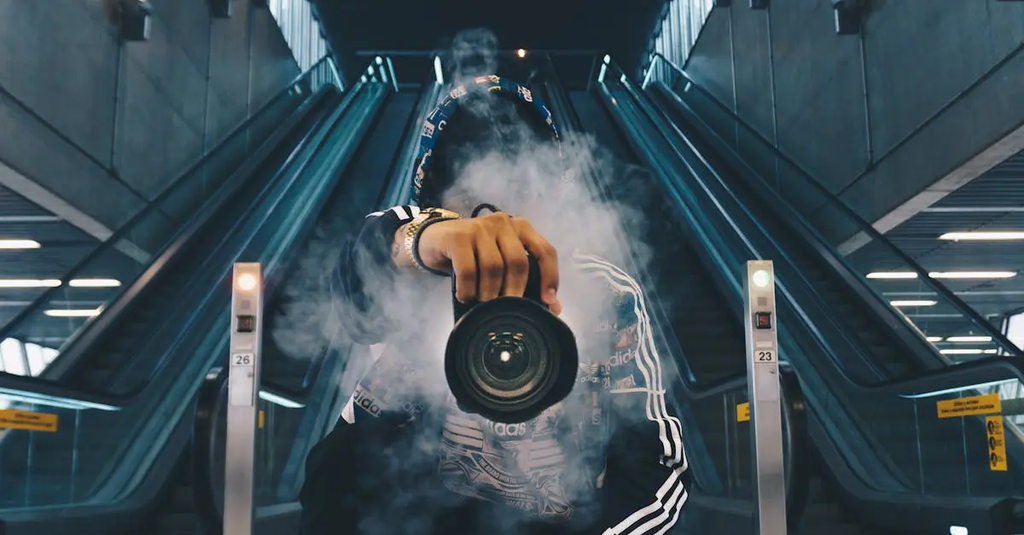
Photojournalism ethics and safety refer to the principles and practices that guide photojournalists in capturing and presenting truthful, respectful images while ensuring their own well-being and the dignity of subjects. Ethical photojournalists avoid manipulation, respect privacy, and seek informed consent whenever possible. Safety involves assessing risks in potentially dangerous environments, using protective equipment, and following protocols to minimize harm. Both ethics and safety are essential for maintaining public trust and responsible storytelling.
Photojournalism Ethics & Safety
Photojournalism ethics and safety refer to the principles and practices that guide photojournalists in capturing and presenting truthful, respectful images while ensuring their own well-being and the dignity of subjects. Ethical photojournalists avoid manipulation, respect privacy, and seek informed consent whenever possible. Safety involves assessing risks in potentially dangerous environments, using protective equipment, and following protocols to minimize harm. Both ethics and safety are essential for maintaining public trust and responsible storytelling.
💡 Key Takeaways
- Understand core ethics: truthful representation, no manipulation, and fair portrayal.
- Respect privacy and obtain informed consent when possible, especially for vulnerable groups.
- Prioritize safety: assess risk, follow safety protocols, and protect everyone involved.
- Verify facts and caption accurately; avoid misleading edits or sensationalized storytelling.
❓ Frequently Asked Questions
What is photojournalism ethics?
A set of principles guiding truthful, fair, and respectful reporting, including avoiding deception and misrepresentation.
How should photographers handle consent and privacy?
Seek informed consent where feasible, respect privacy and dignity, and avoid publishing exploitative or overly intrusive images.
What does avoiding manipulation mean in practice?
Do not alter images or captions to mislead; present images honestly with accurate context.
How can photographers stay safe on assignment?
Plan risk assessments, follow safety protocols, use protective gear, work with trusted partners, and know when to disengage.
Why are accuracy and context important in captions?
Captions should reflect the true situation and provide essential context to prevent misinterpretation.