Physical literacy, PE, and coordinated movement are essential components of child growth and development from birth to 10 years. Physical literacy involves developing the confidence, skills, and motivation to be active. Physical education (PE) provides structured opportunities for children to learn movement skills. Coordinated movement refers to the ability to control and synchronize body parts, supporting motor skill development, social interaction, and overall health during these formative years.
Physical literacy, PE, and coordinated movement
Physical literacy, PE, and coordinated movement are essential components of child growth and development from birth to 10 years. Physical literacy involves developing the confidence, skills, and motivation to be active. Physical education (PE) provides structured opportunities for children to learn movement skills. Coordinated movement refers to the ability to control and synchronize body parts, supporting motor skill development, social interaction, and overall health during these formative years.
💡 Key Takeaways
- Define physical literacy and explain its relevance to physical education and daily movement.
- Identify core components of coordinated movement and practical ways to develop them in PE.
- Explain how physical education supports lifelong participation in physical activity and overall well-being.
- Describe simple assessment and feedback approaches to track progress in movement skills.
❓ Frequently Asked Questions
What is physical literacy?
Physical literacy is the ongoing development of motivation, confidence, physical competence, knowledge, and understanding to value and participate in physical activities for life.
How is physical literacy different from PE?
Physical literacy is a lifelong attribute, while PE is the school subject that helps develop it through learning, practicing, and applying movement and activity.
What is coordinated movement?
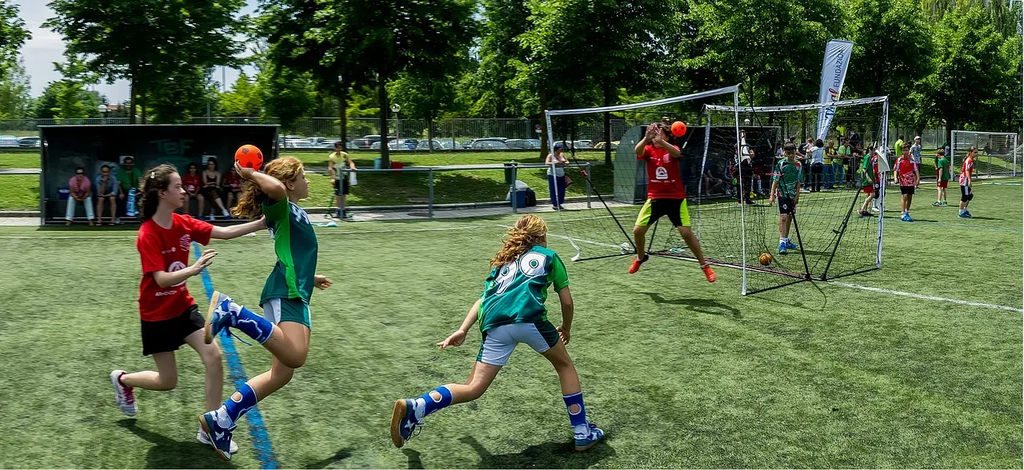
Coordinated movement is moving body parts together in a controlled, efficient way, requiring balance, timing, spatial awareness, and the integration of multiple skills.
What are foundational movement skills and how do they relate to physical literacy?
Foundational skills such as running, jumping, throwing, catching, and balancing build the building blocks for coordinated movement and support physical literacy by enabling confident participation in activities.
How can learners improve physical literacy and coordinated movement?
Engage in a variety of age-appropriate activities, focus on form, seek constructive feedback, ensure safety, and set achievable goals to build confidence and competence over time.