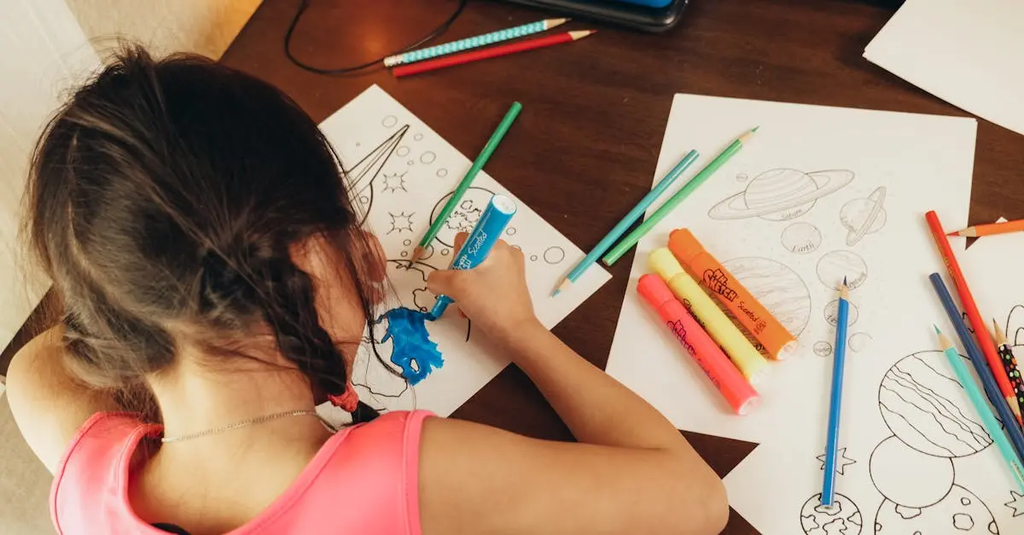
Physics in everyday life means understanding how things work around us, like why balls bounce, how swings move, or why we don’t float away from the ground. It explains things we see and use daily, such as how bicycles roll, why ice melts, or how light helps us see. Physics helps us solve problems, play safely, and enjoy the world by showing the rules that make everything happen.
Physics in Everyday Life (Kid-Friendly)
Physics in everyday life means understanding how things work around us, like why balls bounce, how swings move, or why we don’t float away from the ground. It explains things we see and use daily, such as how bicycles roll, why ice melts, or how light helps us see. Physics helps us solve problems, play safely, and enjoy the world by showing the rules that make everything happen.
💡 Key Takeaways
- Explain how forces (push/pull) and gravity make everyday objects move, stop, or bounce (e.g., balls and swings).
- See how rolling friction helps bikes roll smoothly and how brakes slow you down.
- Learn why temperature changes matter: ice melts and water changes state.
- Discover how light helps us see: how light travels, reflects, and creates shadows and colors.
❓ Frequently Asked Questions
What is physics in everyday life?
Physics explains how things move, push and pull, and how light, energy, and heat behave in the world around us.
Why do balls bounce?
When a ball hits the ground it squashes a bit and stores energy, then pushes back up to bounce.
How do swings move back and forth?
Swings act like a pendulum: gravity pulls them down, momentum carries them forward, and the ropes keep them moving while friction and air slow them.
How does light help us see?
Light bounces off objects into our eyes; our brain uses those signals to detect color and shape.
Why does ice melt?
Heat makes ice molecules move faster and break free from solid to liquid at the melting point.