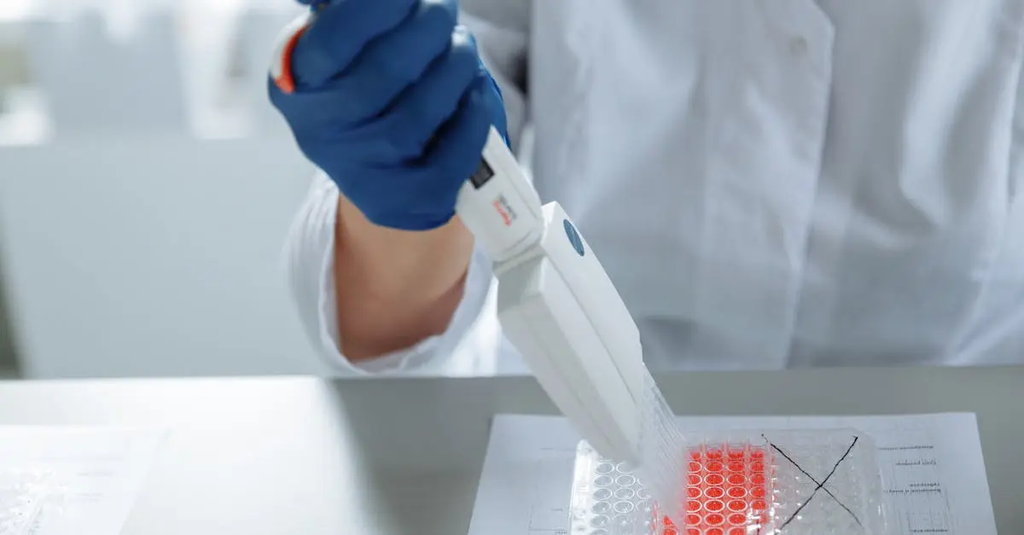
Physiology & Systems refers to the study of how living organisms function at various levels, from individual cells to entire organ systems. It explores the mechanisms that regulate bodily processes such as respiration, circulation, digestion, and reproduction. By understanding these interconnected systems, physiology provides insights into how organisms maintain homeostasis, respond to environmental changes, and support overall health and survival. This field forms the foundation for medical and biological sciences.
Physiology & Systems
Physiology & Systems refers to the study of how living organisms function at various levels, from individual cells to entire organ systems. It explores the mechanisms that regulate bodily processes such as respiration, circulation, digestion, and reproduction. By understanding these interconnected systems, physiology provides insights into how organisms maintain homeostasis, respond to environmental changes, and support overall health and survival. This field forms the foundation for medical and biological sciences.
💡 Key Takeaways
- Name the major physiological systems and summarize their primary roles.
- Explain how cells, tissues, and organs work together to maintain homeostasis.
- Describe how respiration, circulation, digestion, and reproduction are regulated.
- Understand how hormonal and neural feedback coordinate bodily processes and create system interdependence.
❓ Frequently Asked Questions
What is physiology?
Physiology is the study of how living organisms function, from cells to organ systems, including how processes are regulated and coordinated.
What are the major organ systems and their primary roles?
Major systems include circulatory (blood transport), respiratory (gas exchange), digestive (nutrient breakdown and absorption), nervous (control and coordination), endocrine (hormone regulation), urinary (water and electrolyte balance), reproductive (gamete production and hormones), musculoskeletal (movement and support), immune/lymphatic (defense), and integumentary (skin protection).
What is homeostasis?
Homeostasis is the body's tendency to maintain stable internal conditions (such as temperature, pH, and glucose levels) despite changes in the external environment.
What is negative feedback in physiology?
Negative feedback is a control mechanism that counteracts a deviation from a set point to restore balance.