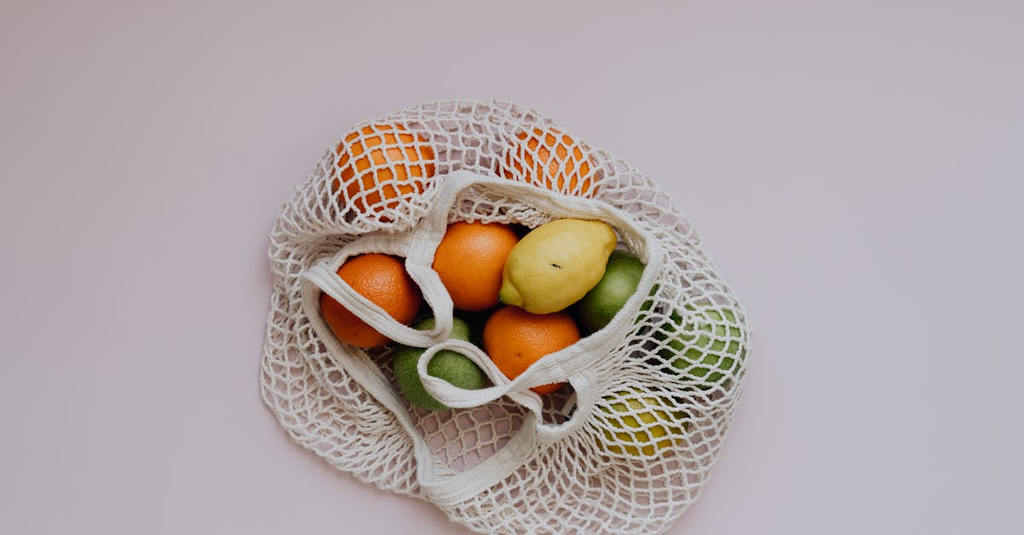
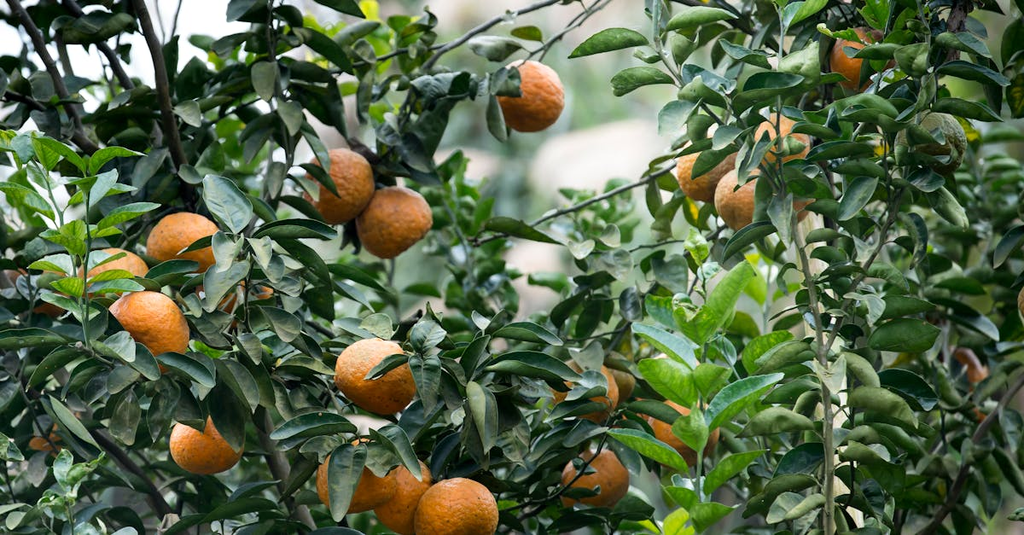
Cherries possess rich phytochemical properties, including high levels of anthocyanins, flavonoids, and phenolic acids, which contribute to their vibrant color and potent antioxidant activity. These compounds help reduce oxidative stress, inflammation, and may lower the risk of chronic diseases. Compared to oranges, which are abundant in vitamin C and hesperidin, cherries offer unique health benefits through their specific phytochemicals, supporting cardiovascular health and potentially aiding in muscle recovery.
Phytochemical Properties of Cherries
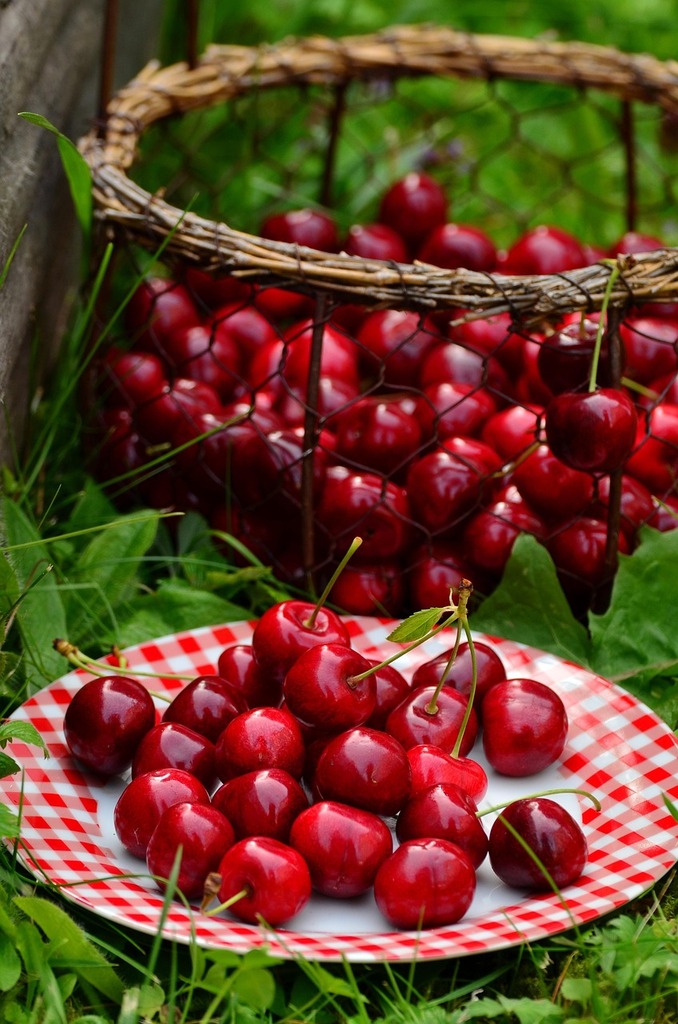
Cherries possess rich phytochemical properties, including high levels of anthocyanins, flavonoids, and phenolic acids, which contribute to their vibrant color and potent antioxidant activity. These compounds help reduce oxidative stress, inflammation, and may lower the risk of chronic diseases. Compared to oranges, which are abundant in vitamin C and hesperidin, cherries offer unique health benefits through their specific phytochemicals, supporting cardiovascular health and potentially aiding in muscle recovery.
💡 Key Takeaways
- Identify the main cherry phytochemicals (anthocyanins, flavonoids, and phenolic acids) and where they are most concentrated in the fruit.
- Explain how these compounds contribute to antioxidant activity and anti-inflammatory effects in the body.
- Compare the phytochemical content of sweet cherries and sour cherries and discuss factors that influence their levels (variety, ripeness, growing conditions).
- Describe how processing and storage (freezing, juicing, drying) can affect the stability and bioavailability of cherry phytochemicals.
❓ Frequently Asked Questions
What are the main phytochemicals found in cherries?
Cherries contain anthocyanins (red pigments like cyanidin-3-glucoside), flavonols such as quercetin, phenolic acids like chlorogenic acid, and proanthocyanidins, along with trace amounts of melatonin.
How do cherry phytochemicals affect health?
They act as antioxidants and anti-inflammatory agents, which may support heart health and joint comfort; some data suggest potential effects on uric acid levels, but more research is needed.
Do cherry varieties differ in phytochemical content?
Yes. Tart (sour) cherries typically have higher anthocyanin levels than sweet cherries, leading to deeper color and stronger antioxidant capacity.
Does processing or cooking affect cherry phytochemicals?
Yes. Heat, light, and long storage can degrade phenolics and anthocyanins, while freezing preserves most compounds; juicing preserves some antioxidants but reduces fiber and some polyphenols.