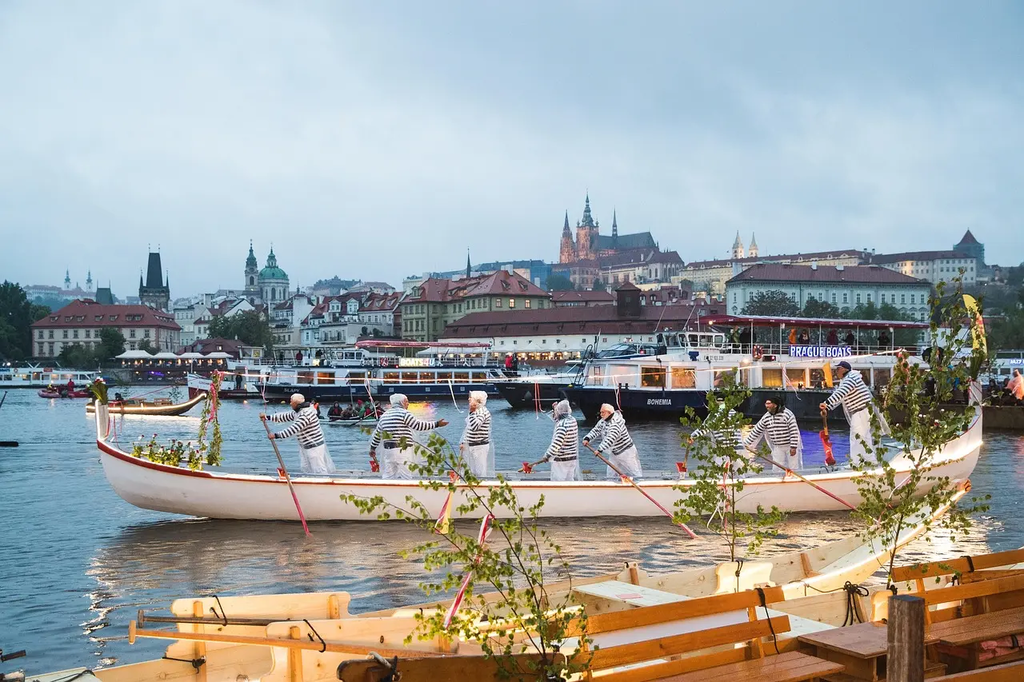
Pilgrimage festivals are religious or spiritual gatherings where devotees travel, often over long distances, to sacred sites or shrines. These festivals typically involve rituals, prayers, communal meals, and cultural celebrations. Participants seek spiritual merit, blessings, or fulfillment of vows. Pilgrimage festivals foster a sense of community, reinforce religious identity, and often coincide with significant dates in the religious calendar, drawing large crowds and creating vibrant, transformative experiences for attendees.
Pilgrimage Festivals
Pilgrimage festivals are religious or spiritual gatherings where devotees travel, often over long distances, to sacred sites or shrines. These festivals typically involve rituals, prayers, communal meals, and cultural celebrations. Participants seek spiritual merit, blessings, or fulfillment of vows. Pilgrimage festivals foster a sense of community, reinforce religious identity, and often coincide with significant dates in the religious calendar, drawing large crowds and creating vibrant, transformative experiences for attendees.
💡 Key Takeaways
- Understand the purposes of pilgrimage festivals and what devotees seek—spiritual merit, blessings, or vows.
- Identify common rituals and activities such as prayers, processions, and communal meals.
- Explore how traveling long distances and sacred sites shape personal devotion and community bonds.
- Identify cultural expressions like music, dance, attire, and rituals that accompany these festivals.
❓ Frequently Asked Questions
What is a pilgrimage festival?
A religious or spiritual gathering where devotees travel—often long distances—to sacred sites or shrines to seek blessings, merit, or vow fulfillment, usually featuring rituals, prayers, meals, and celebrations.
What activities are typical at pilgrimage festivals?
Rituals and prayers at sacred sites, processions, offerings, communal meals, songs or dances, storytelling, and acts of devotion or vows.
Can you name some well-known pilgrimage festivals and their destinations?
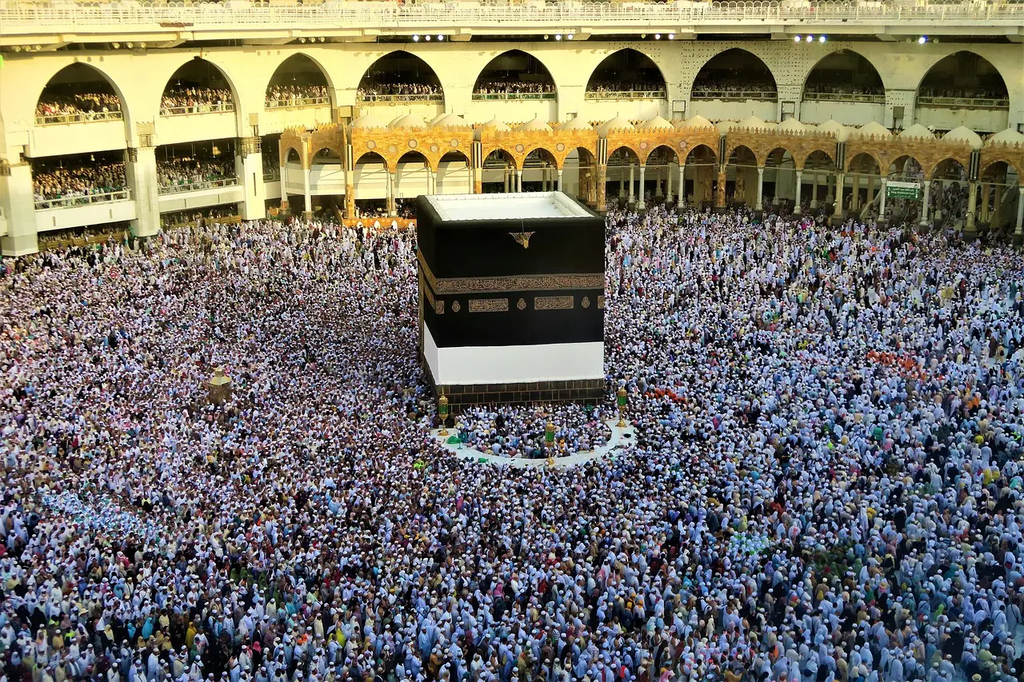
Examples include Hajj to Mecca (Islam); Kumbh Mela at sacred river sites in India; Lourdes pilgrimages in France (Christian); Camino de Santiago in Spain (Christian); Shikoku Pilgrimage in Japan (Buddhist).
Why do people undertake pilgrimage festivals?
To seek spiritual merit or blessings, seek forgiveness, fulfill vows, renew faith, or express gratitude, often tied to personal or communal religious goals.