Pipeline automation and CI/CD (Continuous Integration/Continuous Deployment) for games refers to the use of automated tools and processes to streamline game development workflows. This includes automatically building, testing, and deploying game builds whenever changes are made to the code or assets. It increases development efficiency, reduces human error, and enables rapid iteration by ensuring that every update is quickly integrated, tested, and delivered to testers or players in a consistent and reliable manner.
Pipeline Automation and CI/CD for Games
Pipeline automation and CI/CD (Continuous Integration/Continuous Deployment) for games refers to the use of automated tools and processes to streamline game development workflows. This includes automatically building, testing, and deploying game builds whenever changes are made to the code or assets. It increases development efficiency, reduces human error, and enables rapid iteration by ensuring that every update is quickly integrated, tested, and delivered to testers or players in a consistent and reliable manner.
💡 Key Takeaways
- Understand how pipeline automation triggers builds, tests, and deployments whenever code or assets change.
- Learn how CI/CD integrates with version control and asset pipelines to produce consistent, repeatable game builds.
- Explore automated testing strategies for games, including unit tests, integration tests, and automated playtests.
- Discover deployment strategies across platforms (PC, console, mobile) and how to manage artifacts, releases, and rollbacks.
❓ Frequently Asked Questions
What is CI/CD in the context of game development?
CI/CD stands for Continuous Integration and Continuous Deployment. It automatically builds, tests, and deploys game builds whenever code or asset changes, helping catch issues early and speed up releases.
What is pipeline automation?
Pipeline automation configures and runs the sequence of steps (build, test, package, deploy) automatically, reducing manual work and human error.
What are typical stages in a game CI/CD pipeline?
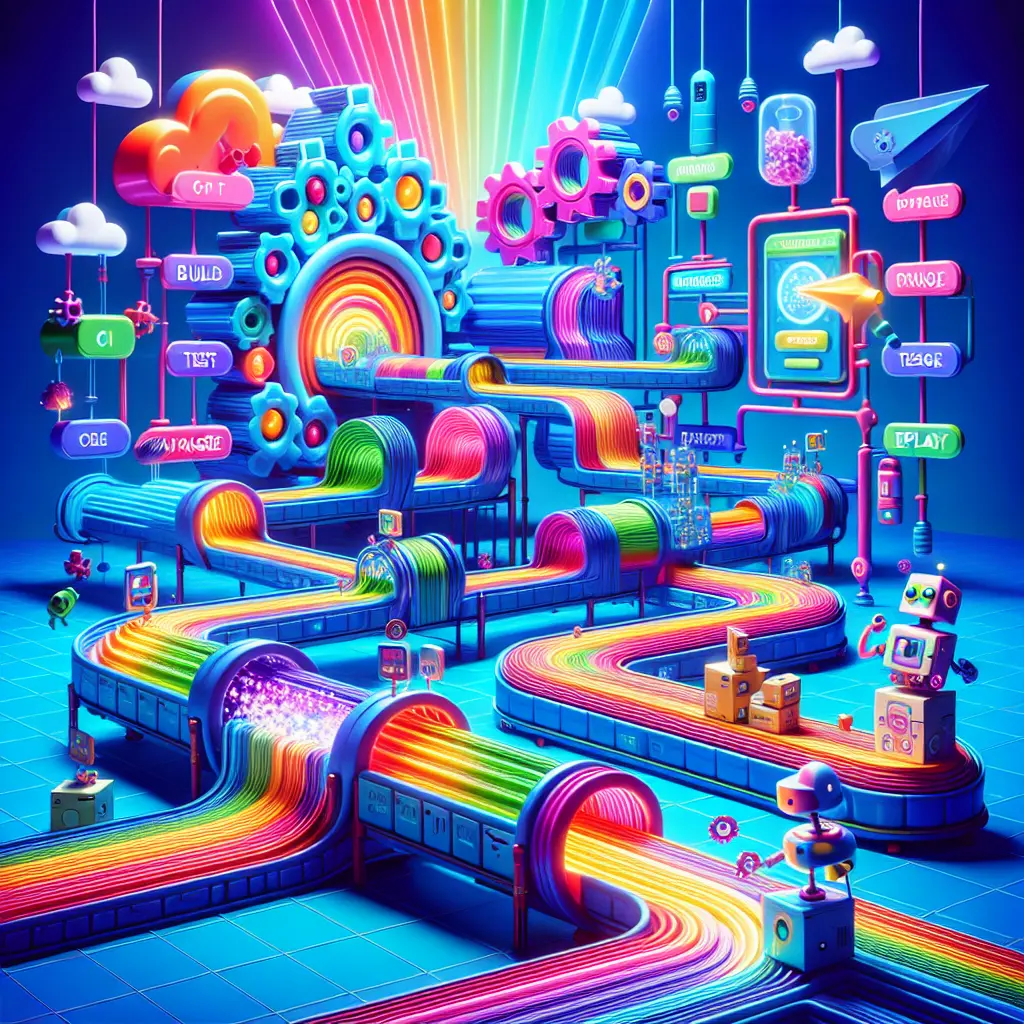
Trigger by changes, automated build, automated tests, packaging of artifacts, and deployment to test or release environments, with optional submission to distribution platforms.
Why is CI/CD important for games?
It helps catch integration issues early, ensures repeatable builds, and speeds up multi-platform releases with higher quality.
What common tools support game CI/CD?
Version control (e.g., Git), CI services (e.g., GitHub Actions, GitLab CI, Jenkins), and build pipelines for game engines (e.g., Unity, Unreal) plus artifact storage and deployment steps.