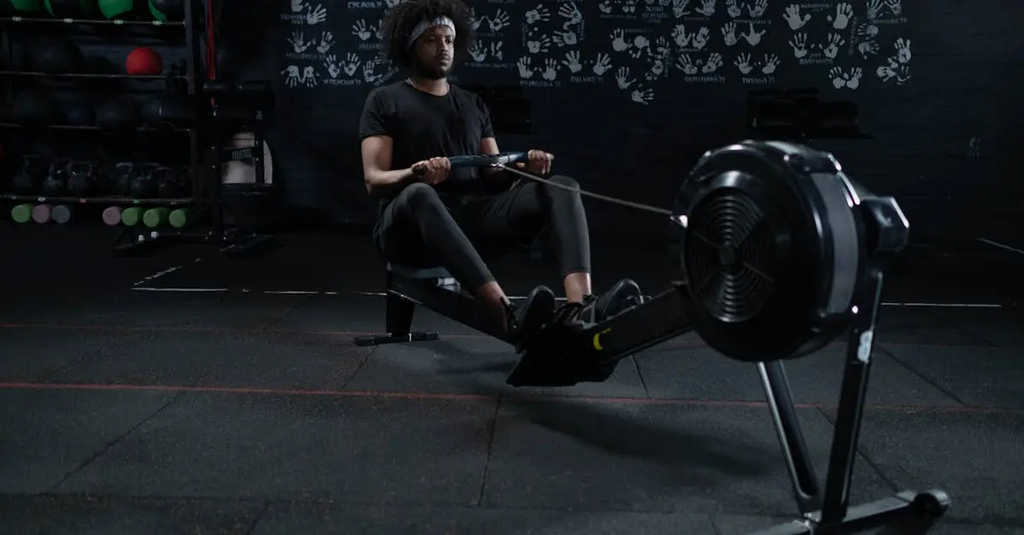
Planes of motion refer to the imaginary flat surfaces dividing the body, which guide movement directions: sagittal (forward/back), frontal (side-to-side), and transverse (rotational). Levers in the body involve bones acting as rigid bars, joints as fulcrums, and muscles providing force, enabling movement. Basic biomechanics studies these principles to understand how forces interact within the body, optimizing movement efficiency and reducing injury risk during physical activity.
Planes of Motion, Levers, and Basic Biomechanics
Planes of motion refer to the imaginary flat surfaces dividing the body, which guide movement directions: sagittal (forward/back), frontal (side-to-side), and transverse (rotational). Levers in the body involve bones acting as rigid bars, joints as fulcrums, and muscles providing force, enabling movement. Basic biomechanics studies these principles to understand how forces interact within the body, optimizing movement efficiency and reducing injury risk during physical activity.
💡 Key Takeaways
- Identify the three planes of motion (sagittal, frontal, transverse) and typical movements in each.
- Explain how the body uses lever systems—bones as bars, joints as fulcrums, and muscles as the force providers.
- Recognize how plane and lever concepts influence exercise technique, performance, and safety.
- Apply basic biomechanics to analyze common exercises and movement patterns.
❓ Frequently Asked Questions
What are the three planes of motion and what do they describe?
Sagittal plane divides the body into left and right; movements are flexion/extension (forward/back). Frontal (coronal) plane divides into front and back; movements are abduction/adduction and lateral movements. Transverse plane divides into top and bottom; movements are rotation and horizontal movements (e.g., trunk rotation, forearm rotation).
How do bones, joints, and muscles form a lever system in the body?
Bones act as lever arms, joints serve as fulcrums, and muscles provide the force (effort) to move a load (resistance) at the lever's end.
What are the three lever classes in the human body and where are they seen?
First-class lever: fulcrum between effort and load (e.g., head nod at the neck). Second-class lever: load between fulcrum and effort (e.g., rising onto tiptoes). Third-class lever: effort between fulcrum and load (e.g., biceps curl).
How can understanding planes of motion and levers improve your workouts?
It helps you choose exercises that move through the desired plane, optimize leverage for targeted muscles, improve technique, and reduce injury risk.