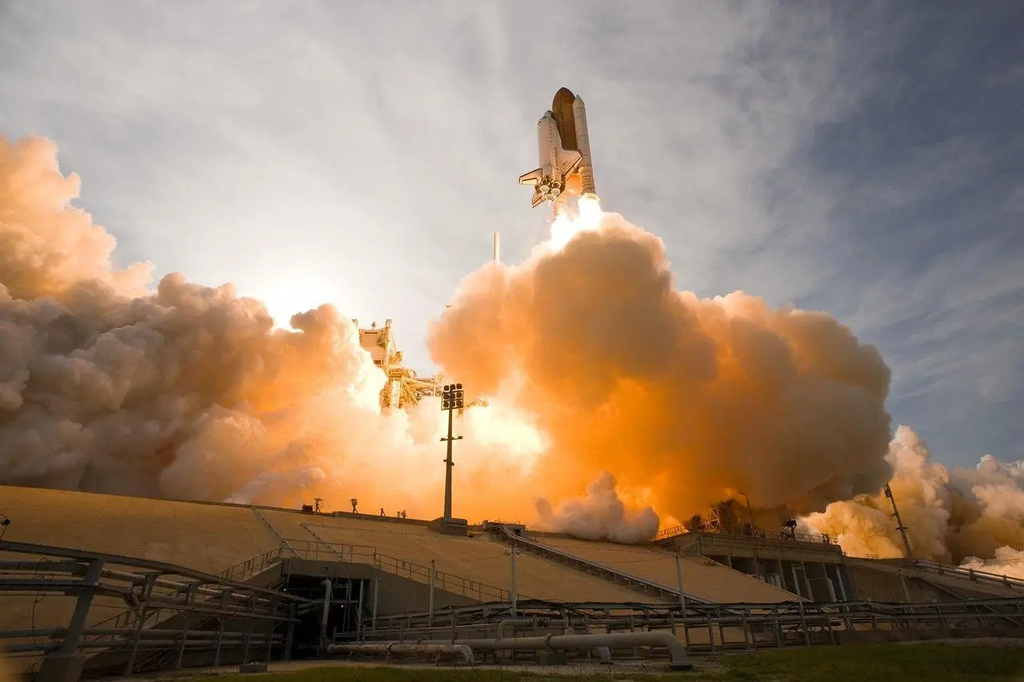
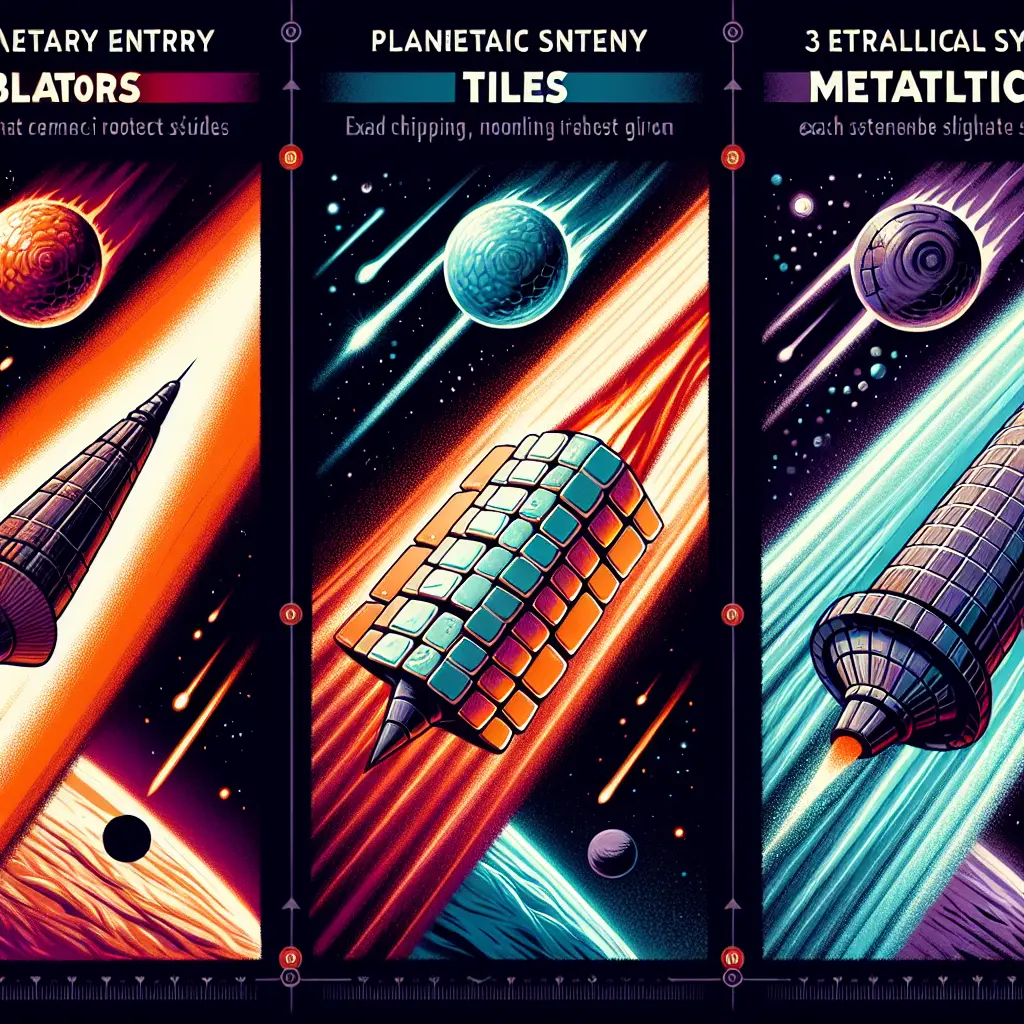
Planetary entry Thermal Protection Systems (TPS) shield spacecraft from intense heat during atmospheric entry. Ablators absorb and dissipate heat by charring and eroding, making them ideal for single-use missions. Tile-based TPS, like those on the Space Shuttle, are reusable ceramic blocks that insulate against heat but require careful maintenance. Metallic TPS uses heat-resistant metals, offering durability and ease of inspection, but can be heavier and less insulating than other options. Each type balances reusability, weight, and thermal performance.
Planetary Entry TPS: Ablators vs. Tiles vs. Metallic TPS
Planetary entry Thermal Protection Systems (TPS) shield spacecraft from intense heat during atmospheric entry. Ablators absorb and dissipate heat by charring and eroding, making them ideal for single-use missions. Tile-based TPS, like those on the Space Shuttle, are reusable ceramic blocks that insulate against heat but require careful maintenance. Metallic TPS uses heat-resistant metals, offering durability and ease of inspection, but can be heavier and less insulating than other options. Each type balances reusability, weight, and thermal performance.
💡 Key Takeaways
- Understand how TPS protects spacecraft from the extreme heat of planetary entry and why heat flux is a design constraint.
- Explain how ablative TPS absorbs heat through charring and erosion, making it suitable for single-use missions.
- Describe tile-based TPS (like Space Shuttle tiles): reusable ceramic tiles that insulate, with maintenance and gap-management considerations.
- Compare ablative, tile-based, and metallic TPS: trade-offs in reusability, mass, heat tolerance, and mission suitability.
❓ Frequently Asked Questions
What is a Thermal Protection System (TPS) and why is it needed during planetary entry?
TPS shields spacecraft from the extreme heat and pressure of atmospheric entry by insulating, reflecting heat, or absorbing and dissipating heat so the structure and occupants stay safe.
How do ablative TPS work, and when are they used?
Ablative TPS absorbs heat by undergoing controlled decomposition and charring, causing the surface to erode and carry heat away. This is ideal for single-use capsules with very high peak heating.
What are tile-based TPS and what are their advantages and drawbacks?
Tile-based TPS uses reusable ceramic blocks that insulate the vehicle. They offer good insulation and reuse but are brittle, heavy, and require careful inspection and maintenance to prevent gaps or damage.
What is metallic TPS and how does it differ from ablators or tiles?
Metallic TPS uses high-temperature metal alloys (often with coatings or cooling features) to survive reentry. They can be robust and potentially reusable, but add weight and can be more complex to manufacture and protect from oxidation.