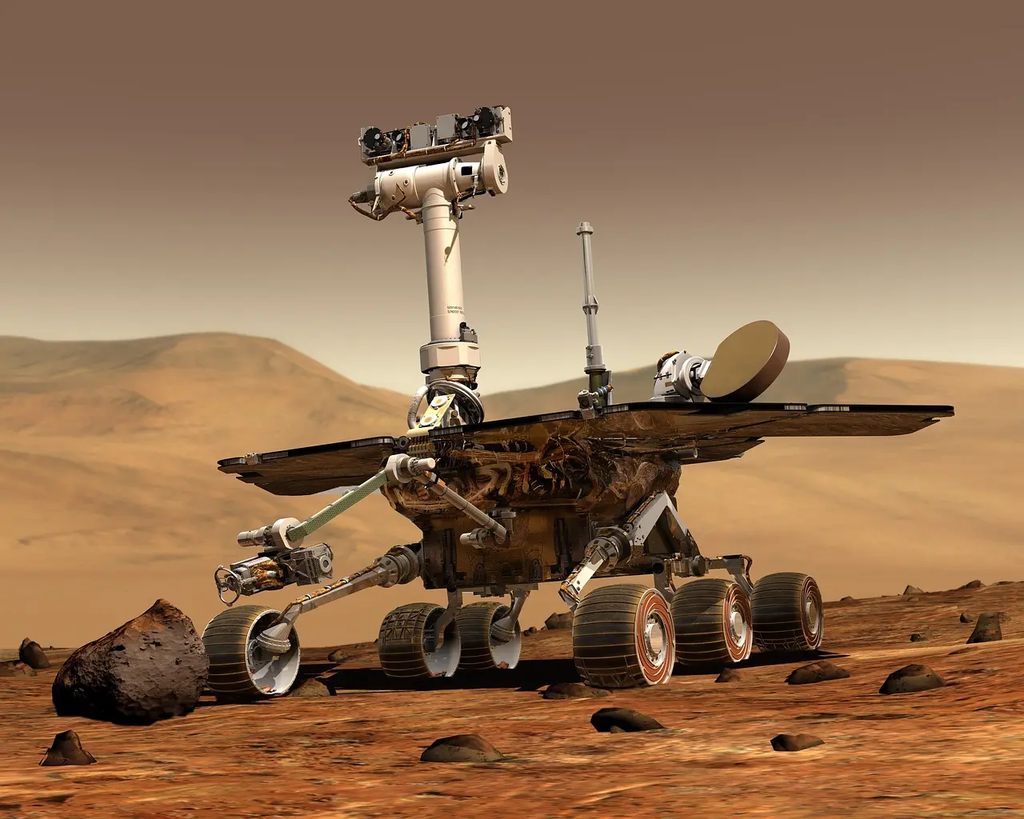
Planetary rovers are robotic vehicles designed to explore the surface of planets and other celestial bodies. Equipped with scientific instruments, cameras, and mobility systems, they gather data about terrain, atmosphere, and geology. Operated remotely or autonomously, rovers transmit valuable information back to Earth, aiding in the search for signs of life and understanding planetary environments. Notable examples include NASA’s Mars rovers, which have revolutionized our knowledge of the Red Planet.
Planetary Rovers
Planetary rovers are robotic vehicles designed to explore the surface of planets and other celestial bodies. Equipped with scientific instruments, cameras, and mobility systems, they gather data about terrain, atmosphere, and geology. Operated remotely or autonomously, rovers transmit valuable information back to Earth, aiding in the search for signs of life and understanding planetary environments. Notable examples include NASA’s Mars rovers, which have revolutionized our knowledge of the Red Planet.
💡 Key Takeaways
- Understand the mission goals of planetary rovers in space exploration.
- Identify the rover's core subsystems: mobility, power, navigation, and science payloads.
- Learn how rovers study terrain, atmosphere, and geology using onboard instruments and cameras.
- Explain the difference between remote operation and autonomous navigation and how latency influences control and decisions.
- Recognize design challenges and real-world examples of planetary rovers.
❓ Frequently Asked Questions
What is a planetary rover?
A robotic vehicle designed to explore the surfaces of planets, moons, and other bodies, equipped with cameras, scientific instruments, and mobility systems, and operated remotely or autonomously to study terrain and geology.
What are the main components of a rover?
Mobility system (wheels/legs), power source (solar panels or RTGs), onboard computer and sensors, scientific instruments, cameras, and a communication system to send data back to Earth.
How do rovers move and navigate across rough terrain?
They use wheels or other mobility mechanisms with suspension for stability, combined with autonomous navigation and hazard avoidance, while mission planners guide routes and manage energy use.
How do rovers collect and transmit data?
Onboard instruments analyze samples, atmosphere, and radiation; data is stored locally and transmitted to Earth via antennas and relay spacecraft, often with data prioritization and compression.