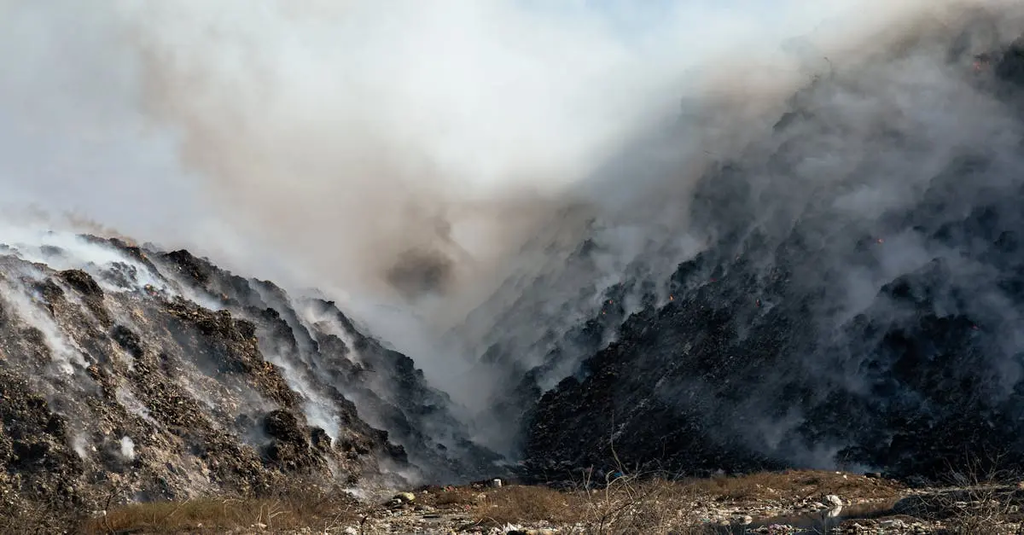
Planetary-scale restoration and rewilding refer to ambitious global efforts aimed at repairing and revitalizing degraded ecosystems across continents and oceans. This approach involves restoring natural habitats, reintroducing native species, and allowing ecological processes to recover, thereby enhancing biodiversity, mitigating climate change, and supporting ecosystem services. The goal is to create resilient, self-sustaining environments that benefit both nature and humanity on a worldwide scale.
Planetary-Scale Restoration and Rewilding
Planetary-scale restoration and rewilding refer to ambitious global efforts aimed at repairing and revitalizing degraded ecosystems across continents and oceans. This approach involves restoring natural habitats, reintroducing native species, and allowing ecological processes to recover, thereby enhancing biodiversity, mitigating climate change, and supporting ecosystem services. The goal is to create resilient, self-sustaining environments that benefit both nature and humanity on a worldwide scale.
💡 Key Takeaways
- Define planetary-scale restoration and rewilding and why these efforts target ecosystems across continents and oceans.
- Identify the core actions involved: restoring habitats, reintroducing native species, and allowing ecological processes to recover.
- Understand the importance of landscape-scale planning, connectivity, and long-term stewardship to achieve global ecological recovery.
- Explore the benefits to biodiversity, ecosystem services, climate regulation, and resilience against environmental shocks.
- Acknowledge the challenges and considerations, including governance, funding, social trade-offs, Indigenous rights, and monitoring progress.
❓ Frequently Asked Questions
What is planetary-scale restoration and rewilding?
Large-scale efforts to repair degraded ecosystems across continents and oceans by restoring habitats, reconnecting landscapes, reintroducing native species, and allowing natural ecological processes to recover.
How does rewilding differ from traditional restoration or conservation?
Rewilding focuses on restoring self-sustaining ecosystems with minimal ongoing intervention, often including native species reintroductions and restoring natural processes, whereas traditional restoration may target specific areas with more hands-on management.
Why is planetary-scale restoration important for climate, biodiversity, and people?
It enhances biodiversity, supports climate resilience and carbon storage, and provides ecosystem services like clean air, water, flood regulation, and livelihoods for communities.
What are common challenges or considerations for these efforts?
Scale and funding, governance and policy support, land and rights considerations, potential conflicts with local needs, and the complexity of monitoring ecological recovery.