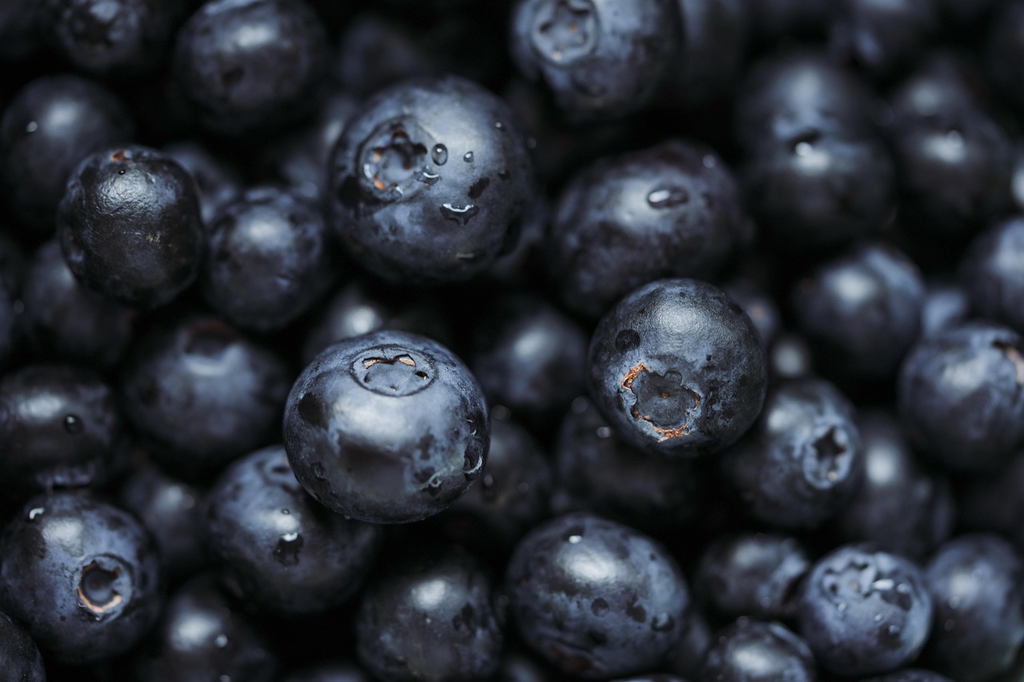
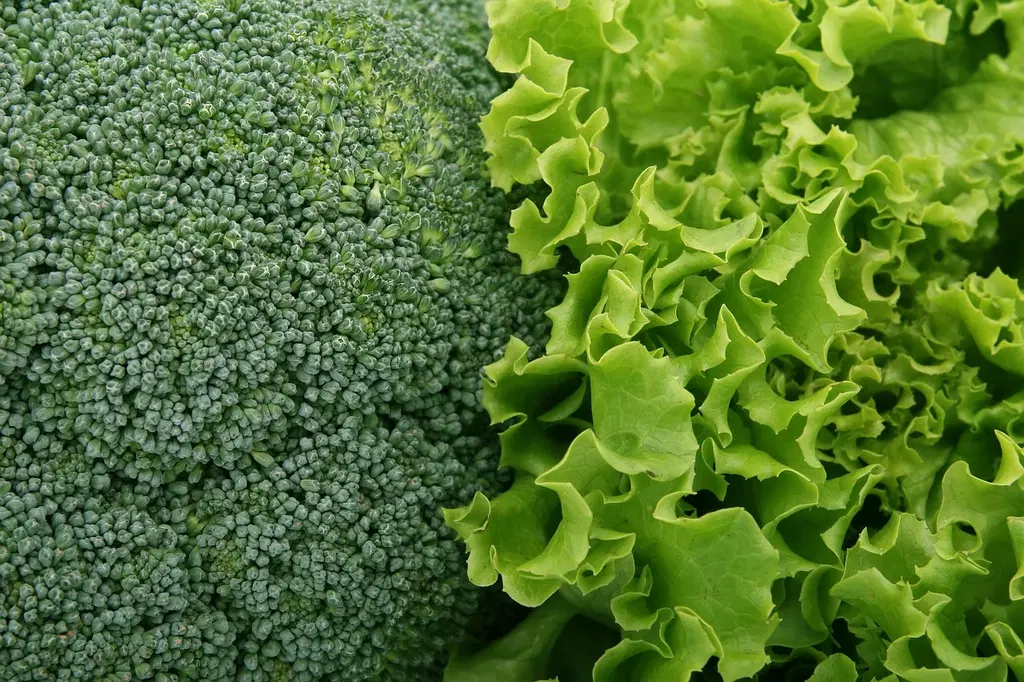
Plant-based diets focus on consuming mostly or entirely foods derived from plants, such as vegetables, fruits, grains, legumes, nuts, and seeds. Adopting healthy habits within this diet includes choosing whole, minimally processed foods and ensuring balanced nutrition. Superfoods like kale, quinoa, berries, and chia seeds are often incorporated for their high nutrient content. These diets are associated with numerous health benefits, including improved heart health, better weight management, and reduced risk of chronic diseases.
Plant-Based Diets
Plant-based diets focus on consuming mostly or entirely foods derived from plants, such as vegetables, fruits, grains, legumes, nuts, and seeds. Adopting healthy habits within this diet includes choosing whole, minimally processed foods and ensuring balanced nutrition. Superfoods like kale, quinoa, berries, and chia seeds are often incorporated for their high nutrient content. These diets are associated with numerous health benefits, including improved heart health, better weight management, and reduced risk of chronic diseases.

💡 Key Takeaways
- Understand what a plant-based diet includes and its common forms (vegan, vegetarian, flexitarian)
- Identify plant protein sources and how to meet daily protein needs
- Learn key nutrients for plant-based diets (B12, iron, calcium, omega-3) and how to optimize absorption
- Get practical tips for grocery shopping, meal planning, and label-reading for healthy meals
❓ Frequently Asked Questions
What is a plant-based diet?
A plant-based diet centers on foods from plants—fruits, vegetables, grains, legumes, nuts, and seeds—while limiting or excluding animal products. It emphasizes whole, minimally processed plant foods for health and sustainability.
What is the difference between plant-based, vegetarian, and vegan diets?
Plant-based emphasizes plants but may include small amounts of animal products. Vegetarian excludes meat; many vegetarians eat dairy and eggs. Vegan avoids all animal products. People choose plant-based for health, environment, or ethics.
Which nutrients should I monitor on a plant-based diet?
Key nutrients to watch: protein, iron, calcium, vitamin B12, iodine, vitamin D, and omega-3s. Include diverse plant proteins, fortified foods, and consider supplements as advised by a clinician.
Can a plant-based diet support athletic performance?
Yes. A well-planned plant-based diet can meet protein and energy needs for exercise through a variety of sources like beans, lentils, tofu, tempeh, seitan, nuts, and whole grains; timing around workouts can help recovery.