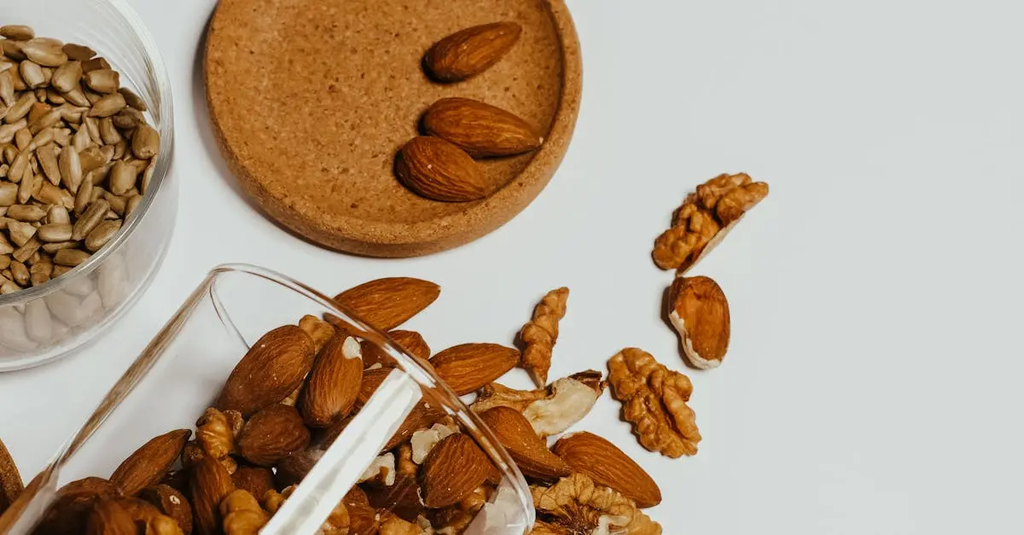
Plant-based diets focus on foods derived from plants, including vegetables, fruits, grains, nuts, and legumes, while minimizing or eliminating animal products. Vegetarian diets exclude meat, poultry, and fish but may include dairy and eggs. Vegan diets are more restrictive, avoiding all animal-derived products. Both approaches emphasize nutrient-rich, fiber-filled foods that can support health, lower disease risk, and align with ethical or environmental values.
Plant-Based Diets: Vegetarian & Vegan
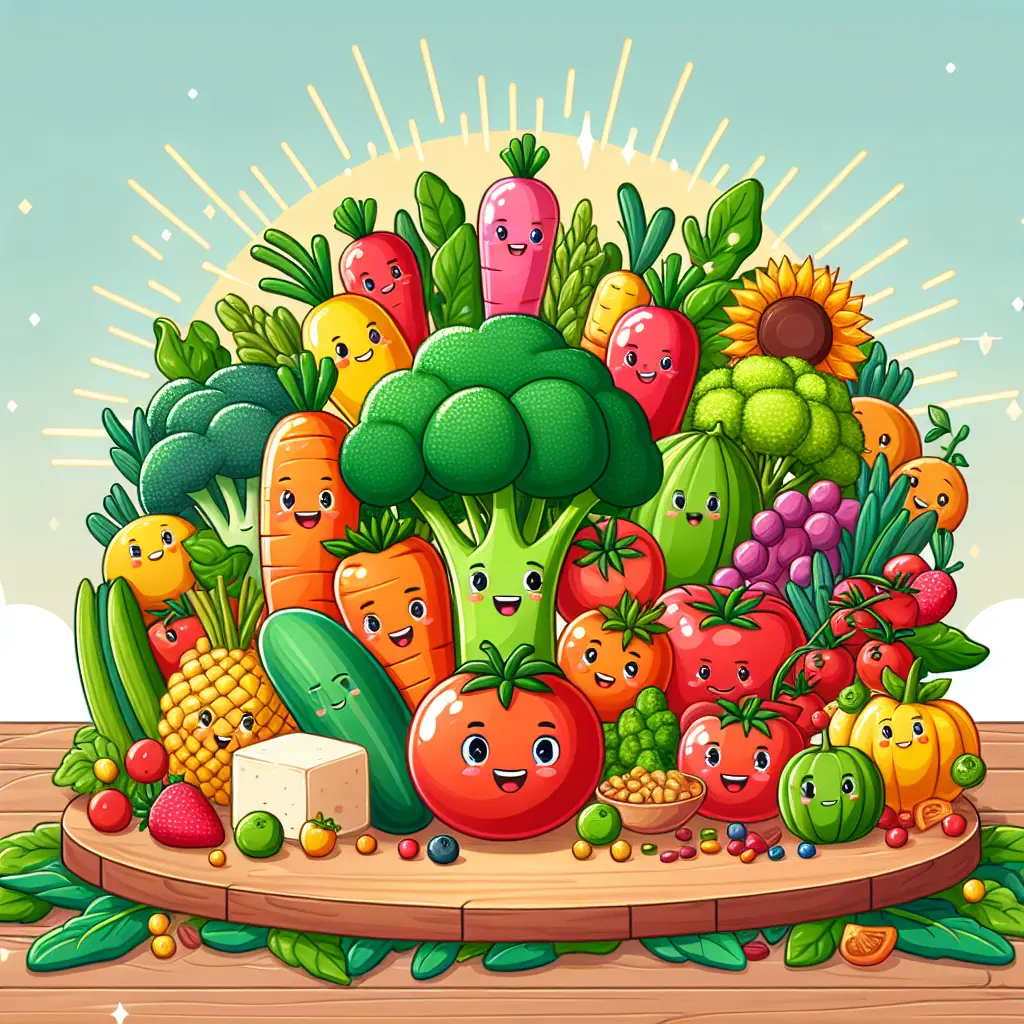
Plant-based diets focus on foods derived from plants, including vegetables, fruits, grains, nuts, and legumes, while minimizing or eliminating animal products. Vegetarian diets exclude meat, poultry, and fish but may include dairy and eggs. Vegan diets are more restrictive, avoiding all animal-derived products. Both approaches emphasize nutrient-rich, fiber-filled foods that can support health, lower disease risk, and align with ethical or environmental values.
💡 Key Takeaways
- Differentiate plant-based, vegetarian, and vegan diets and what foods they include or exclude.
- Identify essential nutrients (protein, iron, vitamin B12, calcium, iodine, and omega-3) and how to meet needs on plant-based diets.
- Explore plant-based protein sources (beans, lentils, tofu, tempeh, quinoa, nuts and seeds) and tips to combine them for complete amino acids.
- Learn practical meal-planning ideas and how to read labels to spot animal-derived ingredients in foods.
❓ Frequently Asked Questions
What is a plant-based diet?
A plant-based diet emphasizes foods from plants—vegetables, fruits, grains, nuts, and legumes—and minimizes or excludes animal products.
What is the difference between vegetarian and vegan?
Vegetarians exclude meat, poultry, and fish and may include dairy and eggs. Vegans avoid all animal-derived products, including dairy, eggs, and honey.
Which nutrients should you watch for on plant-based diets?
Key nutrients include protein, vitamin B12, iron, calcium, iodine, vitamin D, omega-3 fatty acids, and zinc; fortified foods or supplements may be needed for some.
How can you ensure enough protein on a plant-based diet?
Include a variety of protein-rich plant foods (legumes, soy products, whole grains, nuts, seeds) and aim for enough total protein from diverse sources.