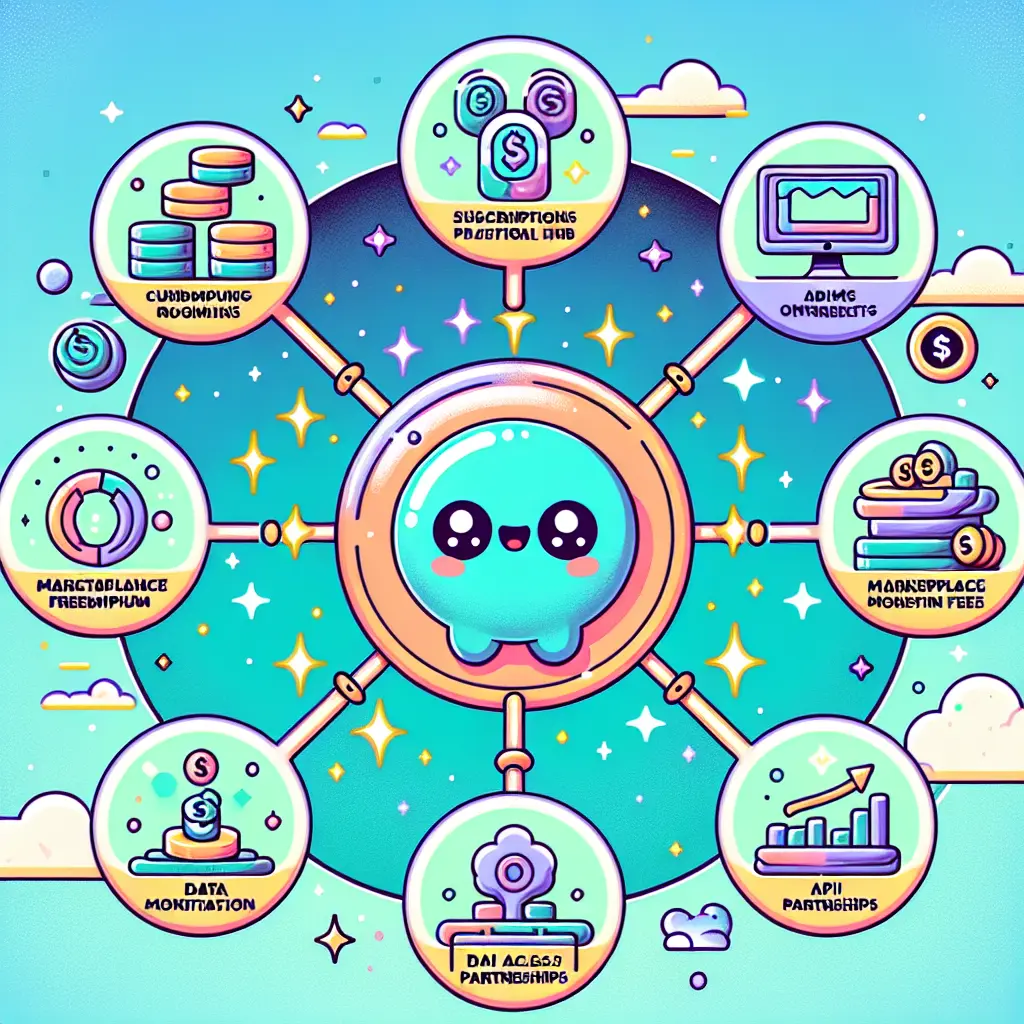
Platform monetization models refer to the various strategies and mechanisms digital platforms use to generate revenue. Common approaches include subscription fees, advertising, transaction commissions, freemium services, and data monetization. These models are chosen based on the platform’s target audience, value proposition, and market dynamics. By selecting the appropriate monetization model, platforms can sustain operations, incentivize growth, and maximize profitability while delivering value to users and stakeholders.
Platform Monetization Models
Platform monetization models refer to the various strategies and mechanisms digital platforms use to generate revenue. Common approaches include subscription fees, advertising, transaction commissions, freemium services, and data monetization. These models are chosen based on the platform’s target audience, value proposition, and market dynamics. By selecting the appropriate monetization model, platforms can sustain operations, incentivize growth, and maximize profitability while delivering value to users and stakeholders.
💡 Key Takeaways
- Identify core platform monetization models (subscription, advertising, freemium, transaction fees, and data monetization).
- Explain how subscription and freemium pricing affect user adoption, retention, and revenue.
- Describe the roles and trade-offs of advertising and data monetization, including privacy and user experience considerations.
- Understand why platforms often use hybrid or multi-model strategies and how to choose a model based on audience and product type.
❓ Frequently Asked Questions
What is platform monetization?
Platform monetization refers to the methods by which digital platforms earn revenue from users, interactions, or data rather than selling a single product.
What are common monetization models used by platforms?
Common models include subscription fees, advertising, transaction commissions, freemium services, and data monetization.
What is freemium and how does it work?
Freemium offers a basic service for free and charges for premium features, higher usage, or additional capabilities.
How does a transaction commission model generate revenue?
The platform takes a percentage or fixed fee from each sale or service completed through the platform.
What is data monetization on platforms?
Data monetization uses user data to generate revenue, such as targeted ads, analytics services, or selling anonymized insights, while respecting privacy policies.