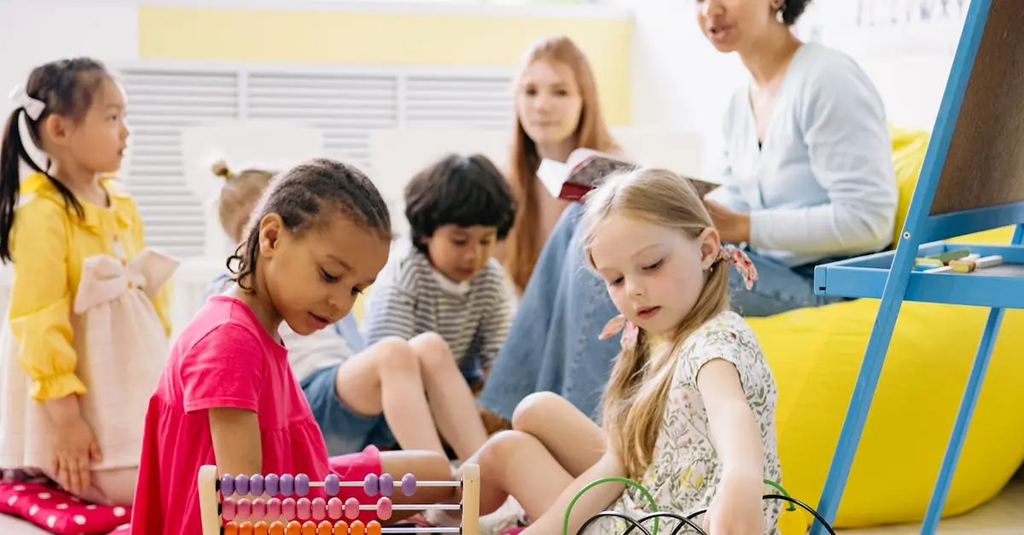
Play-based learning is an educational approach where children learn through engaging, hands-on play activities. It emphasizes exploration, creativity, and problem-solving, allowing children to develop cognitive, social, and emotional skills naturally. Through guided or free play, children interact with their environment, peers, and materials, fostering curiosity and a love for learning. This method supports holistic development and adapts to individual interests and learning styles, making education enjoyable and meaningful.
Play-Based Learning
Play-based learning is an educational approach where children learn through engaging, hands-on play activities. It emphasizes exploration, creativity, and problem-solving, allowing children to develop cognitive, social, and emotional skills naturally. Through guided or free play, children interact with their environment, peers, and materials, fostering curiosity and a love for learning. This method supports holistic development and adapts to individual interests and learning styles, making education enjoyable and meaningful.
💡 Key Takeaways
- Understand the core idea of play-based learning and how it supports cognitive, social, and emotional development.
- Differentiate between guided play and free play and know when to use each at home.
- Design safe, engaging activities that foster exploration, creativity, and problem-solving.
- Learn to observe children's interests and interactions to tailor learning experiences and support skill growth.
❓ Frequently Asked Questions
What is play-based learning?
An educational approach where children learn through hands-on, engaging play. It emphasizes exploration, creativity, and problem-solving, helping cognitive, social, and emotional skills develop naturally. Play can be adult-guided or child-led.
What are the main benefits of play-based learning?
Benefits include improved problem-solving, language development, social skills (sharing and cooperation), emotional regulation, creativity, and intrinsic motivation to learn.
How is play-based learning different from traditional schooling?
It is child-centered and play-based, with adults acting as facilitators. Learning occurs through play and real tasks rather than direct instruction or tests, and progress is often observed rather than tested.
How can I implement play-based learning at home?
Provide a safe, varied play space; set aside regular play time; follow your child’s interests; join in as a facilitator; ask open-ended questions; balance free and guided play; observe and support development.