Playground games are traditional activities or sports played by children, typically outdoors in a schoolyard or park. These games often require minimal equipment and encourage physical activity, social interaction, and teamwork. Common examples include tag, hopscotch, hide and seek, and jump rope. Playground games help children develop important motor skills, learn rules and fair play, and foster friendships through shared play experiences. They are an essential part of childhood recreation and development.
Playground Games
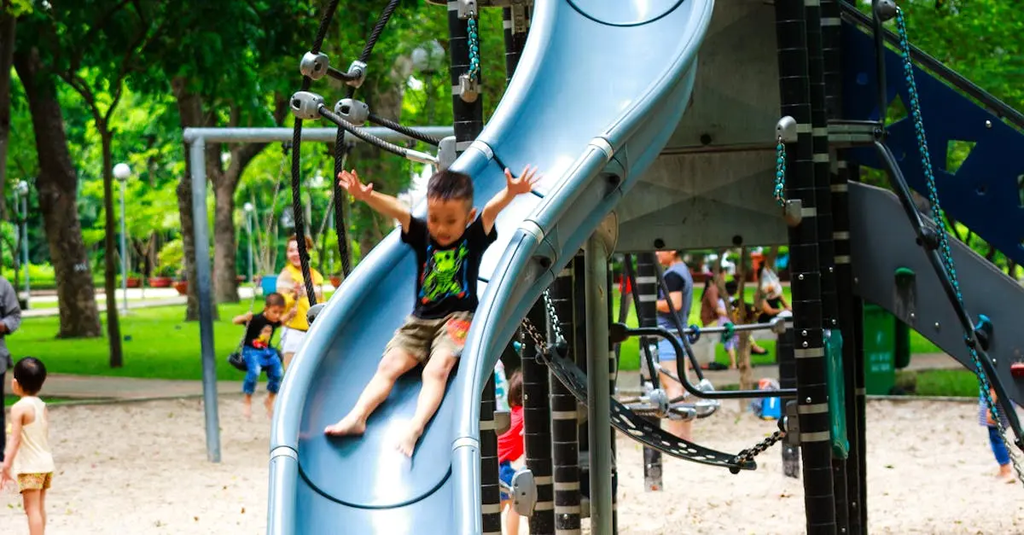
Playground games are traditional activities or sports played by children, typically outdoors in a schoolyard or park. These games often require minimal equipment and encourage physical activity, social interaction, and teamwork. Common examples include tag, hopscotch, hide and seek, and jump rope. Playground games help children develop important motor skills, learn rules and fair play, and foster friendships through shared play experiences. They are an essential part of childhood recreation and development.
💡 Key Takeaways
- Identify classic playground games (tag, hopscotch, hide and seek, jump rope) and their popularity across past decades.
- Explain how simple, equipment-light activities promote physical fitness, social interaction, and teamwork.
- Explore how nostalgia for childhood playgrounds shapes memories, culture, and trends across generations.
- Learn basic variations and rules of common games to see how they differ by region or era.
❓ Frequently Asked Questions
What are playground games?
Traditional outdoor activities for children, usually in schoolyards or parks, that require little equipment and involve movement, social interaction, and teamwork.
What are some common examples of these games?
Tag, hopscotch, hide and seek, and jump rope.
What benefits do playground games provide?
They promote physical activity, social interaction, teamwork, and coordination in a fun, low-cost way.
What equipment is typically needed for playground games?
Minimal or none—often just people, plus simple items like chalk for boundaries, a rope, or a ball.