Plumbing systems in construction technology encompass the design and installation of water supply and drainage networks within buildings. Water supply systems deliver clean, pressurized water to fixtures and appliances, while drainage systems safely remove wastewater and sewage. Effective plumbing design ensures reliable water distribution, proper waste disposal, and prevents contamination through backflow prevention and venting. Adhering to codes and standards is essential for safety, efficiency, and sustainability in both residential and commercial construction projects.
Plumbing Systems: Water Supply and Drainage Design
Plumbing systems in construction technology encompass the design and installation of water supply and drainage networks within buildings. Water supply systems deliver clean, pressurized water to fixtures and appliances, while drainage systems safely remove wastewater and sewage. Effective plumbing design ensures reliable water distribution, proper waste disposal, and prevents contamination through backflow prevention and venting. Adhering to codes and standards is essential for safety, efficiency, and sustainability in both residential and commercial construction projects.
💡 Key Takeaways
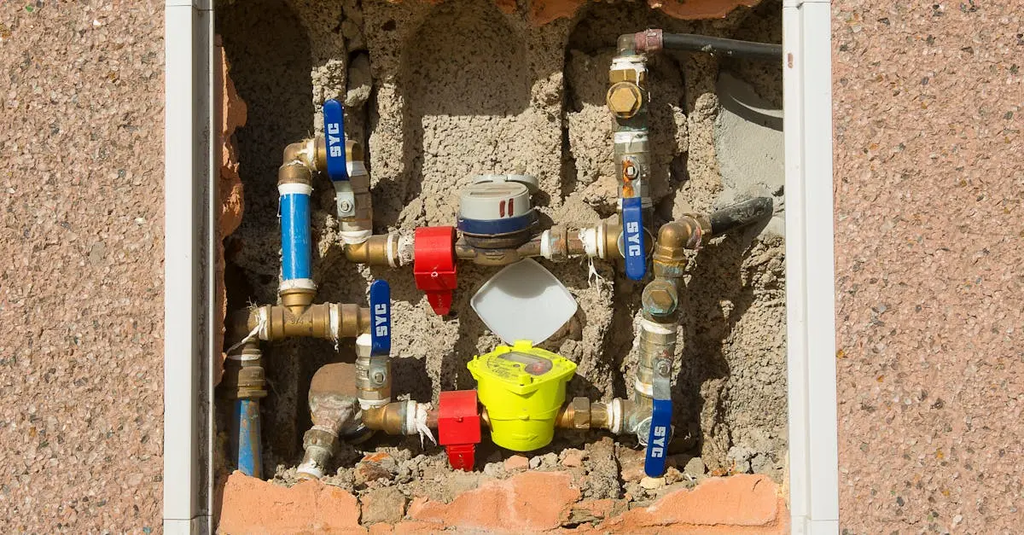
- Identify the main components of a domestic water supply system.
- Describe key drainage design concepts including venting, slope, and traps.
- Understand standard plumbing codes and safety considerations for water systems.
- Explain strategies for water efficiency, leak prevention, and system reliability.
❓ Frequently Asked Questions
What is the difference between water supply design and drainage design?
Water supply design ensures clean water is delivered to fixtures at adequate pressure and volume, while drainage design removes wastewater and stormwater safely and reliably, preventing blockages and sewer gases.
Why are vents important in drainage systems?
Vent pipes admit air and allow air to escape, preventing trap siphonage and helping wastewater flow smoothly, while also venting sewer gases away from living areas.
What is backflow prevention and where is it required?
Backflow prevention devices stop contaminated water from flowing back into the potable supply. They are required at cross-connections where backflow could occur (e.g., irrigation, boilers, fire protection).
What is the purpose of cleanouts in drainage systems?
Cleanouts provide access points to clear blockages and to inspect and maintain drainage pipes.
Why is pipe slope important in drainage design, and what are typical guidelines?
Proper slope uses gravity to move waste toward the sewer; too little slope can cause clogs, while too much can cause issues with flow. A common guideline is about 1/4 inch per foot (2% grade) for many residential drains, but always follow local codes and pipe size requirements.