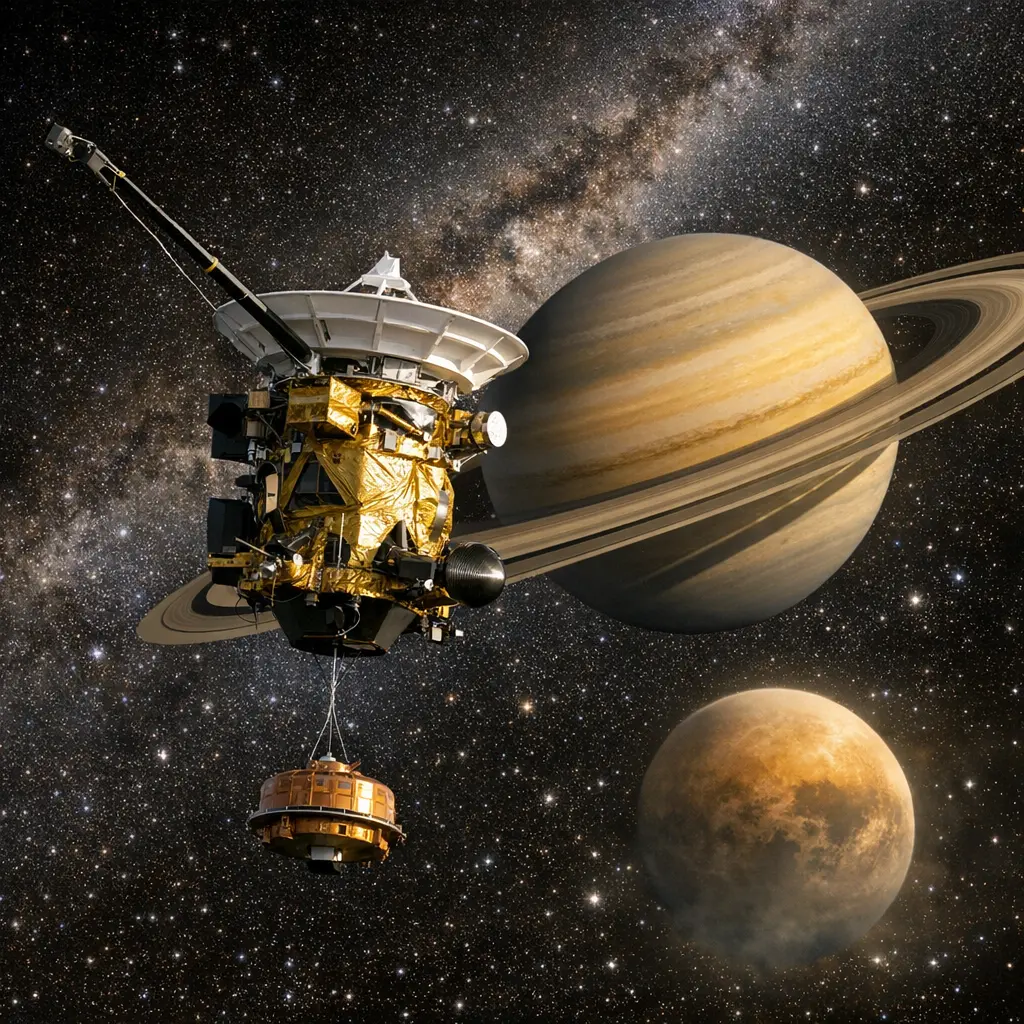
Pluto is a dwarf planet located in the Kuiper Belt, a vast region beyond Neptune filled with icy bodies and remnants from the early solar system. Once considered the ninth planet, Pluto's reclassification in 2006 highlighted the Kuiper Belt's importance. This belt contains many small, icy objects, including dwarf planets like Eris and Haumea, and offers valuable insight into the formation and evolution of our solar system.
Pluto and the Kuiper Belt
Pluto is a dwarf planet located in the Kuiper Belt, a vast region beyond Neptune filled with icy bodies and remnants from the early solar system. Once considered the ninth planet, Pluto's reclassification in 2006 highlighted the Kuiper Belt's importance. This belt contains many small, icy objects, including dwarf planets like Eris and Haumea, and offers valuable insight into the formation and evolution of our solar system.

💡 Key Takeaways
- Identify Pluto as a dwarf planet in the Kuiper Belt beyond Neptune.
- Learn why Pluto is not a major planet and what a dwarf planet means.
- Describe Pluto's key features (size, icy composition, atmosphere, and the heart-shaped Tombaugh Regio).
- Understand what the Kuiper Belt is and its importance for solar system formation.
❓ Frequently Asked Questions
What is the Kuiper Belt?
A doughnut-shaped region beyond Neptune filled with icy bodies and dwarf planets, including Pluto, extending roughly from 30 to 50 astronomical units (AU) from the Sun.
Why is Pluto not considered a planet anymore?
In 2006 the IAU defined a planet as a body that orbits the Sun, is round, and has cleared its orbit. Pluto meets the first two but shares its orbit with many other objects in the Kuiper Belt, so it is classified as a dwarf planet.
How far is Pluto from the Sun and how long is its year?
Pluto orbits at about 39.5 AU on average; one Pluto year lasts about 248 Earth years. Its orbit is more eccentric and inclined than Earth's.
What are Pluto's moons and what's special about Charon?
Pluto has five known moons: Charon (largest), Hydra, Nix, Kerberos, and Styx. Charon is large enough relative to Pluto that they form a binary system.
What did the New Horizons mission discover about Pluto?
New Horizons (2015) provided close-up images showing diverse geology—mountains, plains, and a thin atmosphere—along with details about Pluto's moons and surface changes.