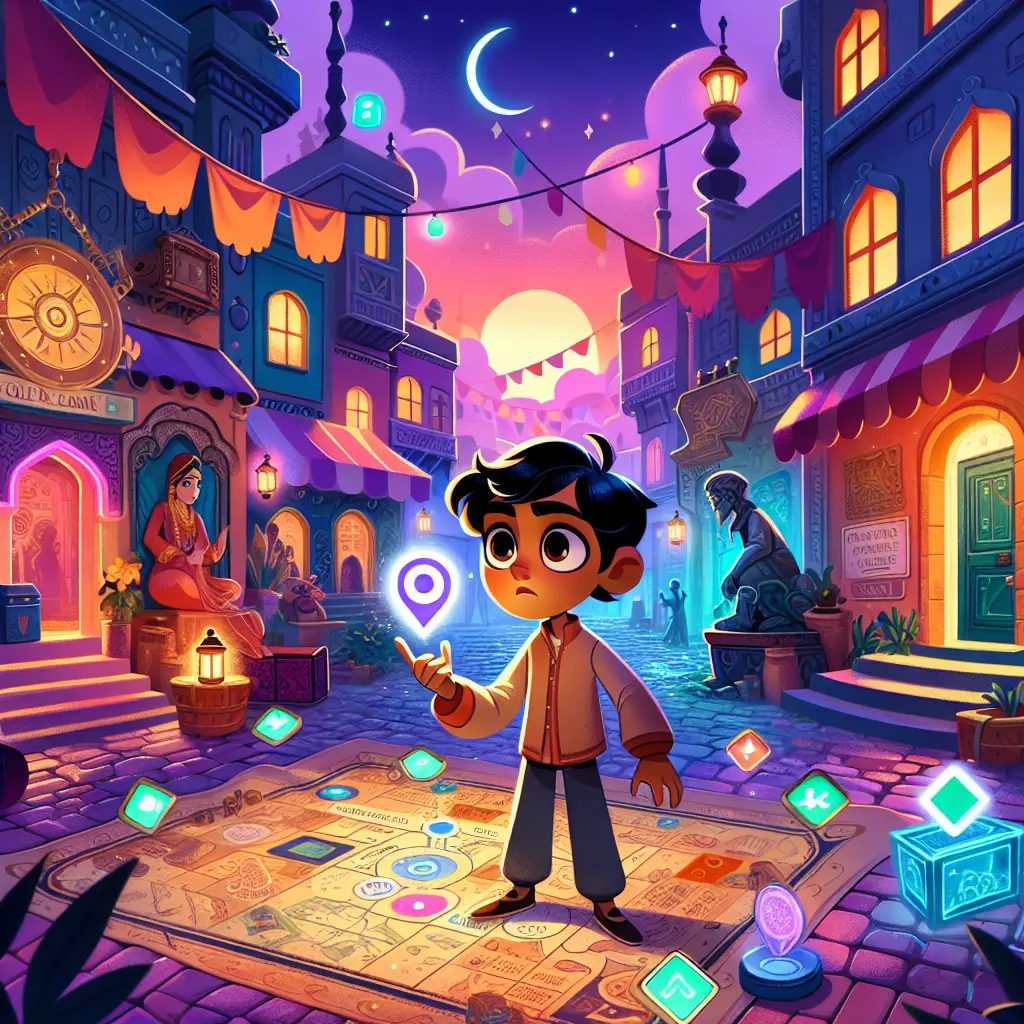
Point-and-click adventures are a genre of video games where players interact with the environment and solve puzzles primarily using a computer mouse or similar input device. Players navigate scenes, collect items, and communicate with characters by clicking on objects or locations. These games emphasize storytelling, exploration, and logic-based challenges, often featuring rich narratives and immersive worlds. Classic examples include titles like "Monkey Island" and "Myst," which highlight the genre’s focus on problem-solving and narrative engagement.
Point-and-Click Adventures
Point-and-click adventures are a genre of video games where players interact with the environment and solve puzzles primarily using a computer mouse or similar input device. Players navigate scenes, collect items, and communicate with characters by clicking on objects or locations. These games emphasize storytelling, exploration, and logic-based challenges, often featuring rich narratives and immersive worlds. Classic examples include titles like "Monkey Island" and "Myst," which highlight the genre’s focus on problem-solving and narrative engagement.
💡 Key Takeaways
- Understand the core mechanics of point-and-click adventures, including exploring scenes, finding hotspots, and solving puzzles with a mouse.
- Learn how players interact with items and characters through inventory management and dialogue to advance the story.
- Recognize how retro-and-classic design elements (pixel art, text-based dialogue, and inventory-based puzzles) shape gameplay and challenges.
- Explain how puzzle design blends exploration with logic and storytelling to create engaging, scene-driven experiences.
❓ Frequently Asked Questions
What defines point-and-click adventure games?
A genre where players navigate scenes and solve puzzles primarily by clicking with a mouse or similar input, often collecting items and talking to characters to advance the story.
How do you interact with the game world?
You examine objects, pick up and combine items, use items on other objects or characters, and choose dialogue options to uncover clues and progress.
What distinguishes retro/classic point-and-click adventures from modern ones?
They usually feature 2D art, static or linked screens, heavy puzzle-solving and text-based or scripted dialogue, with less emphasis on action and real-time mechanics.
Can these games be played on modern systems today?
Yes. Many classics are re-released or playable via modern platforms or emulation (e.g., DOSBox), preserving mouse-based exploration and puzzle focus.