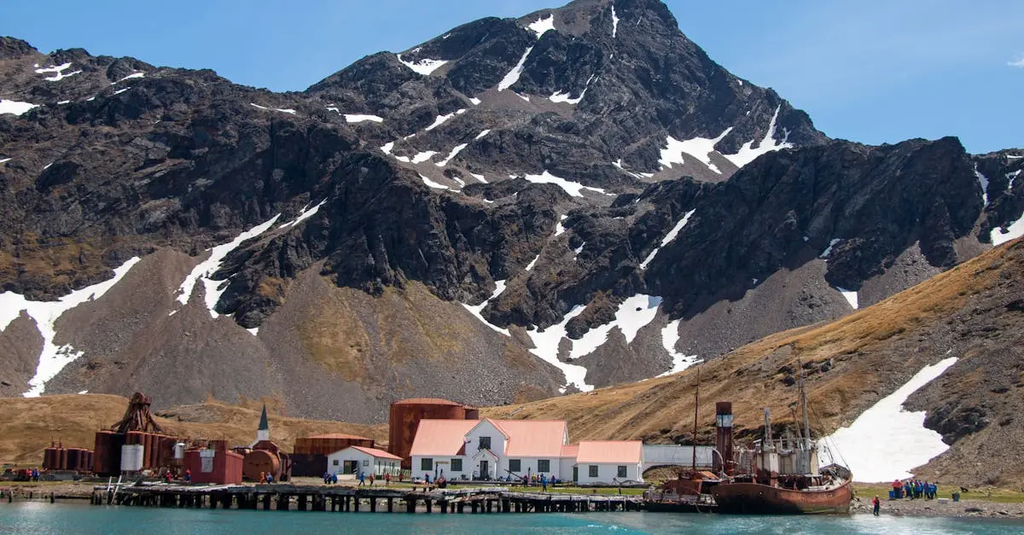
Polar routes refer to transportation paths that cross the Arctic or Antarctic regions, often used by aircraft to shorten travel distances between continents. Ice roads are temporary routes built over frozen bodies of water or compacted snow in polar or subpolar regions, enabling vehicles to access remote areas during winter months. Both are crucial for connecting isolated communities, supporting resource extraction, and facilitating scientific research in extreme, icy environments.
Polar Routes and Ice Roads
Polar routes refer to transportation paths that cross the Arctic or Antarctic regions, often used by aircraft to shorten travel distances between continents. Ice roads are temporary routes built over frozen bodies of water or compacted snow in polar or subpolar regions, enabling vehicles to access remote areas during winter months. Both are crucial for connecting isolated communities, supporting resource extraction, and facilitating scientific research in extreme, icy environments.
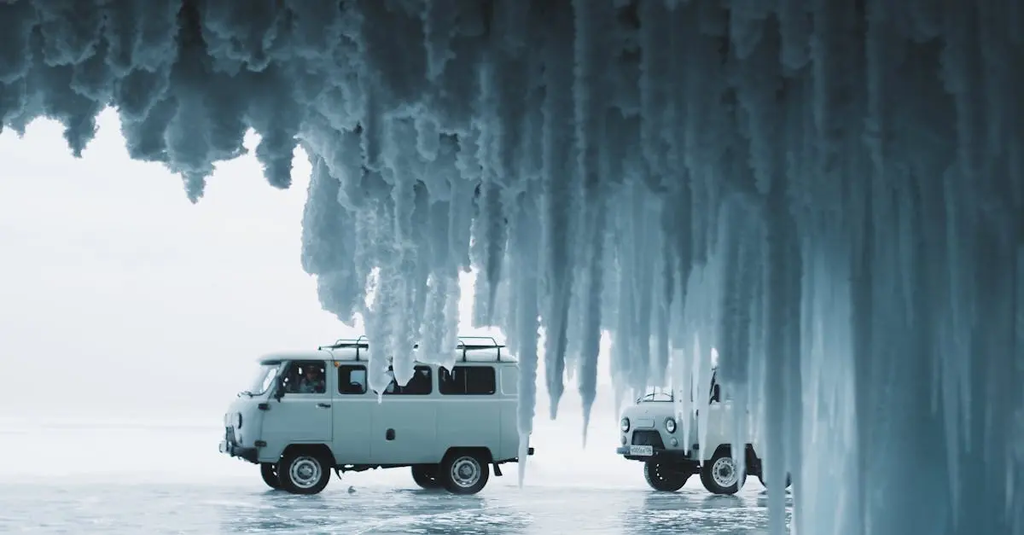
💡 Key Takeaways
- Understand how polar air routes shorten travel distances by crossing Arctic or Antarctic regions.
- Learn how ice roads are constructed and maintained on frozen waterways or snow in polar and subpolar areas.
- Recognize the safety, weather, and logistical challenges involved in polar travel and extreme expeditions.
- Explore typical adventure activities associated with polar routes and ice roads and how to plan for them.
❓ Frequently Asked Questions
What is a polar route?
A polar route is a high-latitude air corridor that crosses the Arctic or Antarctic to shorten flight distances between continents. They require careful navigation and weather planning due to extreme conditions.
Why do airlines use polar routes?
To reduce travel distance and flight time, saving fuel and improving efficiency on long-haul trips. They also present unique challenges like harsh weather and limited emergency landing options.
What are ice roads?
Ice roads are temporary routes built over frozen bodies of water or compacted snow in polar or subpolar regions, allowing vehicle access when normal roads aren’t usable.
What safety considerations apply to ice roads and polar travel?
Ice roads rely on sufficient ice thickness and seasonal conditions, with weight limits and monitoring to prevent breaks. Polar travel also involves extreme weather, navigation challenges, and limited emergency options.