Polaroids and disposable cameras are instant and single-use film cameras, respectively, popular for capturing candid, tangible memories. Polaroids produce instant physical photos moments after taking a picture, while disposable cameras require film development but offer a nostalgic, unpredictable quality. Both evoke a sense of spontaneity and authenticity, often associated with vintage aesthetics, travel, and special occasions, allowing users to enjoy photography without digital editing or immediate previews.
Polaroids & Disposable Cameras
Polaroids and disposable cameras are instant and single-use film cameras, respectively, popular for capturing candid, tangible memories. Polaroids produce instant physical photos moments after taking a picture, while disposable cameras require film development but offer a nostalgic, unpredictable quality. Both evoke a sense of spontaneity and authenticity, often associated with vintage aesthetics, travel, and special occasions, allowing users to enjoy photography without digital editing or immediate previews.
💡 Key Takeaways
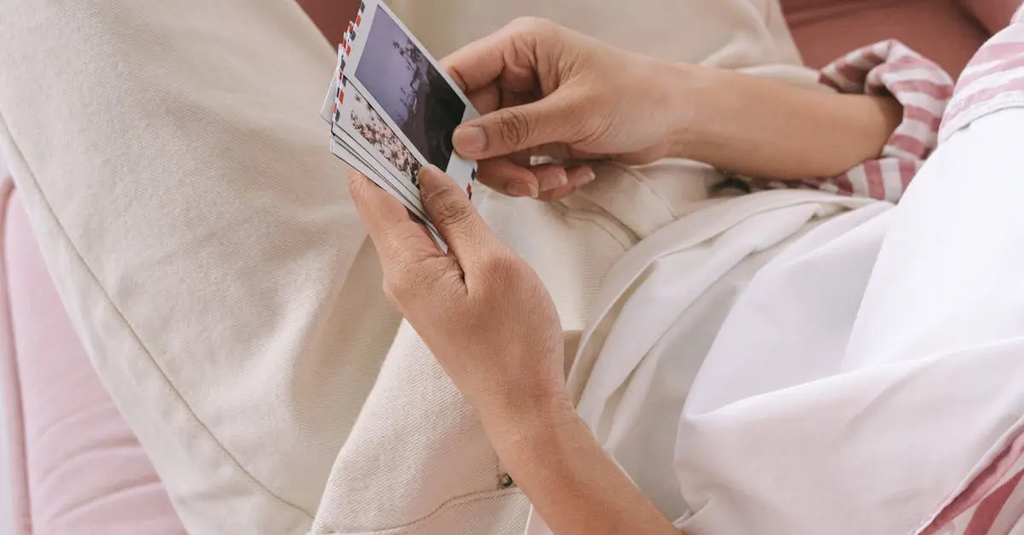
- Understand how Polaroid instant cameras create a physical photo moments after you shoot.
- Compare Polaroid instant prints with disposable cameras that require film development and are designed for single use.
- Explore why Polaroids and disposables evoke nostalgia and shape memories across different decades.
- Consider practical trade-offs like image quality, cost per photo, and the tactile appeal of physical prints.
- Appreciate the spontaneous, unpredictable results of disposable cameras and the unique memories they capture.
❓ Frequently Asked Questions
What is a Polaroid and how does it differ from a disposable camera?
Polaroids are instant cameras that print a photo moments after you shoot, while disposable cameras are single-use with film that must be developed later; Polaroids give instant physical prints, disposables require lab development.
How do Polaroid instant photos develop, and how long does it take?
The exposed film contains developing chemicals; after the photo is ejected, the image appears and continues to develop for about a minute or two.
What does a disposable camera mean, and how do you get the pictures back?
A disposable camera is a one-time-use camera loaded with film. After shooting, you turn it in for processing and receive printed photos (and sometimes a digital copy) later.
Why are Polaroids and disposable cameras nostalgic?
They capture tangible, imperfect memories from past decades, with physical prints, limited shots, and no instant review—qualities many find charming and nostalgic.
Tips for getting good results and preserving these photos
Use good lighting, hold the camera steady, avoid moisture and heat for prints, and store or scan photos after development to preserve memories.