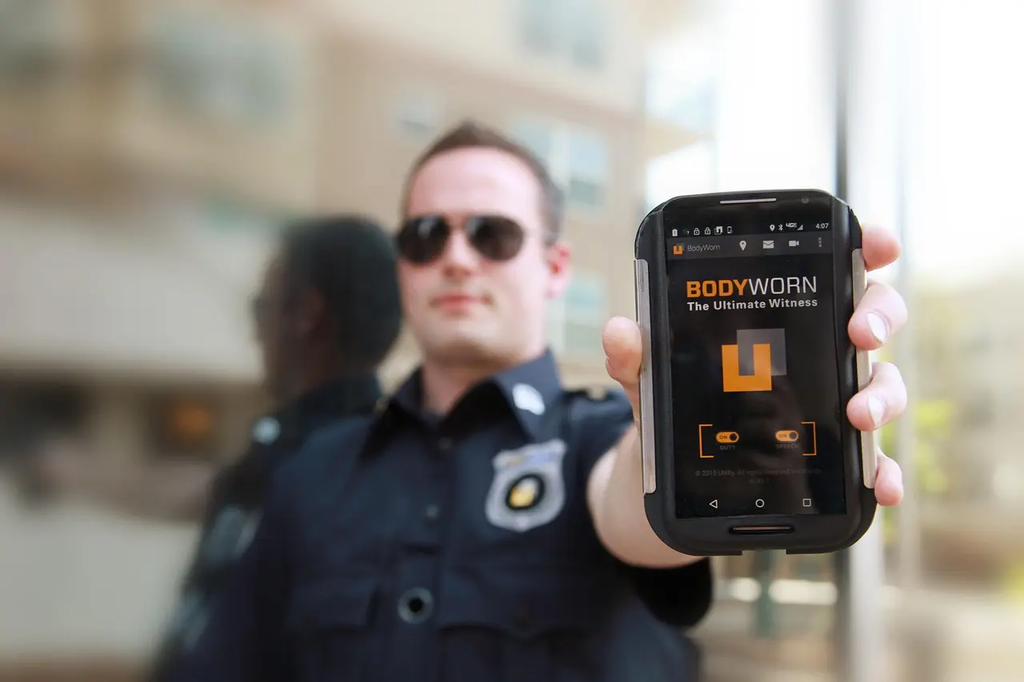
Police body-worn cameras are devices officers wear to record interactions with the public. These cameras promote accountability by providing objective evidence of encounters, helping to clarify disputed events, and deterring misconduct by both police and civilians. Footage from body-worn cameras can be used in investigations, court proceedings, and training, fostering transparency and building trust between law enforcement and the community by ensuring actions are documented and reviewable.
Police body-worn cameras and accountability
Police body-worn cameras are devices officers wear to record interactions with the public. These cameras promote accountability by providing objective evidence of encounters, helping to clarify disputed events, and deterring misconduct by both police and civilians. Footage from body-worn cameras can be used in investigations, court proceedings, and training, fostering transparency and building trust between law enforcement and the community by ensuring actions are documented and reviewable.
💡 Key Takeaways
- Body-worn cameras provide objective evidence of police–public encounters.
- Footage can help clarify disputed events and support transparency in policing.
- Visible cameras can deter misconduct by both officers and civilians when policies and oversight are in place.
- Effective use requires clear policies on activation, retention, access, and privacy protections.
- Limitations include incomplete coverage, potential biases, and the need for training and corroborating evidence.
❓ Frequently Asked Questions
What is a body-worn camera (BWC)?
A small video and audio recording device worn by police officers to document interactions with the public, providing an objective record of events.
How do body-worn cameras support accountability?
They capture objective footage of encounters, help clarify disputed events, and deter misconduct by both officers and civilians.
In what contexts is BWC footage used?
Footage can be reviewed in investigations, disciplinary processes, training, and, where permitted, public records requests or court proceedings, following privacy rules.
What are common limitations and privacy considerations with BWC footage?
Privacy protections (e.g., redactions), retention and access policies, potential coverage gaps if cameras are off, and the need for careful interpretation and secure storage.