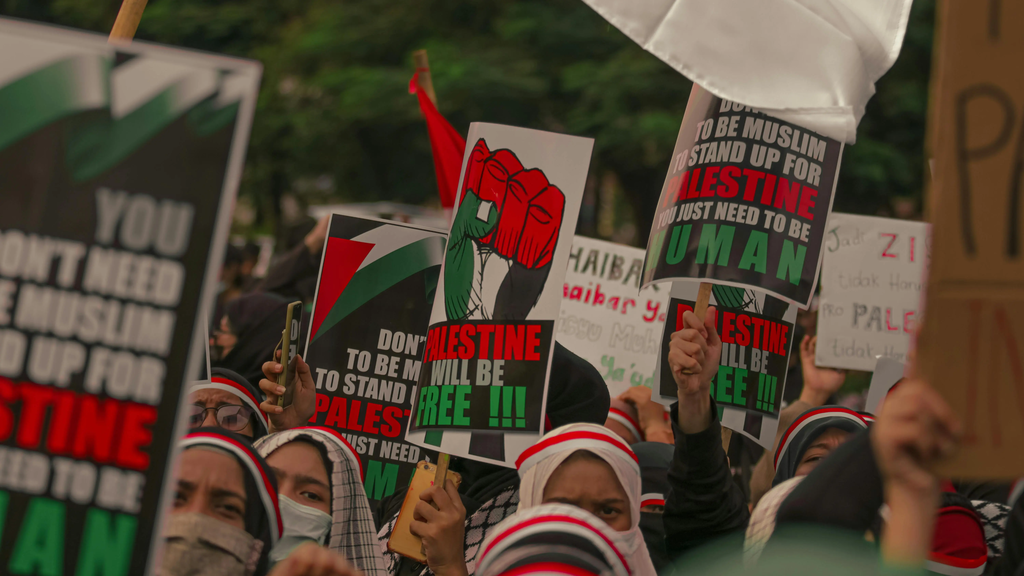
Political boycotts occur when countries or teams refuse to participate in international tournaments due to political disagreements or conflicts. These actions can significantly impact tournaments by reducing the level of competition, altering outcomes, and diminishing global viewership and sponsorship. Boycotts often highlight underlying political tensions and can overshadow the sporting event itself, affecting athletes’ careers and the host nation’s reputation. Ultimately, political boycotts intertwine sports with international relations and diplomacy.
Political boycotts and their tournament impacts
Political boycotts occur when countries or teams refuse to participate in international tournaments due to political disagreements or conflicts. These actions can significantly impact tournaments by reducing the level of competition, altering outcomes, and diminishing global viewership and sponsorship. Boycotts often highlight underlying political tensions and can overshadow the sporting event itself, affecting athletes’ careers and the host nation’s reputation. Ultimately, political boycotts intertwine sports with international relations and diplomacy.
💡 Key Takeaways
- Understand how political boycotts can reduce the level of competition in the World Cup and continental championships.
- Explore how boycotts can alter tournament outcomes and qualification dynamics when teams withdraw.
- Recognize the effects on global viewership, media coverage, and sponsorship when major teams skip events.
- Examine the broader politics-sport relationship, including ethical considerations and potential long-term impacts on diplomacy and the sport’s development.
❓ Frequently Asked Questions
What is a political boycott in football tournaments?
A decision by a country or team to skip a World Cup or continental championship for political reasons, not sports performance.
Why might a country or team boycott a tournament?
To protest policies, conflicts, or diplomatic disputes, or due to sanctions or governance disagreements.
How can boycotts affect the tournament itself?
Fewer teams can alter group stages and brackets, potentially changing matchups, outcomes, and the overall level of competition.
What impact do boycotts have on fans, sponsors, and viewership?
Lower attendance and TV viewership, possible sponsor withdrawal or reduced investment, and a smaller global audience for the event.