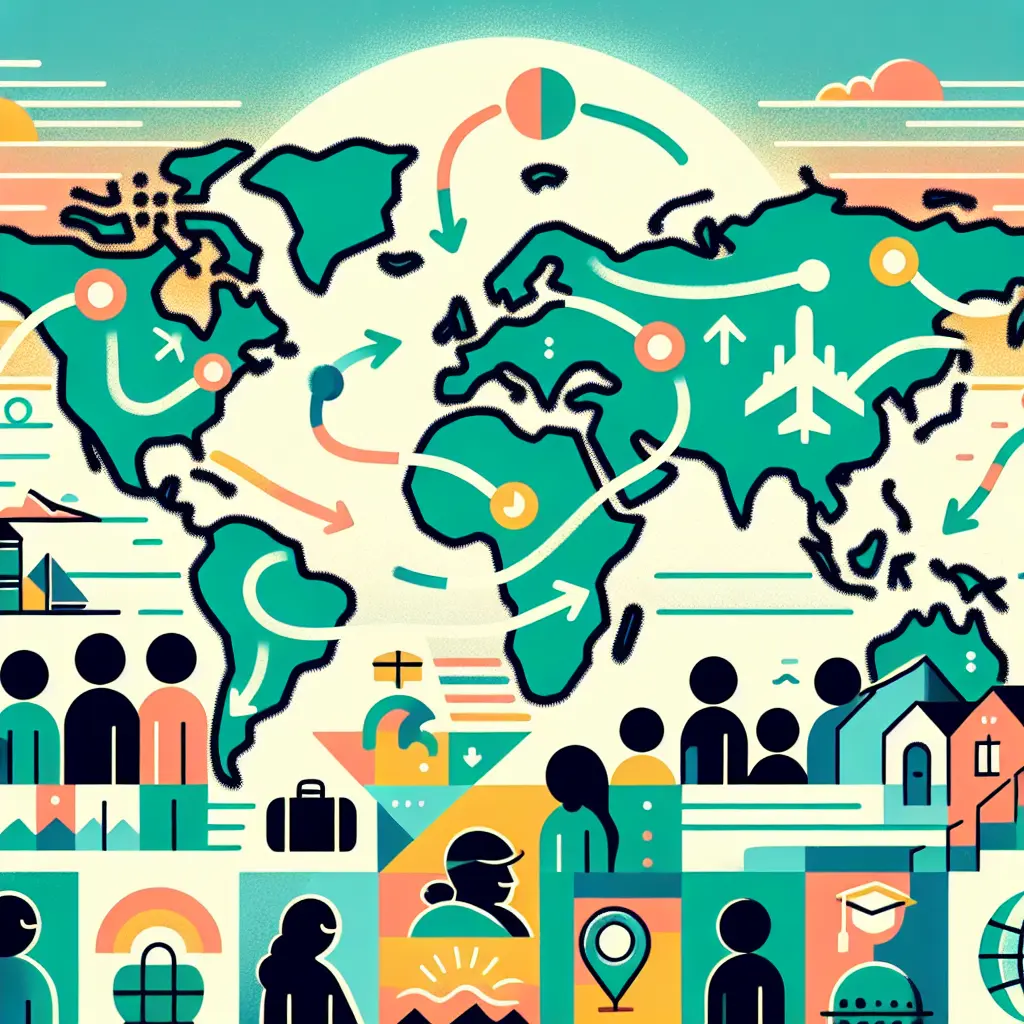
Political geography examines how spatial structures and processes influence politics and power. Key research topics include boundaries, territorial disputes, geopolitics, nationalism, and the spatial organization of states. Debates often center on globalization’s impact, the relevance of nation-states, and the role of identity in political spaces. Emerging frontiers involve digital geopolitics, environmental politics, and the influence of non-state actors, reflecting the field’s dynamic response to contemporary global challenges.
Political Geography: Research Topics, Debates & Frontiers
Political geography examines how spatial structures and processes influence politics and power. Key research topics include boundaries, territorial disputes, geopolitics, nationalism, and the spatial organization of states. Debates often center on globalization’s impact, the relevance of nation-states, and the role of identity in political spaces. Emerging frontiers involve digital geopolitics, environmental politics, and the influence of non-state actors, reflecting the field’s dynamic response to contemporary global challenges.
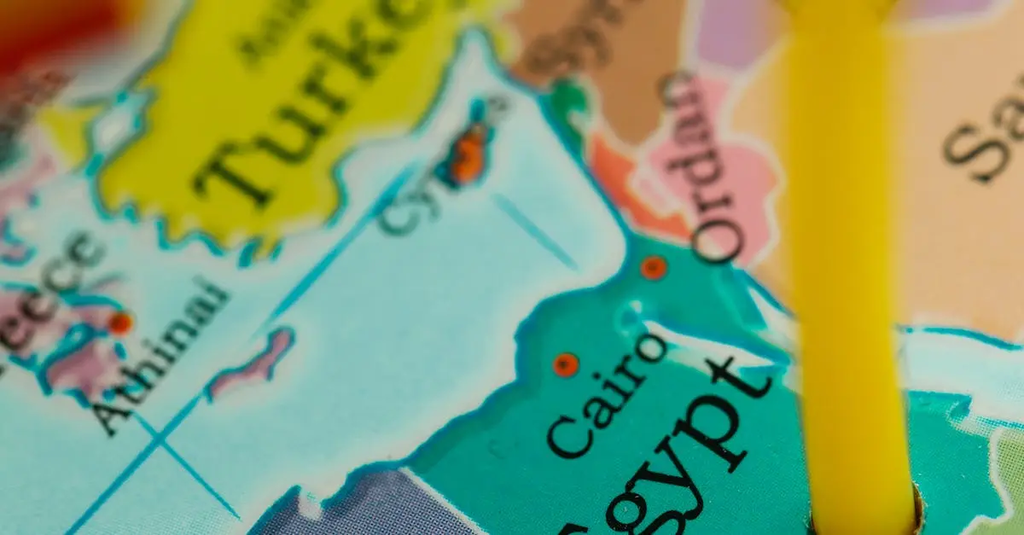
💡 Key Takeaways
- Understand how boundaries and borders influence sovereignty, governance, and conflict.
- Explore territorial disputes, diplomacy, and the legal-geopolitical frameworks that manage them.
- Examine geopolitics and how the spatial layout of states and regions affects power.
- Analyze nationalism, identity, and the politics of nation-states in a changing world.
- Discuss globalization's impact on state sovereignty and the evolving frontiers of political geography research.
❓ Frequently Asked Questions
What is political geography?
Political geography studies how space and place shape politics, power, and government, focusing on borders, territories, states, and how people and governments interact across space.
What are political boundaries and why do they matter?
Boundaries are official lines that separate territories. They define sovereignty, control resources, influence identity, and can be sources of cooperation or conflict.
What is geopolitics?
Geopolitics examines how geography affects international relations, power, security, and strategy—such as locations of resources, routes, and strategic chokepoints.
How do nationalism and nation-states shape political geography?
Nationalism fosters a sense of shared identity that often guides how borders are drawn and how states organize themselves, sometimes aligning borders with ethnic groups or triggering disputes.
How does globalization affect nation-states?
Globalization spreads trade, migration, and information, which can challenge state sovereignty and raise debates about the continued primacy of nation-states in guiding policy.