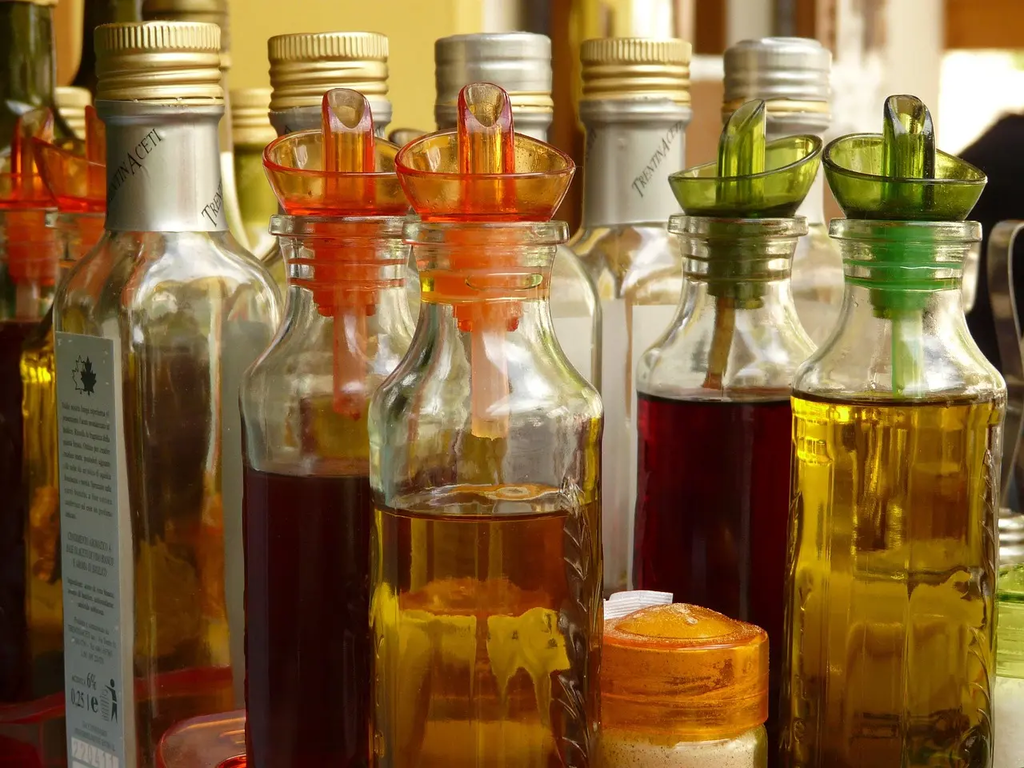
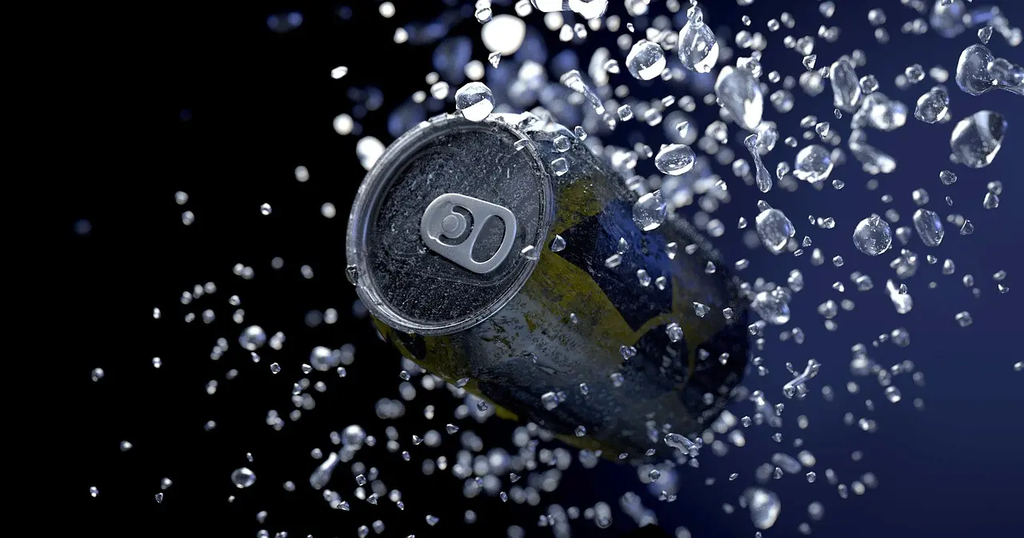
Popular beverages refer to widely consumed drinks enjoyed by people around the world. These include both non-alcoholic options like tea, coffee, soft drinks, fruit juices, and milk, as well as alcoholic beverages such as beer, wine, and cocktails. Many cultures have their own signature drinks, and some beverages, like cola or green tea, have become global favorites. The popularity of beverages often reflects regional tastes, traditions, and social habits.
Popular Beverages+50
Popular beverages refer to widely consumed drinks enjoyed by people around the world. These include both non-alcoholic options like tea, coffee, soft drinks, fruit juices, and milk, as well as alcoholic beverages such as beer, wine, and cocktails. Many cultures have their own signature drinks, and some beverages, like cola or green tea, have become global favorites. The popularity of beverages often reflects regional tastes, traditions, and social habits.
💡 Key Takeaways
- Identify popular beverage categories (coffee, tea, soft drinks, juice, water) and why they appeal
- Explain how taste, aroma, and temperature influence beverage popularity
- Describe common preparation methods and flavor modifiers used in popular beverages
- Discuss cultural and regional trends that shape beverage choices
❓ Frequently Asked Questions
What are the main categories of popular beverages?
Common groups include water, hot beverages (tea, coffee), dairy and non-dairy drinks (milk, plant milks), fruit/vegetable juices, carbonated soft drinks, and alcoholic beverages.
What is tea, and how is it prepared differently?
Tea comes from Camellia sinensis leaves; depending on processing it becomes green, black, oolong, or white tea. Brewing temperature and time vary by type.
How do juice and smoothie differ?
Juice is the liquid extracted from fruit or vegetables, with most fiber removed; a smoothie is blended fruit/veg with water, milk, or yogurt, retaining more fiber.
What distinguishes a soft drink from fruit juice?
Soft drinks are carbonated beverages with added sugars or sweeteners; fruit juice is the natural pressed liquid from fruit with no carbonation (in its basic form).