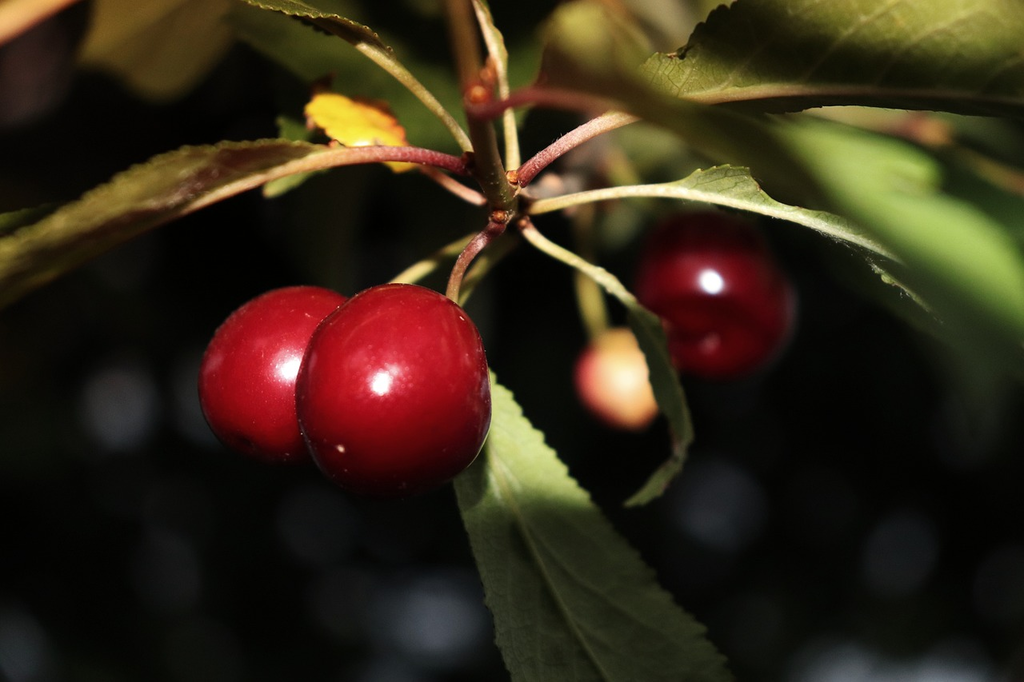
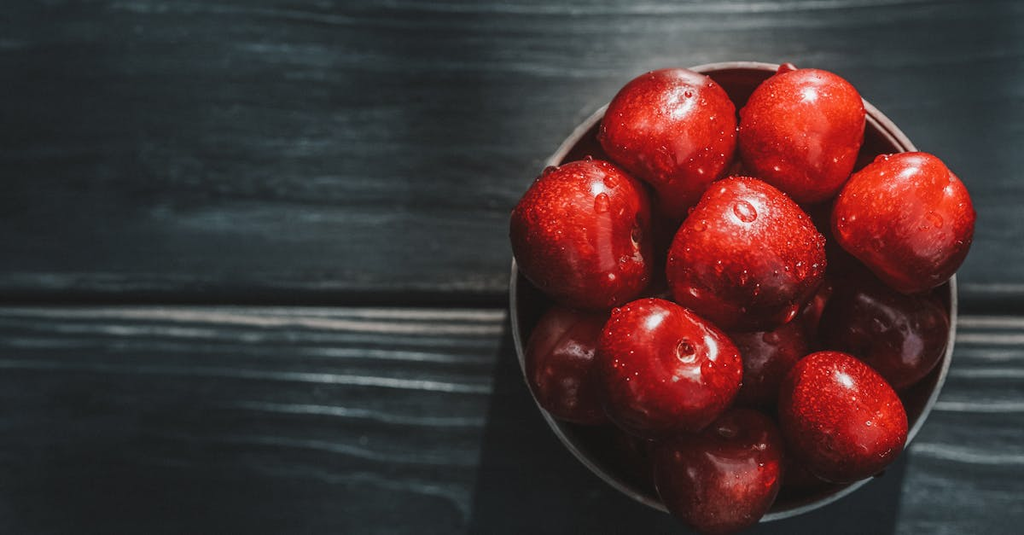
Popular cherry varieties, especially within the fresh fruit category alongside oranges, include Bing, Rainier, and Montmorency. Bing cherries are known for their deep red color and sweet flavor, making them a favorite for snacking. Rainier cherries are yellow with a blush of red and offer a delicate, sweet taste. Montmorency cherries, typically tart, are often used for baking and preserves, highlighting the diversity and appeal of fresh cherry options.
Popular Cherry Varieties+50
Popular cherry varieties, especially within the fresh fruit category alongside oranges, include Bing, Rainier, and Montmorency. Bing cherries are known for their deep red color and sweet flavor, making them a favorite for snacking. Rainier cherries are yellow with a blush of red and offer a delicate, sweet taste. Montmorency cherries, typically tart, are often used for baking and preserves, highlighting the diversity and appeal of fresh cherry options.
💡 Key Takeaways
- Differentiate sweet cherry varieties from tart (sour) cherries and understand their typical culinary uses.
- Name popular varieties (Bing, Rainier, Montmorency, Lapins) and describe their flavor, color, and texture.
- Understand when and where each variety is typically harvested and how climate influences flavor.
- Learn basic selection, storage, and preparation tips to maximize freshness and appeal in snacks or recipes.
❓ Frequently Asked Questions
What is the difference between sweet cherry varieties and sour (tart) cherry varieties?
Sweet cherries (Prunus avium) are larger, firmer, and eaten fresh; sour/tart cherries (Prunus cerasus) are smaller, more acidic, and excel in baking, pies, jams, and juices.
Name a popular tart cherry variety and its typical use.
Montmorency is a widely grown tart cherry that is bright red and tart, commonly used in pies, jams, and juices.
Name a popular sweet cherry variety and a standout trait.
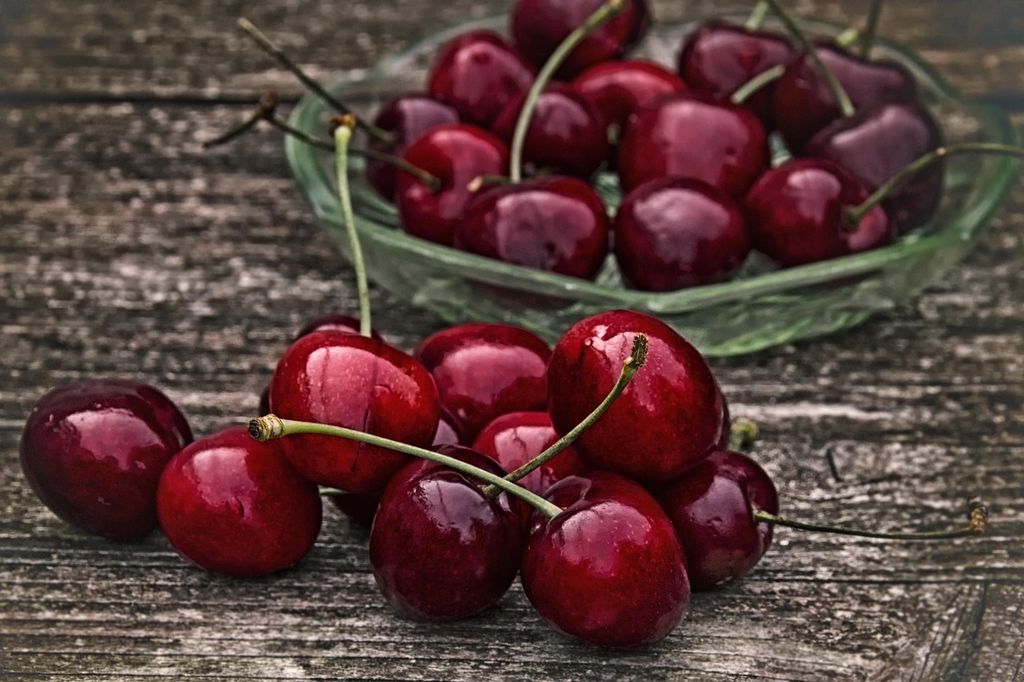
Bing is a classic sweet cherry—large, dark red, with bold, rich flavor.
How should you choose cherry varieties for different uses (fresh eating vs baking)?
Choose sweet varieties like Bing or Rainier for fresh eating; choose tart varieties like Montmorency for baking and preserves; consider harvest timing and local climate when selecting.