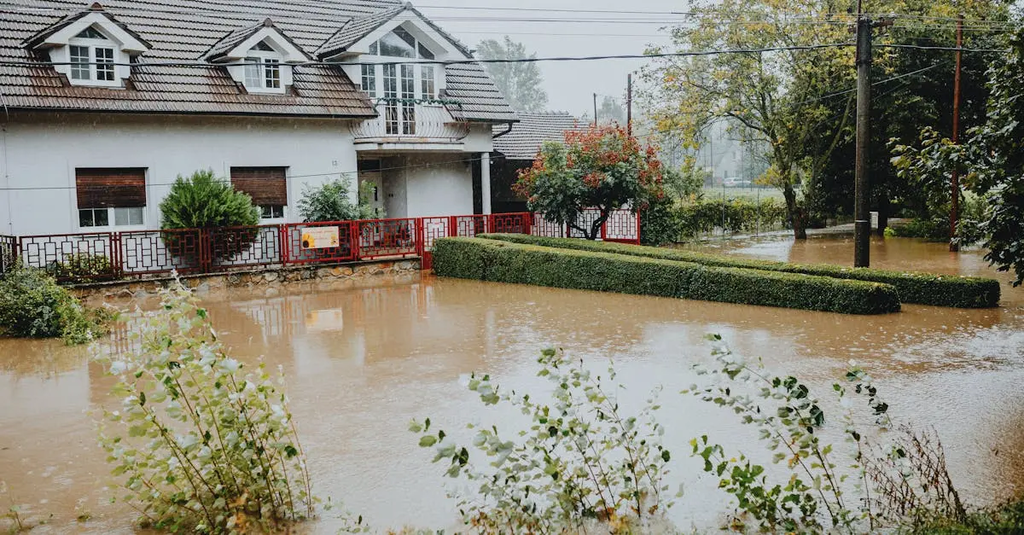
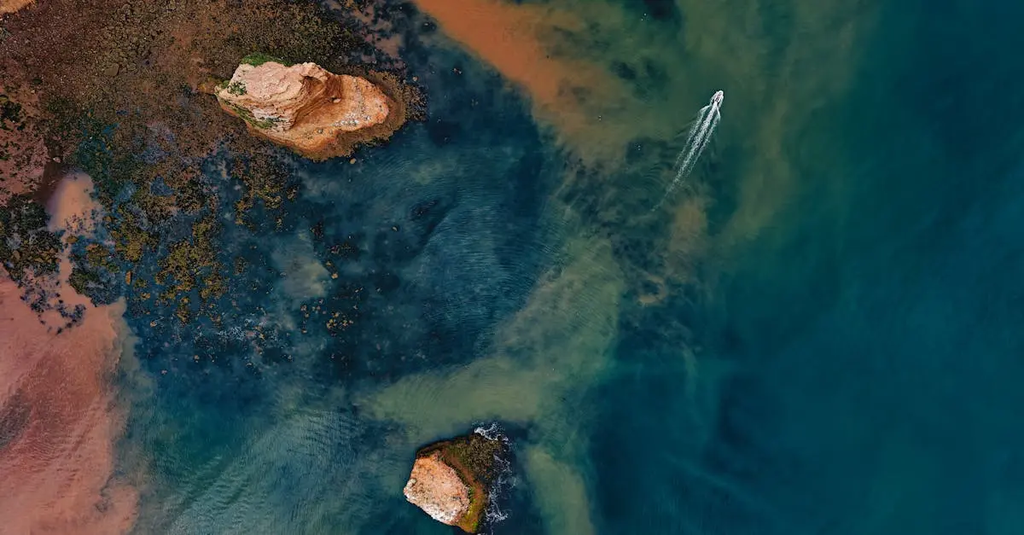
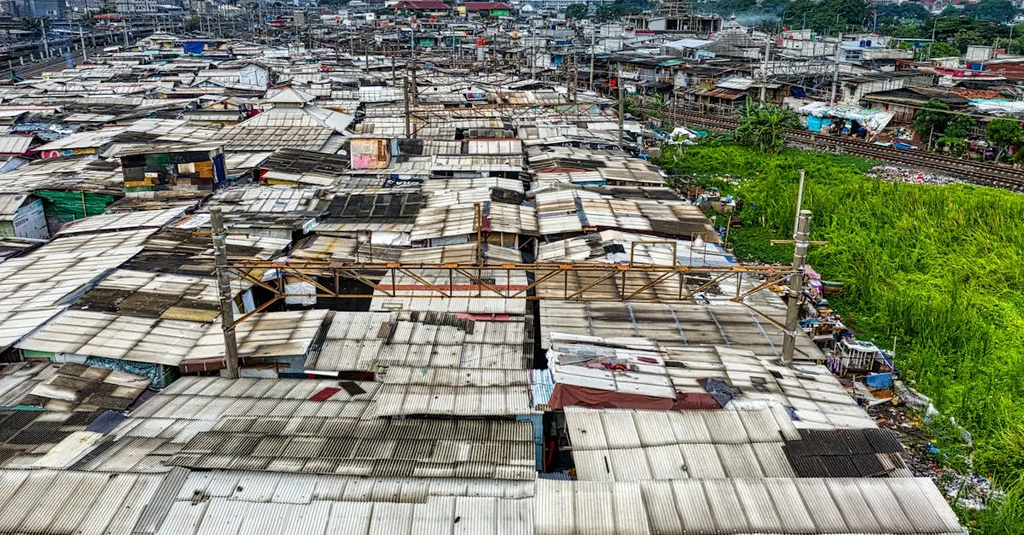
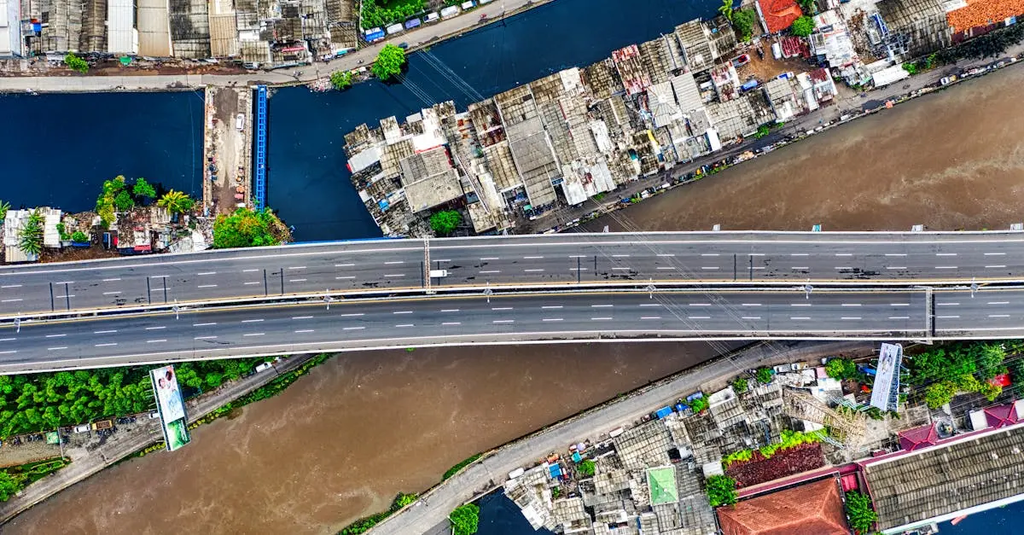
Population distribution refers to the way people are spread out across a specific area or the world. It illustrates how populations are arranged geographically, which can be uneven due to factors like climate, resources, topography, and human activities. Some regions may have dense populations, such as urban centers, while others are sparsely populated, like deserts or mountains. Understanding population distribution helps in planning, resource allocation, and analyzing social and economic patterns.
Population distribution+50
Population distribution refers to the way people are spread out across a specific area or the world. It illustrates how populations are arranged geographically, which can be uneven due to factors like climate, resources, topography, and human activities. Some regions may have dense populations, such as urban centers, while others are sparsely populated, like deserts or mountains. Understanding population distribution helps in planning, resource allocation, and analyzing social and economic patterns.
💡 Key Takeaways
- Define population distribution and how it shows where people live across an area or the world.
- Identify the main factors that drive uneven distribution: climate, resources, topography, and human activities.
- Compare dense and sparse population regions and explain why density varies by place.
- Explain how population patterns influence planning, infrastructure, and resource use.
❓ Frequently Asked Questions
What is population distribution?
Population distribution describes how people are spread across an area or the world, showing where populations are dense or sparse and how this varies due to factors like climate, resources, terrain, and human activity.
What factors influence population distribution?
Factors include climate, availability of resources (water, arable land, energy), topography (mountains, deserts), infrastructure and accessibility, economic opportunities, political stability, and historical settlement patterns.
What is population density and how is it calculated?
Population density is the number of people living in a given area, usually per square kilometer. It is calculated by dividing the total population by the land area.
What are common patterns of population distribution?
Populations often cluster near cities, coastlines, and river valleys; they can be dense in fertile plains and sparse in deserts, high mountains, or tundra, leading to clumped, linear, or dispersed patterns.