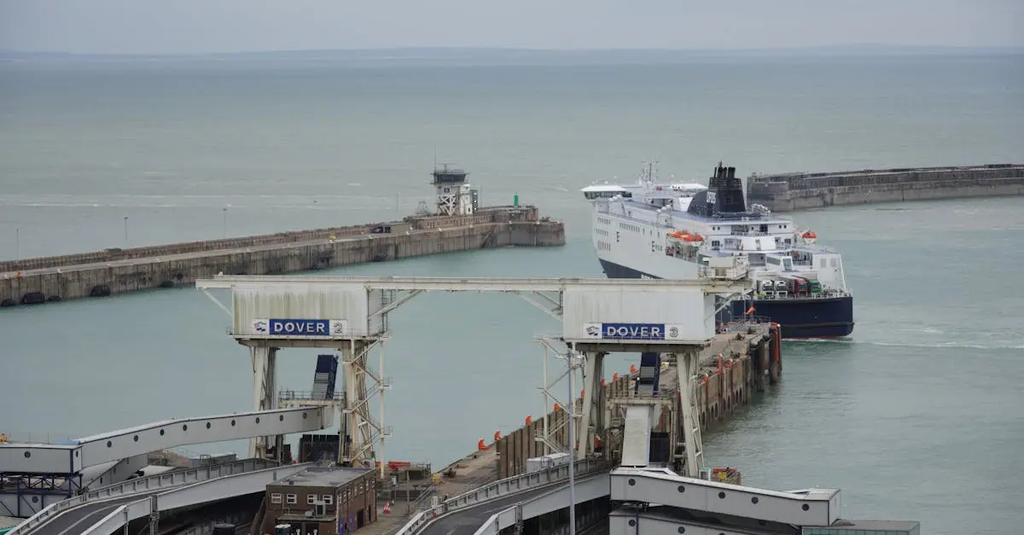
The UK’s port infrastructure is extensive, featuring major deep-water ports such as Felixstowe, Southampton, and Liverpool that handle significant cargo and passenger traffic. Complementing these are numerous regional ports and terminals. The ferry networks connect the UK’s mainland with its islands, Ireland, and continental Europe, providing vital transport links for people, vehicles, and goods. Modernization efforts focus on efficiency, security, and environmental sustainability across these interconnected systems.
Port infrastructure and ferry networks of the UK
The UK’s port infrastructure is extensive, featuring major deep-water ports such as Felixstowe, Southampton, and Liverpool that handle significant cargo and passenger traffic. Complementing these are numerous regional ports and terminals. The ferry networks connect the UK’s mainland with its islands, Ireland, and continental Europe, providing vital transport links for people, vehicles, and goods. Modernization efforts focus on efficiency, security, and environmental sustainability across these interconnected systems.
💡 Key Takeaways
- Identify major UK deep-water ports (Felixstowe, Southampton, Liverpool) and their roles in cargo and passenger traffic.
- Explain how regional ports and terminals support the national supply chain alongside major hubs.
- Describe how the UK ferry network connects the mainland with its islands and supports transport and tourism.
- Distinguish between cargo-focused port infrastructure and passenger ferry services, and how they interrelate.
❓ Frequently Asked Questions
What is a deep-water port and why are the UK’s major ports like Felixstowe, Southampton, and Liverpool considered deep-water ports?
A deep-water port can accommodate large ships by maintaining deep harbor depths and wide channels, enabling efficient handling of container ships and cargo.
What distinguishes cargo ports from passenger or ferry terminals?
Cargo ports handle goods with cranes, warehouses and container facilities; passenger/ferry terminals focus on boarding, passenger services and vehicle transfers; many ports handle both.
What role do regional ports and terminals play in the UK’s port network?
They support local trade, connect regions to inland transport, alleviate congestion at major hubs, and provide jobs.
How do ferry networks connect the UK with its islands and why are they important?
Ferries operate routes between the mainland and islands, carrying passengers, vehicles and goods, and are essential for mobility, tourism, and regional economies.