Portrait Photography Basics involves understanding how to capture the personality and mood of a subject using camera techniques, lighting, and composition. Key skills include selecting appropriate backgrounds, directing poses, and using natural or artificial light to highlight features. Mastery of camera settings, such as aperture and focus, ensures sharp and expressive images. These foundational skills are essential for creating impactful and visually appealing portraits in visual arts and design.
Portrait Photography Basics
Portrait Photography Basics involves understanding how to capture the personality and mood of a subject using camera techniques, lighting, and composition. Key skills include selecting appropriate backgrounds, directing poses, and using natural or artificial light to highlight features. Mastery of camera settings, such as aperture and focus, ensures sharp and expressive images. These foundational skills are essential for creating impactful and visually appealing portraits in visual arts and design.
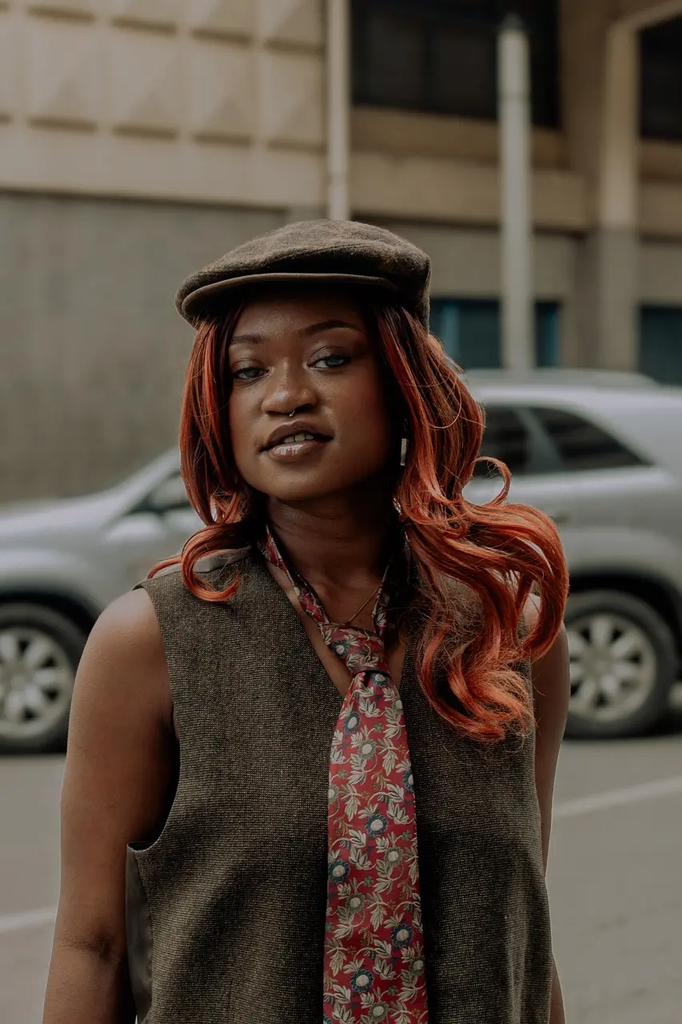
💡 Key Takeaways
- Understand camera settings (aperture, shutter speed, ISO) to control exposure and depth of field in portraits.
- Choose flattering focal lengths and framing to minimize distortion and improve composition.
- Apply lighting basics (natural light, reflectors, and soft vs. hard light) to create flattering, well-lit portraits.
- Master posing, composition, and focus techniques (eye focus and background separation) for engaging portraits.
❓ Frequently Asked Questions
What is depth of field and how does aperture affect it in portraits?
Depth of field is the range in sharp focus. A wide aperture (low f-number, e.g., f/2.8) gives a shallow DOF that blurs the background and isolates the subject; a smaller aperture (e.g., f/4–f/8) increases background sharpness.
What focal lengths are commonly used for portraits and why?
Classic portrait lengths are 85–135 mm (on full-frame). They provide flattering perspective and natural background compression; longer lenses reduce facial distortion and help separate the subject from the background, especially on cropped sensors.
Where should you focus for a sharp portrait?
Focus on the eyes, ideally the closest eye to the camera. Use single-point AF or eye-detect if available to keep the eyes sharp.
What lighting setup works well for portraits?
Use soft, directional light such as window light or a diffused off-camera flash. Position the main light around 45 degrees to the subject, and use a reflector or fill light to soften shadows.
What is white balance and why does it matter for portraits?
White balance matches the color temperature of the light. Correct WB prevents color casts on skin; choose a preset or custom setting (e.g., daylight, shade, tungsten) that matches your lighting.