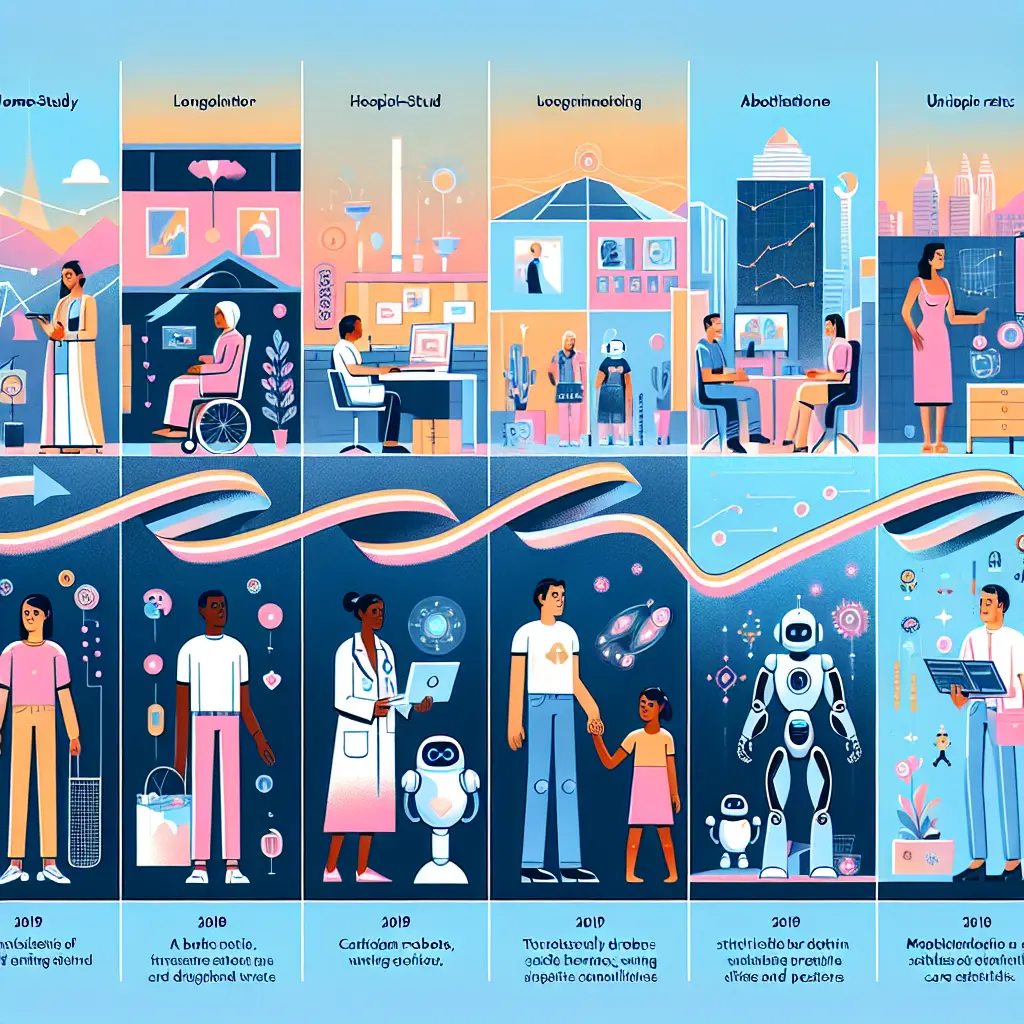
Post-deployment monitoring and drift detection for harms refers to the ongoing process of observing a system after it has been launched to ensure it continues to operate safely and as intended. This involves tracking its performance, identifying any deviations or “drifts” from expected behavior, and detecting emerging risks or negative impacts. The goal is to promptly address issues such as bias, malfunction, or unintended consequences, thereby maintaining the system’s integrity and minimizing potential harms.
Post-deployment monitoring and drift detection for harms
Post-deployment monitoring and drift detection for harms refers to the ongoing process of observing a system after it has been launched to ensure it continues to operate safely and as intended. This involves tracking its performance, identifying any deviations or “drifts” from expected behavior, and detecting emerging risks or negative impacts. The goal is to promptly address issues such as bias, malfunction, or unintended consequences, thereby maintaining the system’s integrity and minimizing potential harms.
💡 Key Takeaways
- Understand post-deployment monitoring and why ongoing observation helps prevent harms in AI systems.
- Recognize drift types like data drift and concept drift and how they can change outcomes over time.
- Identify monitoring signals and metrics for harms, including subgroup performance gaps, fairness indicators, safety incidents, and user feedback.
- Learn a drift-detection workflow: collect data, evaluate performance, set alerts, escalate to governance, and implement remediation (retraining, updates, or containment).
❓ Frequently Asked Questions
What is post-deployment monitoring in AI systems?
A continuous process after launch to ensure the system stays safe, effective, and aligned with its intended use; it tracks performance, safety signals, and user impact, and triggers fixes when issues arise.
What is drift in AI, and why does it matter for harms?
Drift is when data or the relationship between inputs and outputs changes over time, causing the model to behave differently; detecting drift helps prevent harms such as biased outcomes or unsafe behavior.
What types of drift should you monitor after deployment?
Data drift (changes in input data distribution), concept drift (changes in input-output relationships), and operational drift (changes in how the system is used or maintained).
How can you implement post-deployment monitoring for harms?
Define metrics for safety, fairness, and impact; set thresholds and alerts; maintain logs and audits; implement governance, human review, and an incident response plan.
How do ethics and societal risk perspectives shape drift detection?
They guide which harms to guard against, require fairness and accountability metrics, involve diverse stakeholders, and ensure transparency and regulatory compliance in monitoring and response.