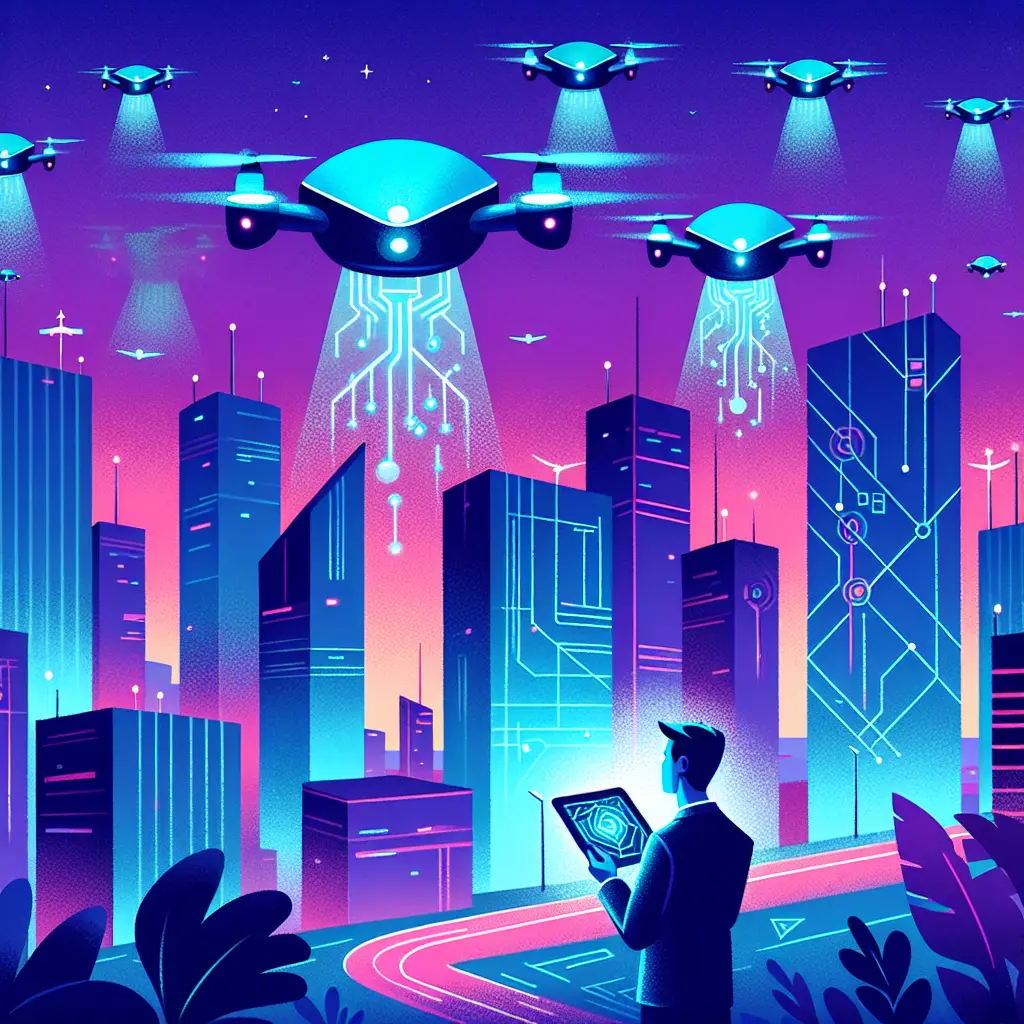
Post-scarcity economies are theoretical systems where resources, goods, and services are abundant due to advanced technology, eliminating material scarcity. Replicators, often depicted in science fiction, are devices capable of creating any item on demand by rearranging matter at the molecular or atomic level. Together, they envision a society where basic needs are effortlessly met, reducing or removing economic constraints, traditional labor, and social inequalities rooted in resource distribution.
Post-Scarcity Economies & Replicators
Post-scarcity economies are theoretical systems where resources, goods, and services are abundant due to advanced technology, eliminating material scarcity. Replicators, often depicted in science fiction, are devices capable of creating any item on demand by rearranging matter at the molecular or atomic level. Together, they envision a society where basic needs are effortlessly met, reducing or removing economic constraints, traditional labor, and social inequalities rooted in resource distribution.
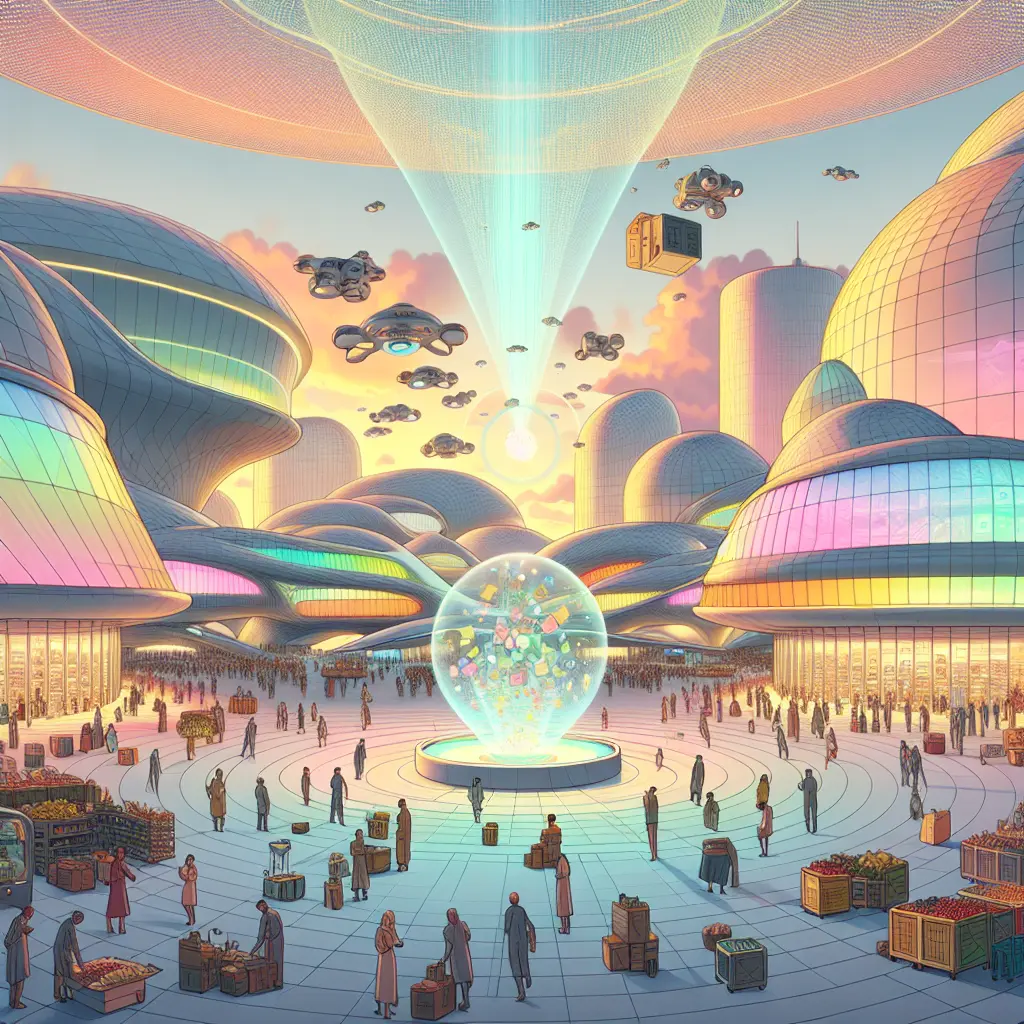
💡 Key Takeaways
- Define post-scarcity economies and how technology creates abundant goods and services.
- Explain replicators as devices that assemble items on demand by rearranging matter at the molecular level.
- Discuss how abundance could change work, money, and social norms in future societies.
- Consider challenges and ethics of replicators, including energy use, governance, and environmental impacts.
❓ Frequently Asked Questions
What is a post-scarcity economy?
An economic system where advanced technology removes material shortages, making most goods and services abundant or freely available. Distribution depends on access and energy rather than scarcity.
What is a replicator in science fiction?
A device that creates items on demand by rearranging matter at the molecular or atomic level, typically using energy and input materials to assemble objects.
How might a post-scarcity world affect work and pricing?
Basic goods become inexpensive or free, shifting value toward design, creativity, services, and governance. Money may focus on access, customization, and intellectual property rather than basic survival goods.
What are common challenges or debates about replicators and post-scarcity?
Issues include who controls the technology, energy and environmental impact, security and misuse, effects on meaning and labor, and how intellectual property and authenticity are managed.