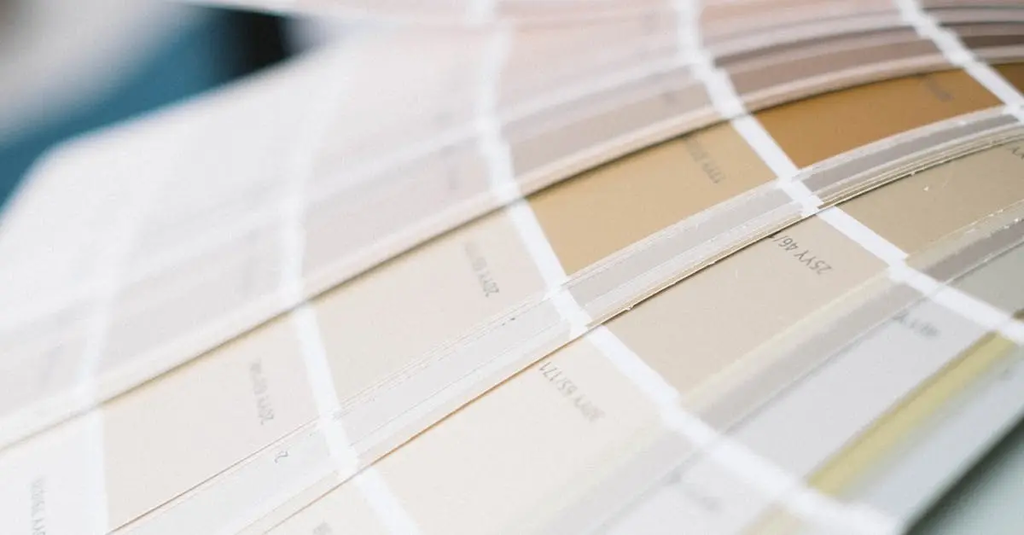
Poster & Layout Design refers to the process of arranging visual elements—such as images, text, and graphics—in an aesthetically pleasing and effective manner to communicate a specific message or promote an event, product, or idea. This skill, rooted in visual arts and design, involves understanding principles like balance, hierarchy, color theory, and typography to create eye-catching and impactful posters that engage viewers and convey information clearly.
Poster & Layout Design+50
Poster & Layout Design refers to the process of arranging visual elements—such as images, text, and graphics—in an aesthetically pleasing and effective manner to communicate a specific message or promote an event, product, or idea. This skill, rooted in visual arts and design, involves understanding principles like balance, hierarchy, color theory, and typography to create eye-catching and impactful posters that engage viewers and convey information clearly.

💡 Key Takeaways
- Grasp visual hierarchy and how to guide attention on a poster.
- Use grid systems and alignment techniques for clean, balanced layouts.
- Select typography and color schemes for readability and visual impact.
- Prepare print-ready posters with proper sizes, margins, DPI, and export formats.
❓ Frequently Asked Questions
What is the purpose of a poster layout?
To communicate a clear message quickly to viewers from a distance, using strong visuals, concise text, and a clear hierarchy.
What is a grid system and why is it used in poster design?
A grid provides structure and alignment, helping you place elements consistently and balance text and imagery for readability.
How do you ensure readability and legibility of text on a poster?
Use high contrast, large headlines, legible fonts, limit font families, and set appropriate line length and spacing so text is readable from a distance.
What is visual hierarchy and how can you create it in a poster?
Visual hierarchy guides the viewer’s eye to the most important information first using size, weight, color, position, and white space.
What print considerations should you keep in mind when designing a poster?
Include bleed and safe margins, work at high resolution (300 DPI or higher), use CMYK color mode, and export a print-ready PDF.