Poster typography and hierarchy refer to the strategic arrangement and styling of text on a poster to guide viewers’ attention and communicate messages effectively. Typography involves selecting appropriate fonts, sizes, and spacing to enhance readability and visual appeal. Hierarchy establishes the order of importance among textual elements, ensuring headlines, subheadings, and body text are easily distinguishable. Mastering these skills is essential in visual arts and design to create engaging, clear, and impactful posters.
Poster Typography & Hierarchy
Poster typography and hierarchy refer to the strategic arrangement and styling of text on a poster to guide viewers’ attention and communicate messages effectively. Typography involves selecting appropriate fonts, sizes, and spacing to enhance readability and visual appeal. Hierarchy establishes the order of importance among textual elements, ensuring headlines, subheadings, and body text are easily distinguishable. Mastering these skills is essential in visual arts and design to create engaging, clear, and impactful posters.
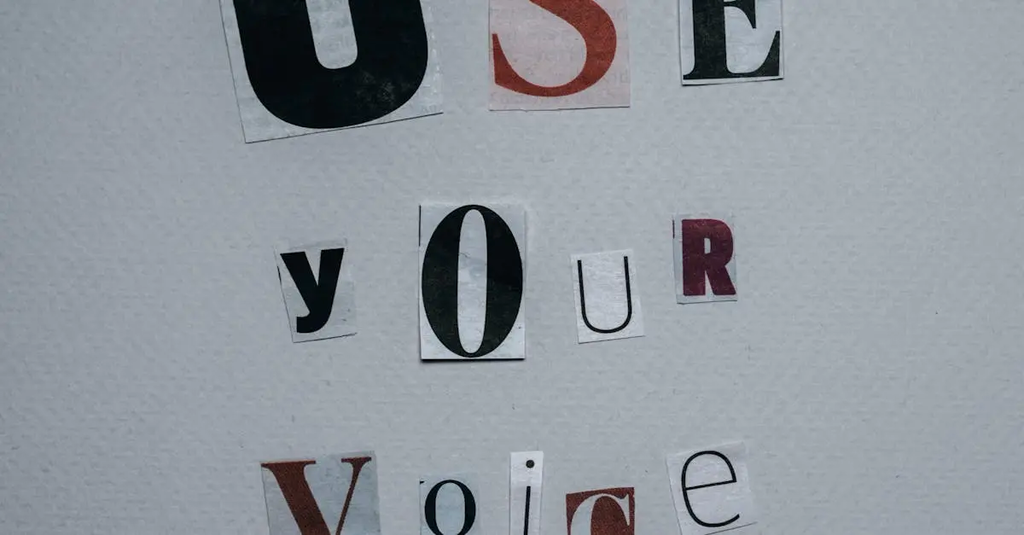
💡 Key Takeaways
- Explain how typography and hierarchy guide attention on a poster.
- Use font size, weight, and contrast to establish a clear headline-subhead-body hierarchy.
- Choose readable typefaces and effective pairings for posters.
- Create clean layouts with grid, alignment, and spacing to organize content.
- Optimize color, white space, and contrast for legibility and visual impact.
❓ Frequently Asked Questions
What is poster typography?
Typography in poster design is the art and technique of selecting fonts, sizes, spacing, and alignment to communicate the message clearly and set the poster's tone.
What is visual hierarchy and why is it important on a poster?
Visual hierarchy is the order in which information is read. It uses size, weight, color, and placement to guide attention from the most important element (the headline) to supporting details.
How do font size, weight, and contrast establish hierarchy?
Wield larger sizes, bolder weights, and higher contrast for primary information; use smaller, lighter styles for secondary text to create a clear reading order.
What are practical tips for choosing fonts and layout on posters?
Limit to 2–3 typefaces, pair a bold display font with a readable body font, use a grid to align elements, and ensure high contrast for readability from a distance.