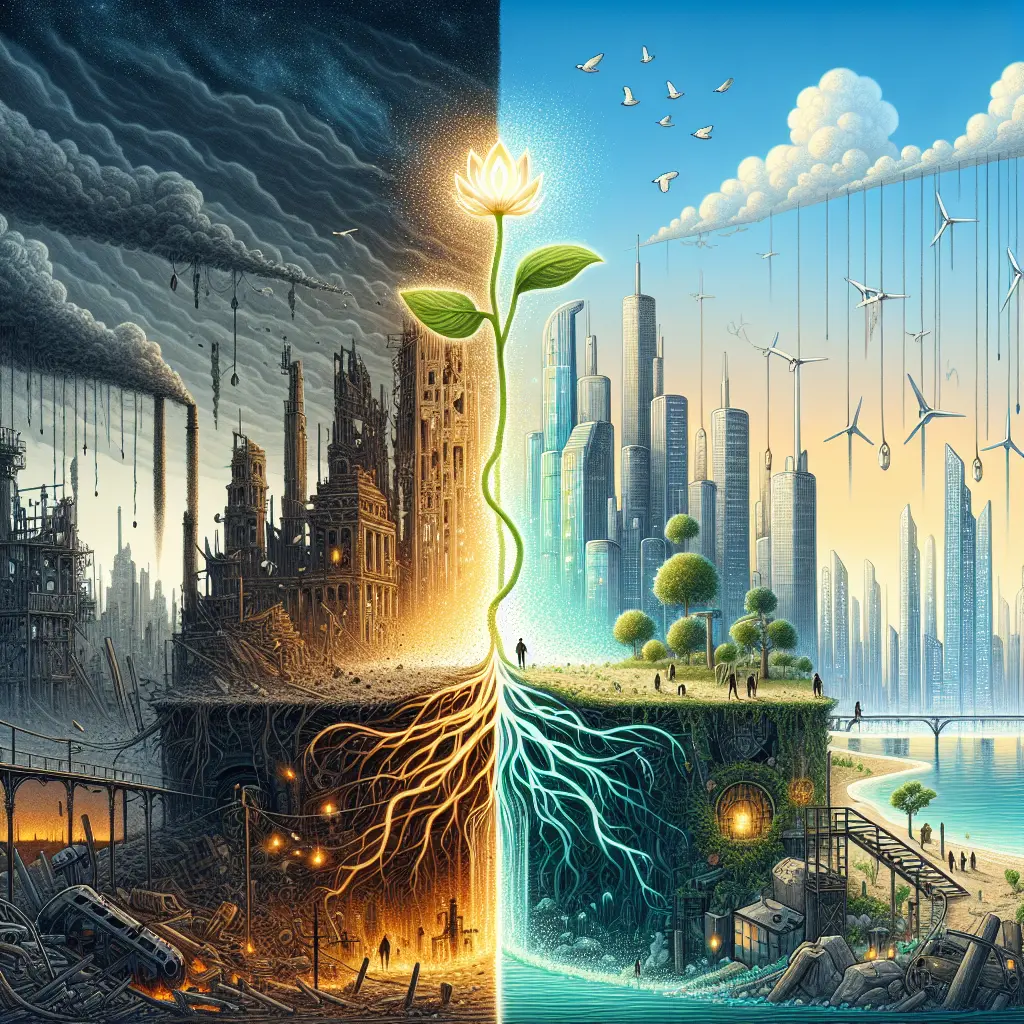
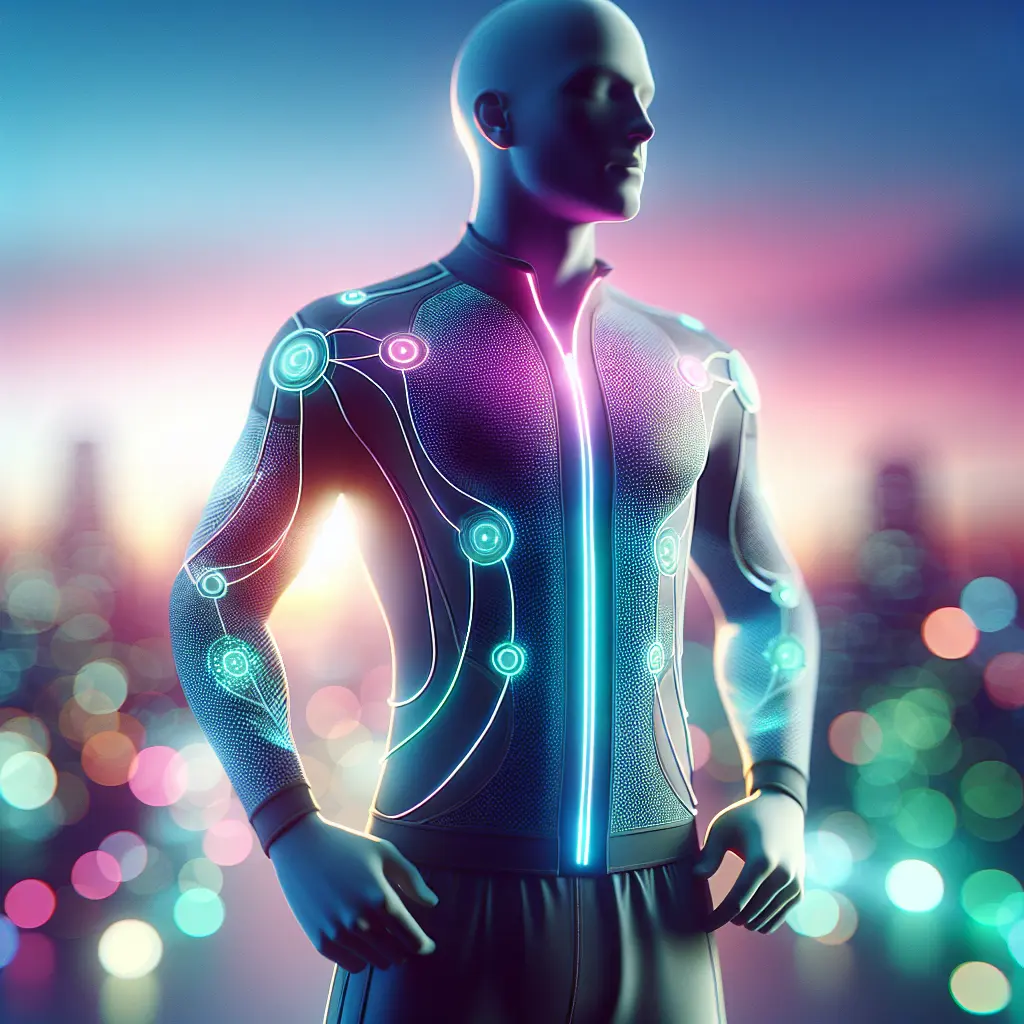
Posthuman societies refer to future communities where humans coexist with or are integrated with advanced technologies, artificial intelligence, or enhanced biological forms. In such societies, traditional notions of rights expand to include not only humans but also sentient machines, artificial intelligences, and genetically modified beings. This raises complex ethical and legal questions about personhood, equality, autonomy, and the extension of rights and responsibilities beyond conventional human boundaries.
Posthuman Societies & Rights
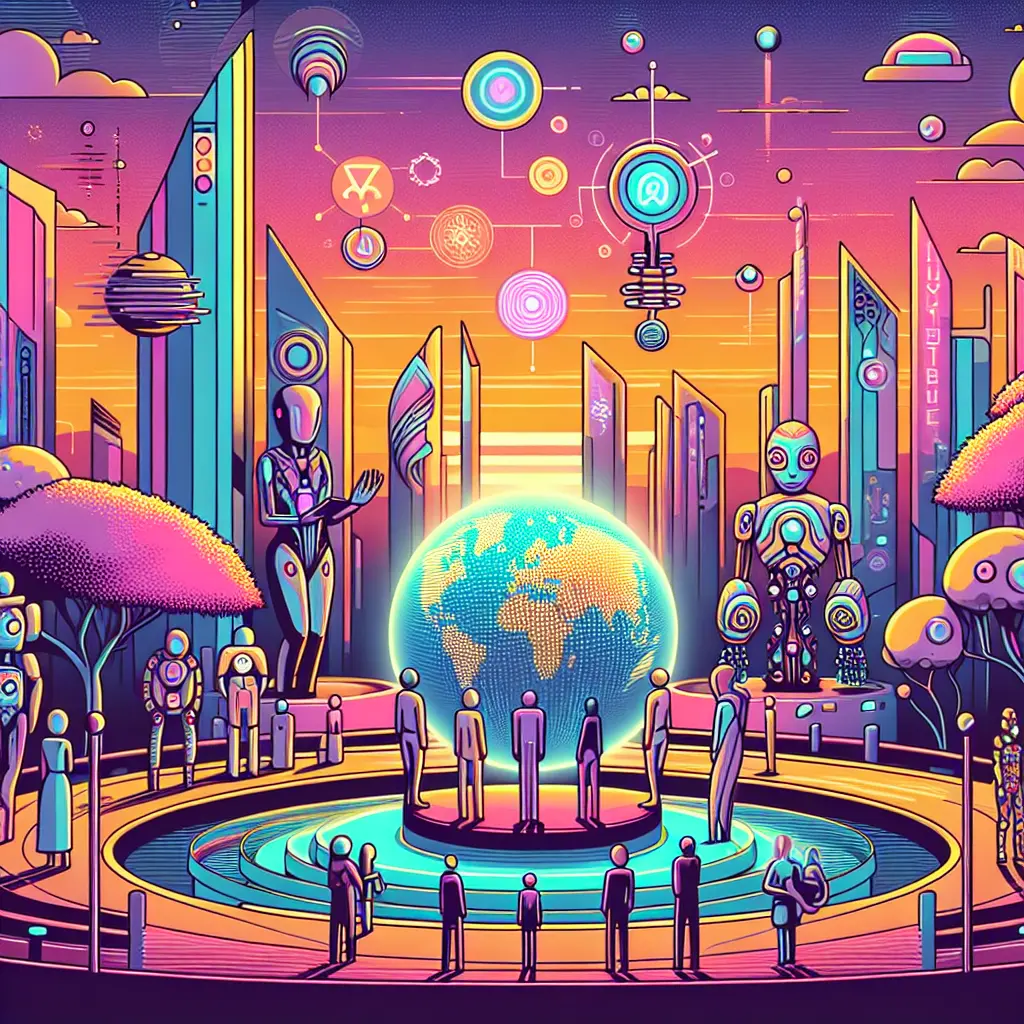
Posthuman societies refer to future communities where humans coexist with or are integrated with advanced technologies, artificial intelligence, or enhanced biological forms. In such societies, traditional notions of rights expand to include not only humans but also sentient machines, artificial intelligences, and genetically modified beings. This raises complex ethical and legal questions about personhood, equality, autonomy, and the extension of rights and responsibilities beyond conventional human boundaries.
💡 Key Takeaways
- Understand how posthuman futures redefine rights to include sentient machines and enhanced beings
- Compare human-centric rights with expanded frameworks for non-human agents
- Explore governance, citizenship, and accountability in AI-integrated societies
- Analyze social justice and inequality among humans, machines, and augmented populations
- Examine concepts of autonomy, personhood, and consent in non-biological agents
❓ Frequently Asked Questions
What is a posthuman society?
A future community where humans coexist with or are enhanced by advanced technologies, artificial intelligence, or biological enhancements.
Who might be entitled to rights in posthuman futures?
Not only humans, but also sentient machines and other artificial beings that demonstrate consciousness or autonomy.
What qualifies a non-human for rights—what is 'sentience'?
Sentience means the capacity to have experiences, preferences, or feelings; in this context, it can justify granting protections or personhood to certain beings.
How could governance adapt to posthuman rights?
Through new legal categories (e.g., digital personhood), dedicated oversight or ethics bodies, clear accountability for creators/operators, and robust privacy and consent rules for intelligent systems.