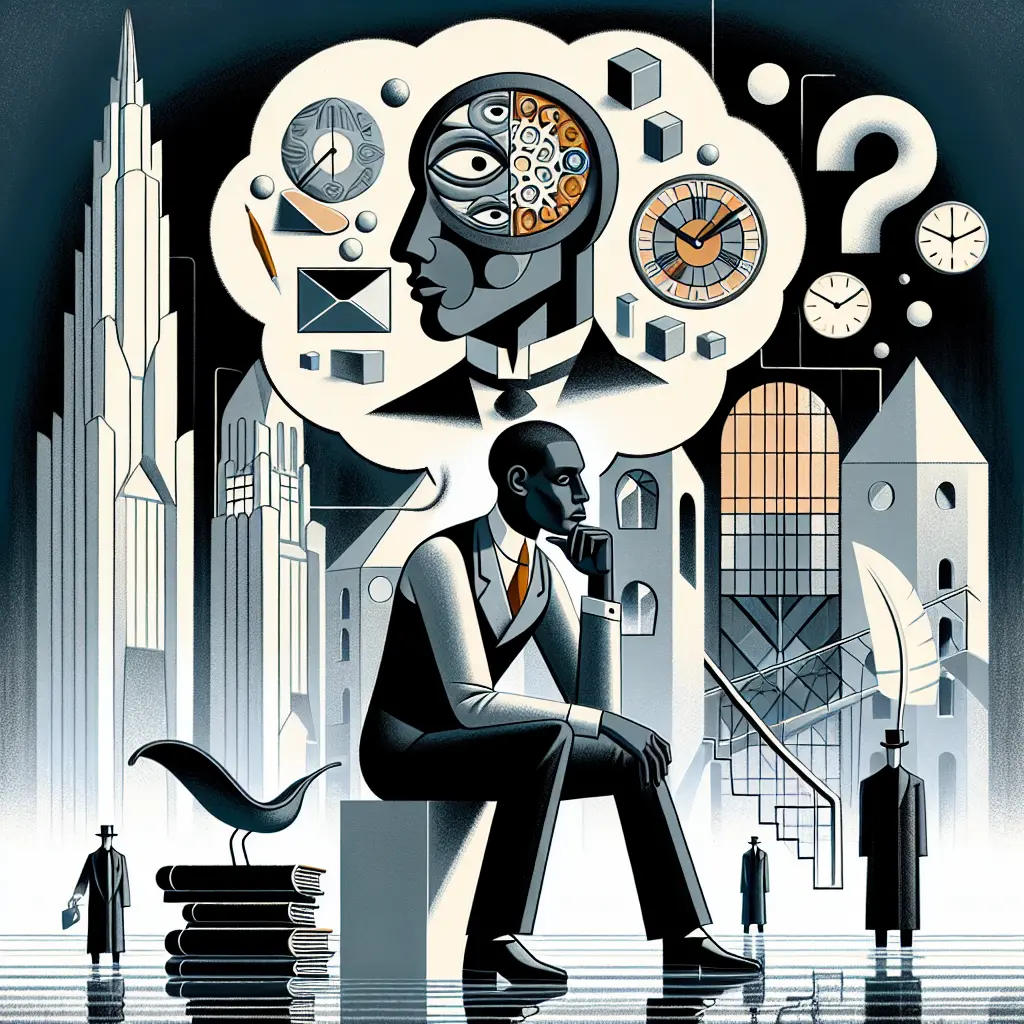
Postmodern British literature refers to works produced in Britain from the mid-20th century onwards that challenge traditional narratives and literary conventions. Characterized by fragmentation, metafiction, irony, and playful language, this literature often questions reality, identity, and authority. Writers like Angela Carter, Julian Barnes, and Salman Rushdie employ intertextuality, pastiche, and non-linear storytelling to blur boundaries between fiction and reality, reflecting the complexities and uncertainties of contemporary life.
Postmodern British literature
Postmodern British literature refers to works produced in Britain from the mid-20th century onwards that challenge traditional narratives and literary conventions. Characterized by fragmentation, metafiction, irony, and playful language, this literature often questions reality, identity, and authority. Writers like Angela Carter, Julian Barnes, and Salman Rushdie employ intertextuality, pastiche, and non-linear storytelling to blur boundaries between fiction and reality, reflecting the complexities and uncertainties of contemporary life.

💡 Key Takeaways
- Identify hallmark features of postmodern British literature: fragmentation, metafiction, irony, and playful language.
- Understand metafiction as self-referential storytelling that highlights the author's role and reader engagement.
- See how irony and parody critique traditional narratives and literary authority.
- Explore how these works question reality and identity within a British cultural context.
❓ Frequently Asked Questions
What is Postmodern British literature?
Postmodern British literature refers to works produced in Britain from the mid-20th century onward that challenge traditional narratives and literary conventions, often using experimental forms, self-reflexivity, and irony.
What does metafiction mean in postmodern writing?
Metafiction is writing that draws attention to its own status as a created work, often by acknowledging the author, narrator, or readers.
What are common features of postmodern British literature?
Common features include fragmentation or non-linear structure, irony, playful or experimental language, metafiction, and intertextual references that question reality and identity.
What themes do these works typically explore?
Themes often include reality vs. representation, questions of identity, and skepticism toward traditional authorities or grand narratives.
How can you recognize a postmodern British work in a quiz?
Look for self-reflexive narration, fragmented plots, ironic tone, unconventional structures, and explorations of truth, language, and power.