Potty training is the process of teaching young children how to use the toilet for urination and bowel movements instead of diapers. It typically involves guiding the child to recognize bodily signals, encouraging them to use the toilet, and providing positive reinforcement for success. This developmental milestone often requires patience and consistency from caregivers, as children learn at their own pace and may experience occasional accidents before becoming fully trained.
Potty Training
Potty training is the process of teaching young children how to use the toilet for urination and bowel movements instead of diapers. It typically involves guiding the child to recognize bodily signals, encouraging them to use the toilet, and providing positive reinforcement for success. This developmental milestone often requires patience and consistency from caregivers, as children learn at their own pace and may experience occasional accidents before becoming fully trained.
💡 Key Takeaways
- Recognize readiness cues and bodily signals that show a child is ready for potty training.
- Establish a simple routine with regular potty breaks and clear steps.
- Use positive reinforcement and calm handling of accidents to support confidence.
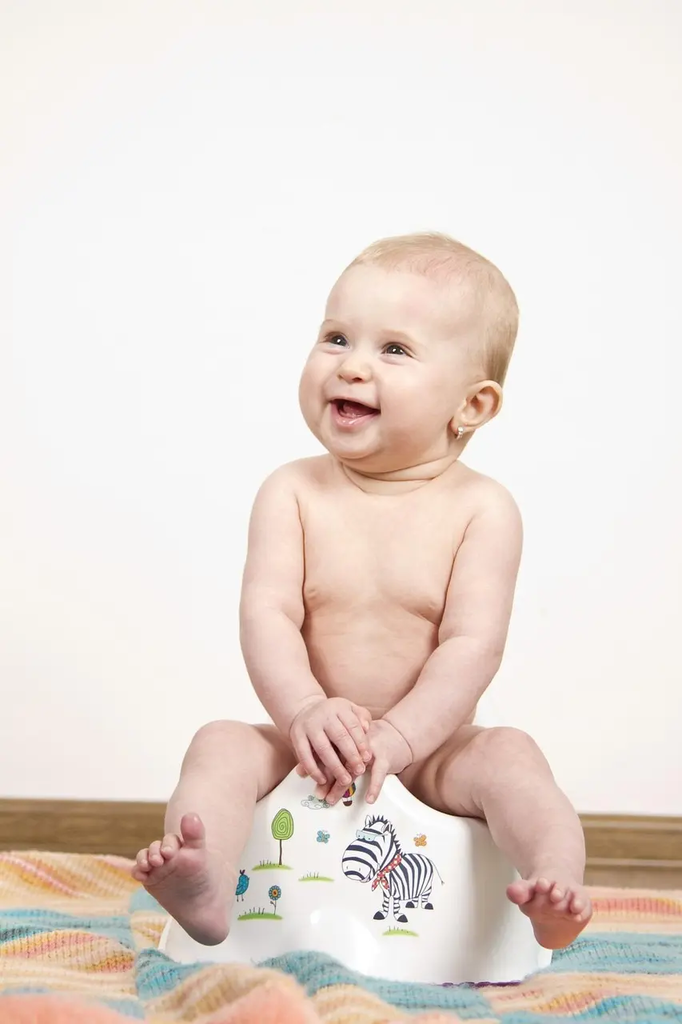
- Choose child-friendly tools and clothing to make potty use easier (potty seat, stool, easy-to-remove clothes).
❓ Frequently Asked Questions
What is potty training?
Potty training teaches a child to use the toilet for urination and bowel movements, helps them recognize bodily signals, and uses positive reinforcement for success.
When is a typical time to start potty training?
Readiness varies, but many children start between 18 and 36 months. Signs include staying dry longer, showing interest in the toilet, and following simple instructions.
What strategies help a child learn to use the toilet?
Establish a simple routine, provide a child-friendly toilet or seat, use clear language, celebrate successes with praise, and keep training calm and positive.
How should parents handle accidents or setbacks?
Stay calm, avoid punishment or shaming, reassure the child, and continue with consistent practice and routines.
What supplies can support potty training?
A child-sized toilet or seat, a sturdy step stool, easy-to-remove clothing, underwear or training pants, and wipes for quick cleanups.