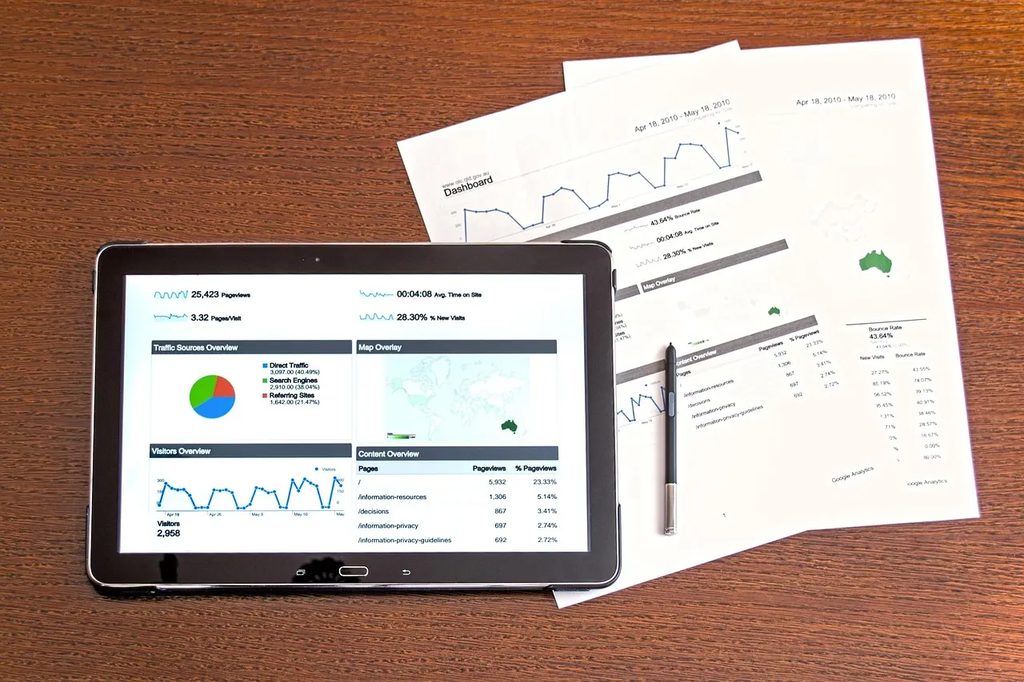
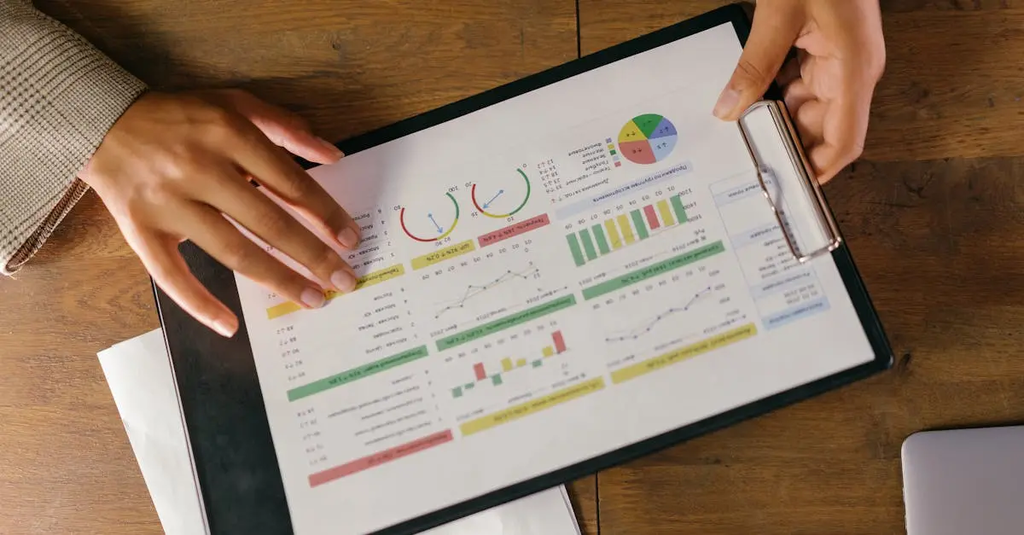
Power BI Dashboards for Construction Analytics are digital tools that visualize and analyze construction data, enabling stakeholders to monitor project performance, costs, timelines, and resource allocation in real time. By integrating various data sources, these dashboards provide actionable insights, support informed decision-making, and enhance project transparency. They streamline reporting processes, identify trends or issues early, and ultimately improve efficiency and productivity within construction projects through interactive and customizable visual applications.
Power BI Dashboards for Construction Analytics
Power BI Dashboards for Construction Analytics are digital tools that visualize and analyze construction data, enabling stakeholders to monitor project performance, costs, timelines, and resource allocation in real time. By integrating various data sources, these dashboards provide actionable insights, support informed decision-making, and enhance project transparency. They streamline reporting processes, identify trends or issues early, and ultimately improve efficiency and productivity within construction projects through interactive and customizable visual applications.

💡 Key Takeaways
- Understand how to design Power BI dashboards to monitor construction KPIs like cost, schedule, safety, and productivity.
- Learn to connect and model data from common construction tools (Procore, Primavera P6, PlanGrid) in Power BI.
- Create interactive visuals with drill-throughs to analyze project performance at site, project, and portfolio levels.
- Build earned value management (EVM) metrics and forecast trends to predict cost and schedule outcomes.
- Set up alerts and standardized templates to share real-time construction analytics with stakeholders.
❓ Frequently Asked Questions
What is the purpose of using Power BI dashboards in construction analytics?
To visualize key project data (cost, schedule, resources, safety) in a single view, enabling quick insights and data‑driven decisions.
What data sources are commonly connected in construction dashboards?
ERP/accounting systems, BIM or project schedules, timesheets, field reports, spreadsheets, and equipment or weather data.
Which KPIs are essential for construction dashboards?
Cost variance (CV), Schedule variance (SV), Earned Value (EV), Cost Performance Index (CPI), Schedule Performance Index (SPI), and safety or productivity metrics.
How can Power BI dashboards support risk management and decision making?
By showing trend analysis, alerts, and what‑if scenarios that highlight potential overruns or delays and guide mitigations.
What practices help ensure quality and security of dashboards?
Use clean, validated data; maintain a single source of truth; apply row‑level security; schedule regular data refreshes; and document data definitions.