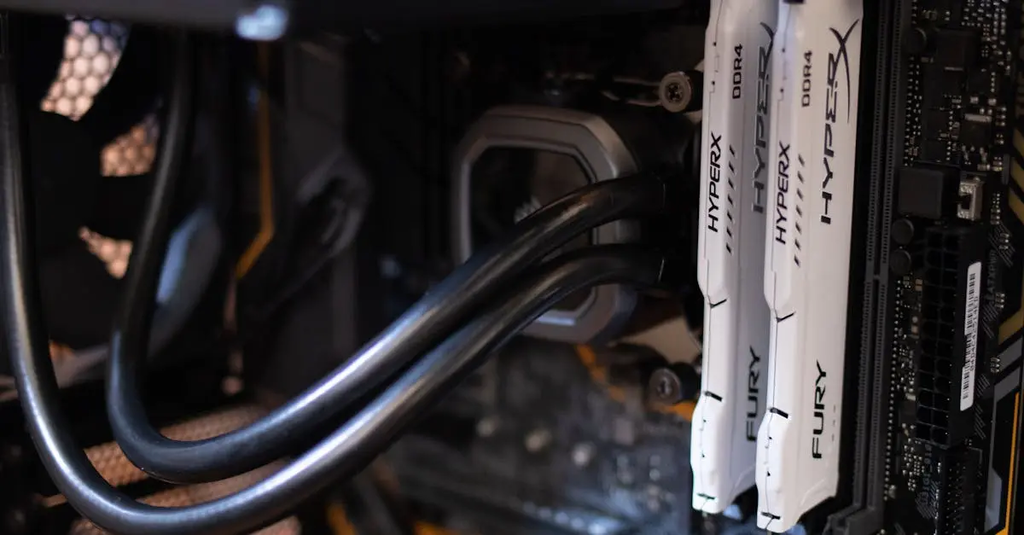
Power, energy, and efficiency are fundamental concepts in telecommunications and signal transmission. Power refers to the rate at which electrical energy is transferred or converted, typically measured in watts. Energy is the total amount of work done or transmitted over time, measured in joules. Efficiency describes how effectively input power is converted into useful output, often expressed as a percentage. In telecoms, optimizing these factors ensures reliable signal transmission and reduces energy loss.
Power, Energy, and Efficiency Basics+50
Power, energy, and efficiency are fundamental concepts in telecommunications and signal transmission. Power refers to the rate at which electrical energy is transferred or converted, typically measured in watts. Energy is the total amount of work done or transmitted over time, measured in joules. Efficiency describes how effectively input power is converted into useful output, often expressed as a percentage. In telecoms, optimizing these factors ensures reliable signal transmission and reduces energy loss.

💡 Key Takeaways
- Define power, energy, and efficiency and their common units (watts, joules, kilowatt-hours).
- Grasp E = P × t and how energy consumption scales with time at a constant power.
- Learn how to calculate efficiency and interpret it as the ratio of useful output to total input (expressed as a percentage).
- Apply these concepts to everyday devices to compare energy use and identify practical ways to save energy.
❓ Frequently Asked Questions
What is power?
Power is the rate at which energy is transferred or used. It tells you how quickly energy is consumed and is measured in watts (W). One watt equals one joule per second.
What is energy?
Energy is the capacity to do work. It is measured in joules (J); for electrical energy used over time, kilowatt-hours (kWh) are common (1 kWh = 3.6 MJ; 1 kWh = 1000 W for 1 hour).
How are power, energy, and time connected?
Energy = Power × Time. If you know any two, you can find the third. Example: a 100 W bulb for 5 hours uses 0.5 kWh.
What does efficiency mean?
Efficiency is the ratio of useful output to total input, expressed as a percentage. Efficiency = (useful output / total input) × 100%. Higher efficiency means less energy is wasted.