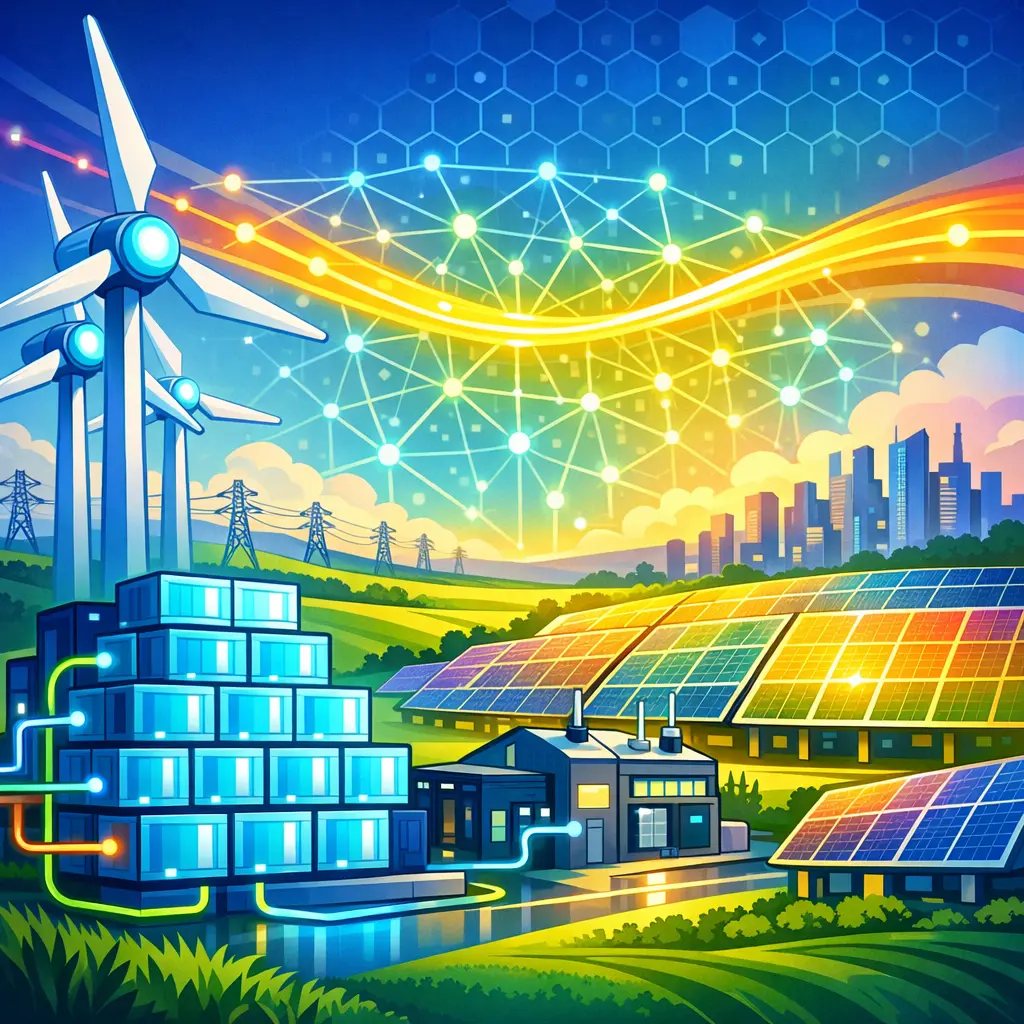
Power Generation, Storage & Grid Modernization in engineering and technology careers involves designing, developing, and maintaining systems that produce and store electrical energy, such as solar plants, wind farms, batteries, and smart grids. Professionals in this field work to improve energy efficiency, integrate renewable sources, enhance grid reliability, and implement advanced technologies to meet growing energy demands while supporting sustainability and environmental goals. This sector is crucial for the transition to cleaner, smarter energy infrastructure.
Power Generation, Storage & Grid Modernization
Power Generation, Storage & Grid Modernization in engineering and technology careers involves designing, developing, and maintaining systems that produce and store electrical energy, such as solar plants, wind farms, batteries, and smart grids. Professionals in this field work to improve energy efficiency, integrate renewable sources, enhance grid reliability, and implement advanced technologies to meet growing energy demands while supporting sustainability and environmental goals. This sector is crucial for the transition to cleaner, smarter energy infrastructure.
💡 Key Takeaways
- Understand the main ways electricity is generated and how each method affects cost, reliability, and the environment.
- Learn how energy storage (batteries, pumped hydro, and thermal storage) helps balance supply and demand and enables more renewables.
- Explore grid modernization concepts (smart grids, sensors, automation) and how they improve reliability, resilience, and efficiency.
- Recognize the challenges of integrating more renewable energy and how storage and grid upgrades address them.
❓ Frequently Asked Questions
What is grid modernization?
Grid modernization upgrades transmission and distribution networks with advanced sensors, communications, controls, and data analytics to improve reliability, resilience, and efficiency while enabling more renewables and storage.
What are the main power generation sources used today?
Common sources include fossil fuels (coal, natural gas), nuclear, hydro, and renewables (solar, wind, geothermal, biomass); the mix varies by region and policy.
What is energy storage and why is it important?
Energy storage stores electricity for later use (e.g., batteries, pumped hydro, compressed air) to balance supply and demand, smooth renewable variability, and improve grid reliability.
How does energy storage support grid reliability?
Storage absorbs excess generation during low demand, releases energy during high demand or when renewables are intermittent, and helps with frequency regulation and congestion relief.
What is a smart grid and why is it important?
A smart grid uses digital sensors, two-way communication, and automated controls to manage electricity flow more efficiently, improve reliability, and enable features like demand response and distributed generation.