Power systems such as solar arrays, radioisotope thermoelectric generators (RTGs), and fuel cells are crucial for providing energy to spacecraft and remote installations. Solar arrays convert sunlight into electricity, making them ideal for missions near the Sun. RTGs generate power from the heat of decaying radioactive materials, supporting long-duration missions far from the Sun. Fuel cells produce electricity through chemical reactions, offering reliable, on-demand power for various applications.
Power Systems: Solar Arrays, RTGs, and Fuel Cells
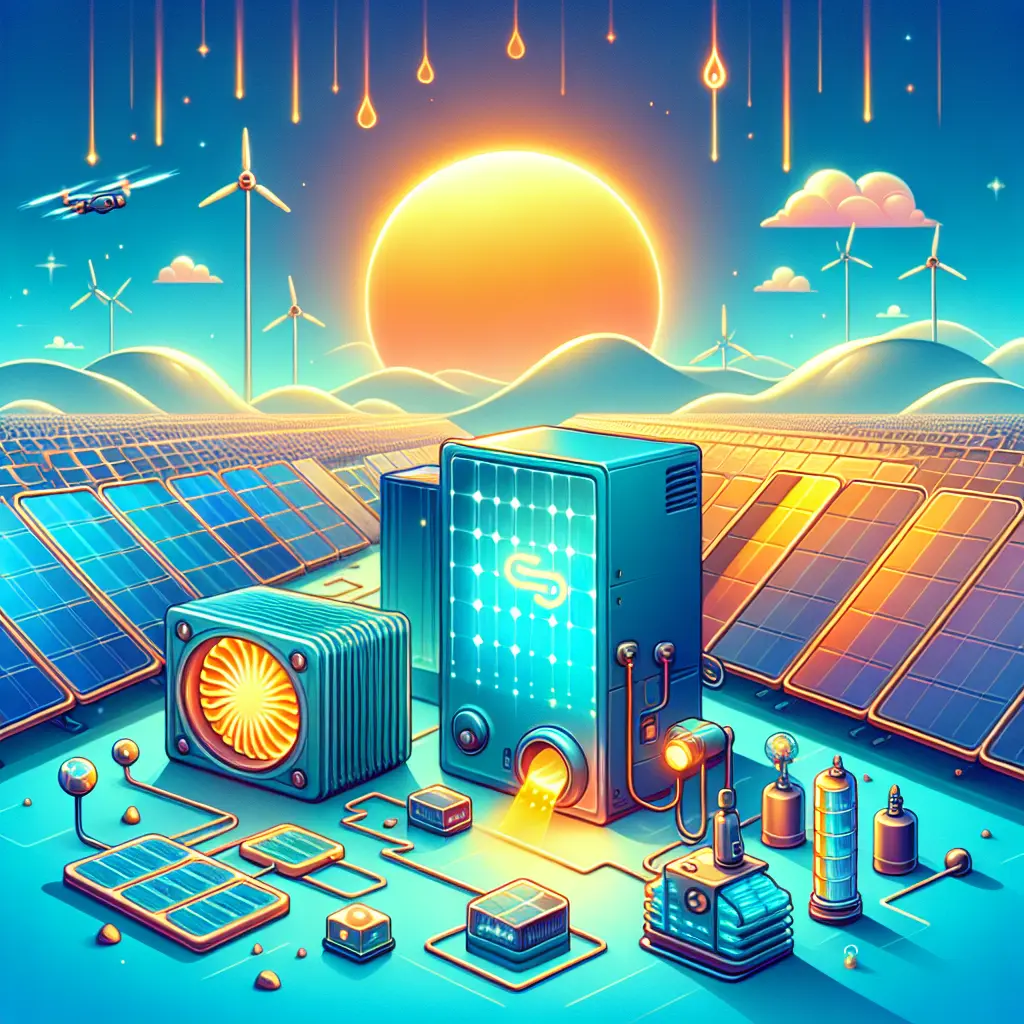
Power systems such as solar arrays, radioisotope thermoelectric generators (RTGs), and fuel cells are crucial for providing energy to spacecraft and remote installations. Solar arrays convert sunlight into electricity, making them ideal for missions near the Sun. RTGs generate power from the heat of decaying radioactive materials, supporting long-duration missions far from the Sun. Fuel cells produce electricity through chemical reactions, offering reliable, on-demand power for various applications.
💡 Key Takeaways
- Understand how solar arrays convert sunlight into electricity and why they're ideal for missions near the Sun.
- Learn how RTGs generate power from radioactive decay heat and why they are suited for long-duration missions with limited sunlight.
- Understand how fuel cells convert chemical energy from reactants into electricity and where they are used in space and remote installations.
- Compare solar, RTG, and fuel-cell power systems in terms of reliability, lifetime, mass, efficiency, and energy storage needs to guide mission choices.
❓ Frequently Asked Questions
What are the main power systems covered in Power Systems: Solar Arrays, RTGs, and Fuel Cells?
The article discusses solar arrays that convert sunlight to electricity, RTGs that generate power from heat produced by radioactive decay, and fuel cells that produce electricity from chemical reactions.
How do solar arrays generate electricity?
Photovoltaic cells convert light into direct current electricity, which is then conditioned and stored for spacecraft use. They work best with direct sunlight.
What is an RTG and why is it used?
An RTG uses heat from radioactive decay to generate electricity, typically via thermoelectric converters. It provides long-lasting power without sunlight, suitable for distant or shadowed missions.
What is a fuel cell and when is it advantageous?
A fuel cell converts chemical energy from a fuel and an oxidizer into electricity, often with water as a byproduct. It can be efficient and quiet but requires a steady supply of reactants.
Why are multiple power systems used for space missions?
Different environments and mission durations require different sources: solar for near-Sun missions, RTGs for long-lived power far from the Sun or in shade, and fuel cells for high-efficiency needs when reactants are available.