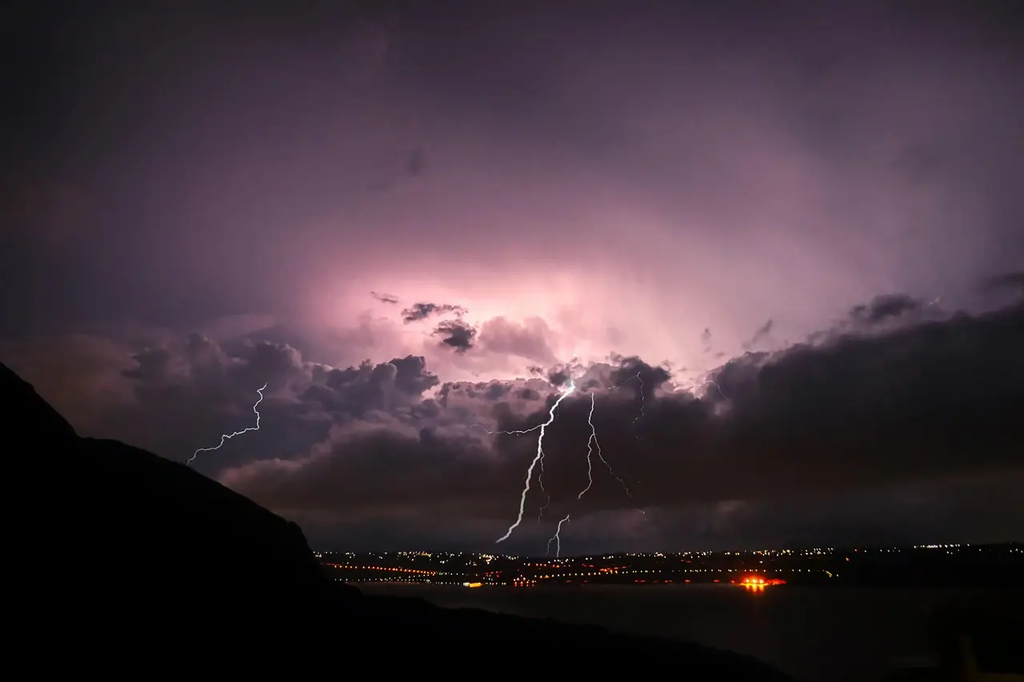
Precipitation types refer to the various forms in which water falls from the atmosphere to the Earth's surface. The main types include rain, snow, sleet, and hail. Rain consists of liquid water droplets, while snow forms as ice crystals. Sleet occurs when raindrops freeze into small ice pellets before reaching the ground. Hail is made of layered balls of ice, typically produced during strong thunderstorms. Each type depends on atmospheric temperature and humidity conditions.
Precipitation Types+50
Precipitation types refer to the various forms in which water falls from the atmosphere to the Earth's surface. The main types include rain, snow, sleet, and hail. Rain consists of liquid water droplets, while snow forms as ice crystals. Sleet occurs when raindrops freeze into small ice pellets before reaching the ground. Hail is made of layered balls of ice, typically produced during strong thunderstorms. Each type depends on atmospheric temperature and humidity conditions.

💡 Key Takeaways
- Identify the four main precipitation types (rain, snow, sleet, hail) and how they form.
- Explain how air temperature and moisture conditions determine which type of precipitation occurs.
- Differentiate rain vs. snow, and sleet vs. hail in terms of appearance and formation processes.
- Understand how precipitation types affect weather forecasts, planning, and daily life.
❓ Frequently Asked Questions
What are the main precipitation types?
The main forms are rain, snow, sleet, and hail. Rain is liquid droplets; snow forms as ice crystals; sleet is raindrops that freeze into small ice pellets before reaching the ground; hail is ice pellets that grow inside strong thunderstorm updrafts.
How does rain form?
Moist air rises and clouds grow; water droplets combine and grow until they are too heavy to be suspended, then they fall as rain.
How does snow form?
In subfreezing conditions, water vapor deposits directly into ice crystals in clouds, which develop into snowflakes that reach the ground as snow.
What is sleet and how is it formed?
Sleet forms when raindrops fall through a layer of freezing air and solidify into small ice pellets before reaching the ground.
What is hail and how is it formed?
Hail forms inside strong thunderstorms where updrafts lift water droplets upward, freezing them into layered ice pellets that grow and eventually fall to the surface.