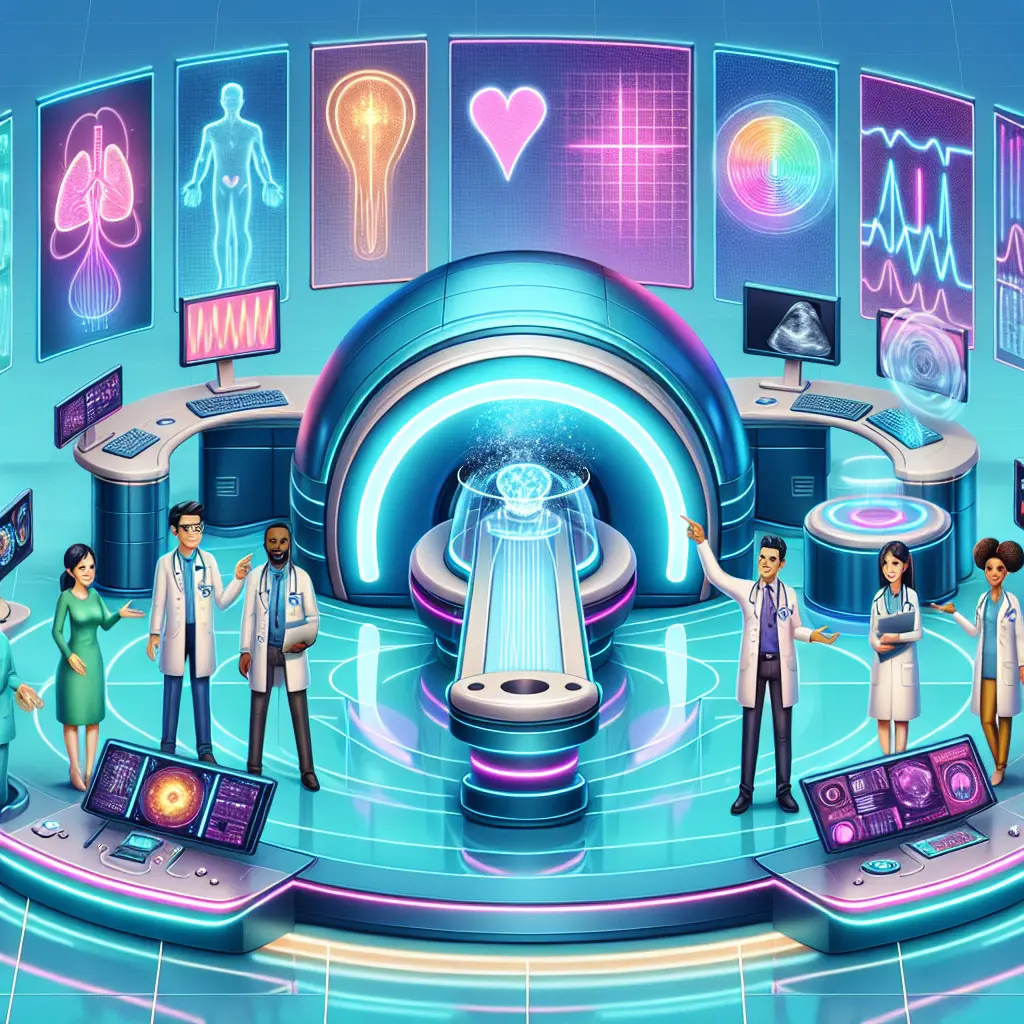
Precision Health & Personalized Care Programs are healthcare approaches that use individual patient data—such as genetics, lifestyle, and environment—to tailor prevention, diagnosis, and treatment strategies. These programs aim to move beyond one-size-fits-all medicine, offering treatments and interventions that are more effective and safer for each person. By leveraging advanced technologies and data analysis, they improve health outcomes and patient satisfaction while potentially reducing healthcare costs.
Precision Health & Personalized Care Programs
Precision Health & Personalized Care Programs are healthcare approaches that use individual patient data—such as genetics, lifestyle, and environment—to tailor prevention, diagnosis, and treatment strategies. These programs aim to move beyond one-size-fits-all medicine, offering treatments and interventions that are more effective and safer for each person. By leveraging advanced technologies and data analysis, they improve health outcomes and patient satisfaction while potentially reducing healthcare costs.
💡 Key Takeaways
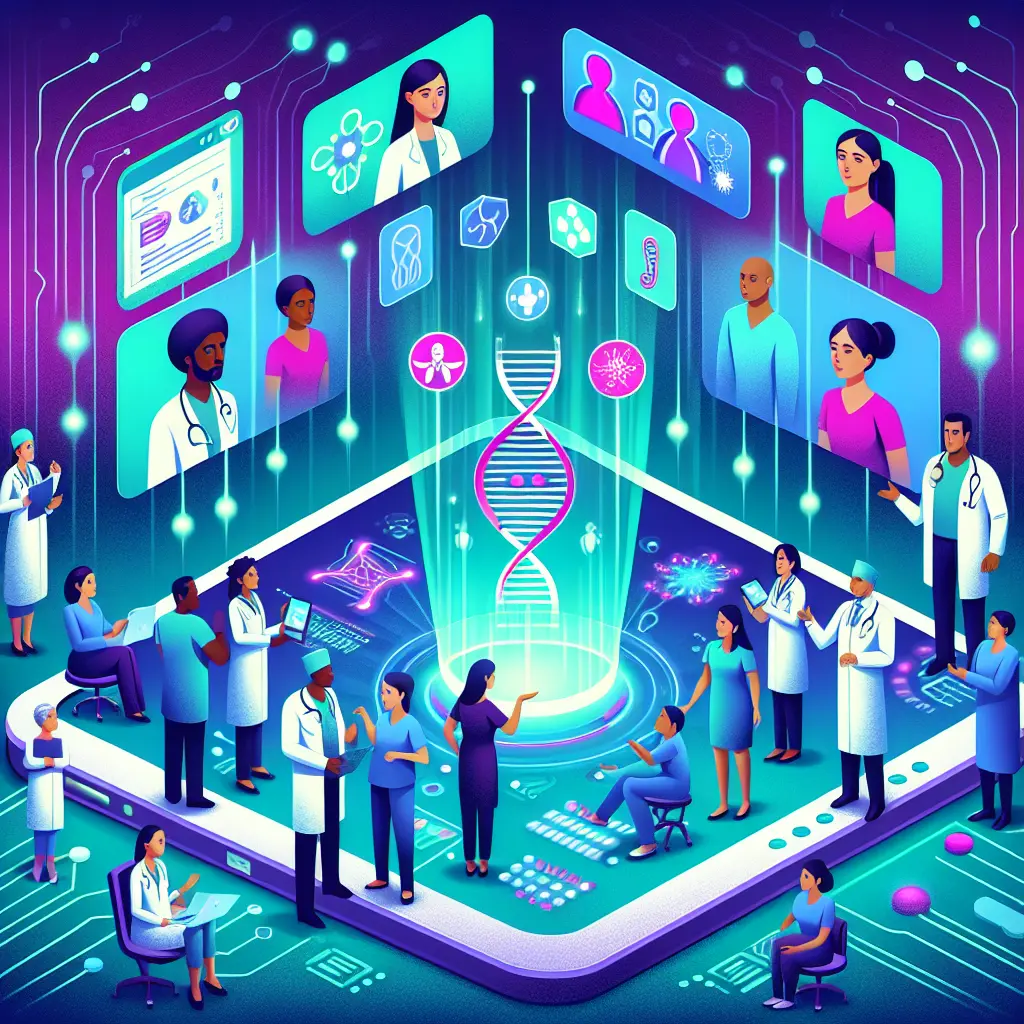
- Understand how precision health uses genetics, lifestyle, and environment to tailor prevention, diagnosis, and treatment.
- Learn how personal data informs customized care plans, moving beyond generic medicine.
- Compare the benefits and challenges of personalized care, including effectiveness, safety, access, and cost.
- Explore ethical, privacy, and equity considerations in collecting and using health data for precision health programs.
❓ Frequently Asked Questions
What is precision health and personalized care?
It uses detailed individual data (genetics, lifestyle, environment) to tailor prevention, diagnosis, and treatment to the person rather than the average patient.
What kinds of data are used in precision health?
Genetic tests, biomarker profiles, medical history, lifestyle and environmental data from wearables, imaging results, and other health records are integrated to guide decisions.
How is it different from traditional medicine?
Traditional care relies on population-based guidelines; precision health uses individual data to predict risk and select targeted interventions and dosages for better effectiveness and fewer side effects.
Who can participate and is it available to everyone?
Access varies by region and provider; participation often requires consent and screening; costs or insurance coverage may apply, and not all conditions have precision-based options.
What are privacy and ethical considerations?
Handling sensitive data requires consent and strong security; concerns include privacy, potential discrimination, and data sharing, with clinicians aiming for transparency and minimal necessary data use.