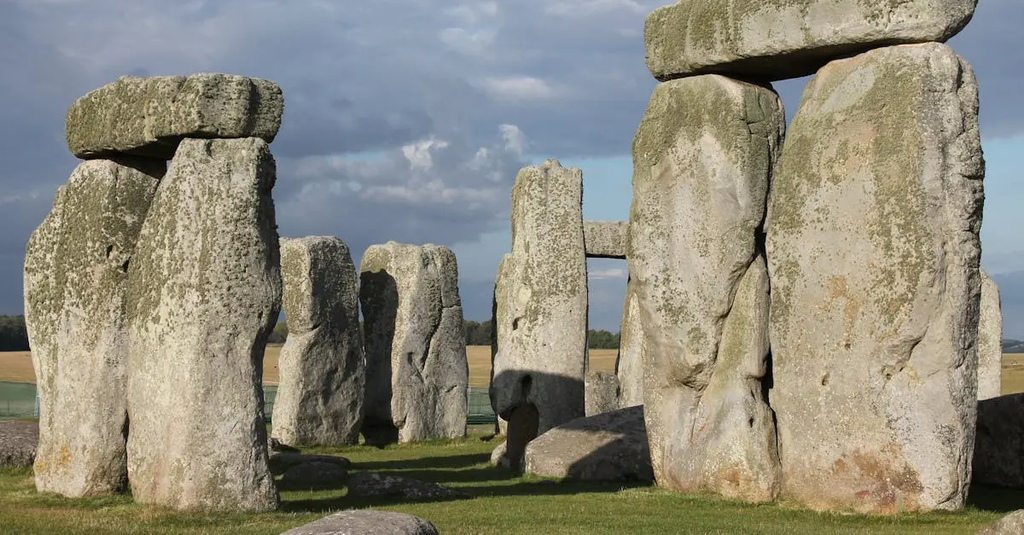
Prehistoric Britain refers to the period before written records, marked by the Stone, Bronze, and Iron Ages, when early inhabitants built monuments like Stonehenge and lived in tribal societies. The Roman conquest began in AD 43, led by Emperor Claudius, bringing advanced infrastructure, roads, towns, and new cultural influences. Roman rule transformed Britain’s society, economy, and landscape, integrating it into the Roman Empire until the early fifth century.
Prehistoric Britain and Roman conquest overview
Prehistoric Britain refers to the period before written records, marked by the Stone, Bronze, and Iron Ages, when early inhabitants built monuments like Stonehenge and lived in tribal societies. The Roman conquest began in AD 43, led by Emperor Claudius, bringing advanced infrastructure, roads, towns, and new cultural influences. Roman rule transformed Britain’s society, economy, and landscape, integrating it into the Roman Empire until the early fifth century.
💡 Key Takeaways
- Identify the major phases of prehistoric Britain (Stone, Bronze, and Iron Ages) and what each era reveals about early life.
- Recognize key monuments and sites from prehistoric Britain, such as Stonehenge, and what they tell us about beliefs and social organization.
- Explain the Roman conquest of Britain that began in AD 43 under Emperor Claudius and the early changes it brought.
- Describe how Roman rule transformed Britain with infrastructure like roads and towns, and how everyday life and culture adapted.
❓ Frequently Asked Questions
What does 'Prehistoric Britain' refer to?
The period before written records, spanning the Stone Age, Bronze Age, and Iron Age, when people left clues through artefacts and monuments rather than written history.
What are the main prehistoric periods in Britain and a key feature of each?
Stone Age: hunter-gatherers and early monuments; Bronze Age: metalworking and burial monuments; Iron Age: hill forts and expanding farming.
What is Stonehenge and why is it important?
A large megalithic circle built in phases from the late Neolithic to early Bronze Age; likely used for ceremonies and astronomical observations, showing complex social organization.
When did the Roman conquest of Britain begin and who led it?
AD 43, led by Emperor Claudius, which established Roman rule across much of Britain.
What were some effects of Roman rule on Britain’s landscape and towns?
Roman roads, forts, towns and baths changed the landscape; towns often built on grid plans, introducing new architecture, administration, and trade networks.