The Pre-Raphaelites were a group of 19th-century British artists who sought to return to the detail, vibrant colors, and complex compositions found in Italian art before Raphael. Founded in 1848, they rejected the academic standards of their time, emphasizing realism, nature, and themes from literature and mythology. Their work often featured elaborate symbolism and aimed to revive the sincerity and spiritual depth they felt was lacking in contemporary art.
Pre‑Raphaelites
The Pre-Raphaelites were a group of 19th-century British artists who sought to return to the detail, vibrant colors, and complex compositions found in Italian art before Raphael. Founded in 1848, they rejected the academic standards of their time, emphasizing realism, nature, and themes from literature and mythology. Their work often featured elaborate symbolism and aimed to revive the sincerity and spiritual depth they felt was lacking in contemporary art.
💡 Key Takeaways
- Understand the origins and core aims of the Pre‑Raphaelite Brotherhood and their bid to reform painting away from academic standards.
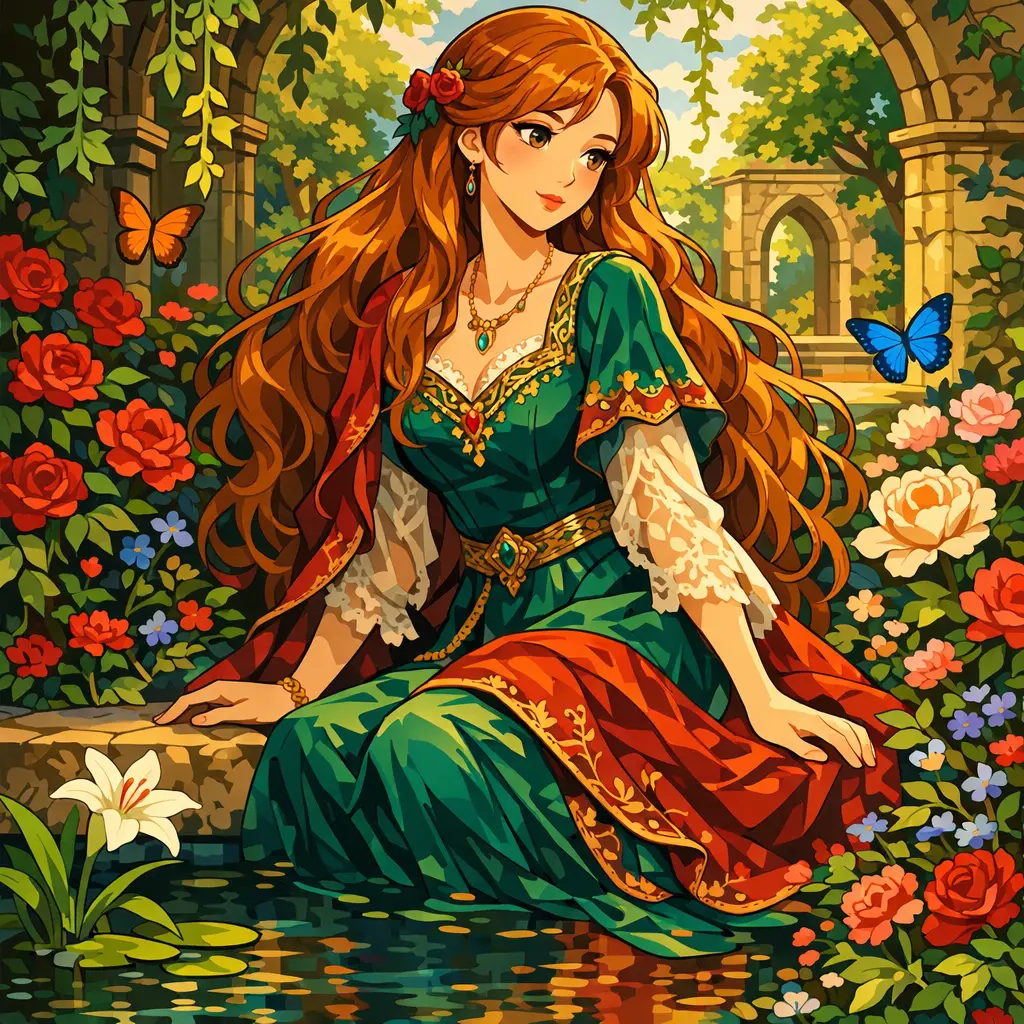
- Identify defining traits such as luminous colors, meticulous detail, close study of nature, and subject matter rooted in medieval, biblical, or romantic themes.
- Name key figures (e.g., Dante Gabriel Rossetti, John Everett Millais, William Holman Hunt) and recognize iconic works like Ophelia and The Light of the World.
- Explore the movement's legacy and its influence on later Victorian art, design, and related movements like Symbolism and Arts & Crafts.
❓ Frequently Asked Questions
What were the Pre-Raphaelite Brotherhood?
A mid-19th-century English art movement (founded in 1848) that sought detailed realism, vivid color, and subjects from literature and nature, rebelling against academic conventions.
When did the Pre-Raphaelites flourish?
Primarily in the 1840s–1860s, with influence continuing into the late 19th century.
What are common features of Pre-Raphaelite art?
Bright, jewel-like colors; exacting detail; faithful study of nature; and medieval, biblical, or literary subjects often with moral or romantic themes.
Who were some key figures in the movement?
Founders: William Holman Hunt, John Everett Millais, and Dante Gabriel Rossetti; later notable members include Edward Burne-Jones and Ford Madox Brown.