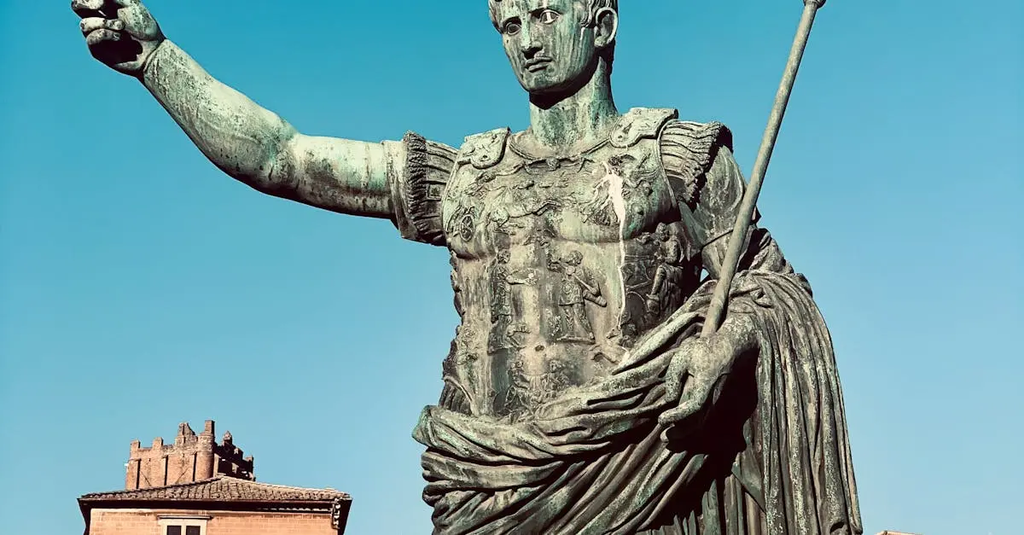
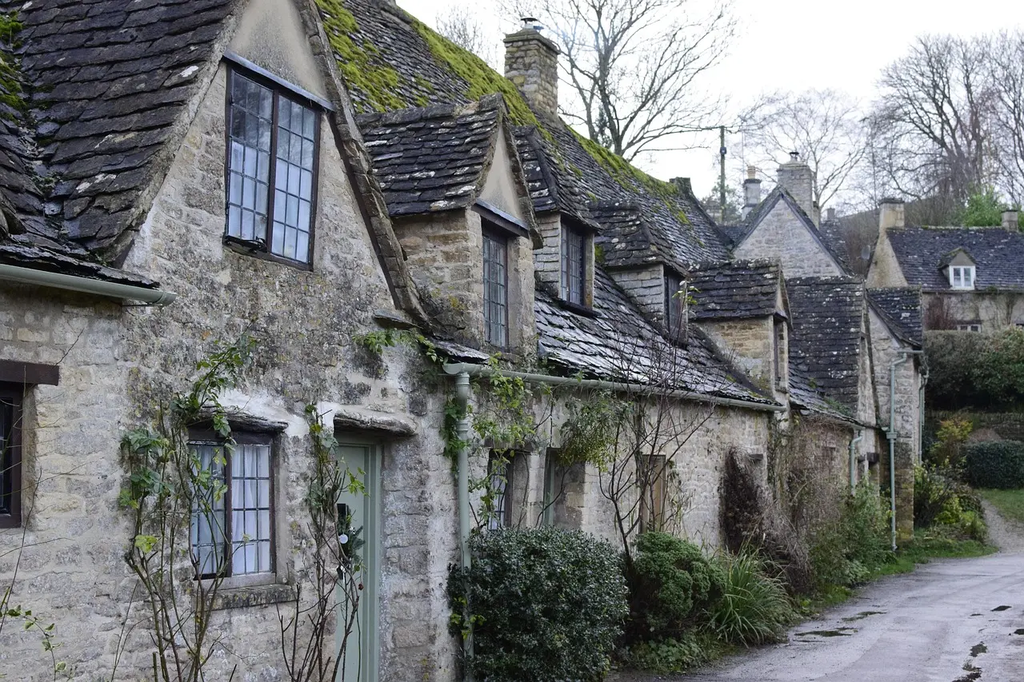
Preservation laws and heritage management refer to legal frameworks and strategies designed to protect, maintain, and manage sites, buildings, artifacts, and traditions of historical, cultural, or architectural significance. These laws establish guidelines for conservation, restoration, and responsible use, ensuring that valuable heritage assets are safeguarded for future generations. Heritage management involves planning, policy-making, and community engagement to balance development needs with the protection of cultural identity and legacy.
Preservation Laws and Heritage Management
Preservation laws and heritage management refer to legal frameworks and strategies designed to protect, maintain, and manage sites, buildings, artifacts, and traditions of historical, cultural, or architectural significance. These laws establish guidelines for conservation, restoration, and responsible use, ensuring that valuable heritage assets are safeguarded for future generations. Heritage management involves planning, policy-making, and community engagement to balance development needs with the protection of cultural identity and legacy.
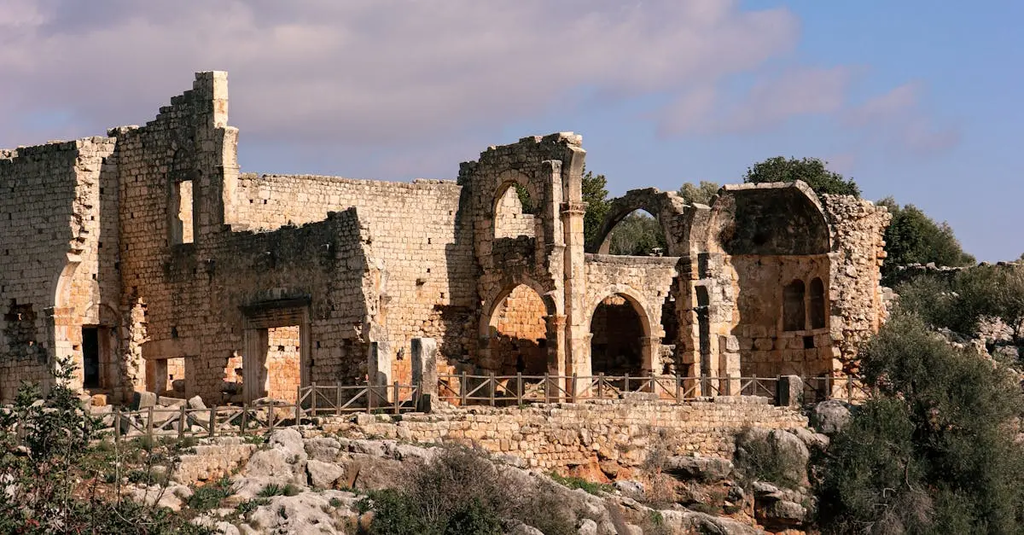
💡 Key Takeaways
- Identify the main preservation laws that protect heritage sites.
- Explain the basics of heritage management planning and conservation goals.
- Recognize stakeholder roles and how to engage communities in preservation.
- Understand typical compliance, permits, and reporting requirements.
❓ Frequently Asked Questions
What are preservation laws?
Legal rules and guidelines that safeguard cultural, historic, and natural resources by regulating access, alterations, and stewardship.
What is heritage management?
A systematic approach to identifying, protecting, preserving, and presenting a community’s cultural and natural assets, often involving policy, funding, and stakeholder participation.
How do preservation laws protect sites and artifacts?
They designate protected status, require permits for work, mandate impact assessments, and enforce penalties for damage or removal.
What is the difference between tangible and intangible heritage in preservation?
Tangible heritage includes physical sites and objects; intangible heritage covers traditions, languages, and knowledge—each needing different preservation methods.