Presidential assassinations and attempts refer to incidents where individuals have tried to kill, or have successfully killed, a sitting president or president-elect. Such events are often politically or ideologically motivated and can have significant impacts on a nation’s stability and history. These acts are typically met with widespread shock, intense investigations, and increased security measures to protect current and future leaders from similar threats.
Presidential Assassinations and Attempts+5
Presidential assassinations and attempts refer to incidents where individuals have tried to kill, or have successfully killed, a sitting president or president-elect. Such events are often politically or ideologically motivated and can have significant impacts on a nation’s stability and history. These acts are typically met with widespread shock, intense investigations, and increased security measures to protect current and future leaders from similar threats.
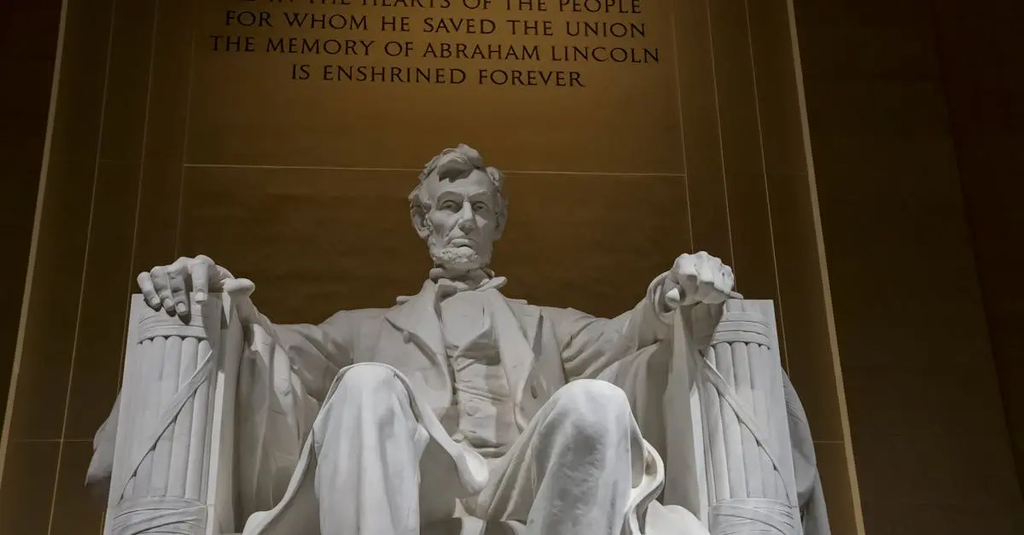
💡 Key Takeaways
- Identify major presidential assassinations and attempts and their historical contexts
- Understand the political and security factors behind these acts and their consequences
- Analyze how assassinations have shaped governance, succession, and national stability
- Differentiate between assassination and attempt, and consider ethical, media, and public memory implications
- Explore changes in security measures and constitutional processes that follow such events
❓ Frequently Asked Questions
What is meant by presidential assassinations and attempts?
An assassination is the killing of a sitting president or president-elect; an attempt is an unsuccessful effort to kill. Both involve political violence and can have lasting historical consequences.
Why have presidential assassinations and attempts mattered in history?
They can alter leadership, shift policy directions, affect national security practices, and change the political climate, sometimes prompting constitutional or organizational reforms.
Who are some well-known examples of assassinations and attempts to illustrate the topic?
Assassinations: Abraham Lincoln (1865), James A. Garfield (1881), William McKinley (1901), John F. Kennedy (1963). Attempts: Ronald Reagan (1981), Gerald Ford (1975).
What safeguards exist to prevent or manage presidential assassinations and ensure continuity of government?
Enhanced protection by the U.S. Secret Service; established rules for presidential succession; continuity of government planning and rapid response protocols.