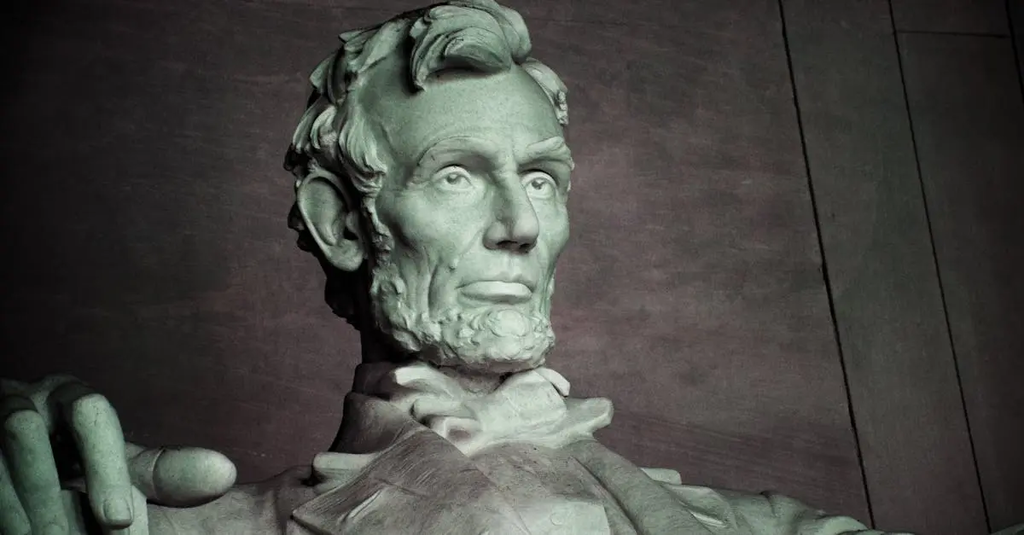
Presidential nicknames are informal or affectionate titles given to U.S. presidents, often reflecting their personalities, physical traits, achievements, or public perceptions. For example, Abraham Lincoln was called "Honest Abe" for his reputation for integrity, while Theodore Roosevelt was known as "Teddy," a diminutive of his first name that became famous due to the teddy bear. These nicknames often originate from political campaigns, the media, or the public and can shape presidential legacies.
Presidential Nicknames and Their Origins+50
Presidential nicknames are informal or affectionate titles given to U.S. presidents, often reflecting their personalities, physical traits, achievements, or public perceptions. For example, Abraham Lincoln was called "Honest Abe" for his reputation for integrity, while Theodore Roosevelt was known as "Teddy," a diminutive of his first name that became famous due to the teddy bear. These nicknames often originate from political campaigns, the media, or the public and can shape presidential legacies.
💡 Key Takeaways
- Understand what presidential nicknames are and why they emerged in U.S. history.
- Identify common sources of nicknames, including personality traits, physical features, achievements, or media portrayal.
- Recognize famous examples and origins, such as Honest Abe for Lincoln, Teddy Roosevelt, and Old Hickory for Andrew Jackson.
- Analyze how nicknames shape public perception and influence the historical memory of presidents.
- Learn how historians verify nickname origins using reliable sources (biographies, newspapers, presidential libraries) and differentiate informal nicknames from official titles.
❓ Frequently Asked Questions
What is a presidential nickname?
An informal label given to a U.S. president, often reflecting personality, leadership style, achievements, or public image; it is not an official title.
How do presidential nicknames develop?
They typically arise from journalists, colleagues, rivals, or the president’s actions and traits, and become common through repeated use in public discourse.
Can you name some famous presidential nicknames and their origins?
Honest Abe (Lincoln) — reputation for integrity; Old Hickory (Jackson) — tough frontier image; The Great Emancipator (Lincoln) — emancipation policies; The Great Communicator (Reagan) — skillful public speaking; Silent Cal (Coolidge) — quiet demeanor; Ike (Eisenhower) — family/friend nickname.
Are presidential nicknames still used today, and what do they imply?
Yes. They reflect public perception and media framing, are unofficial, and can influence how a president is viewed—either positively or negatively.